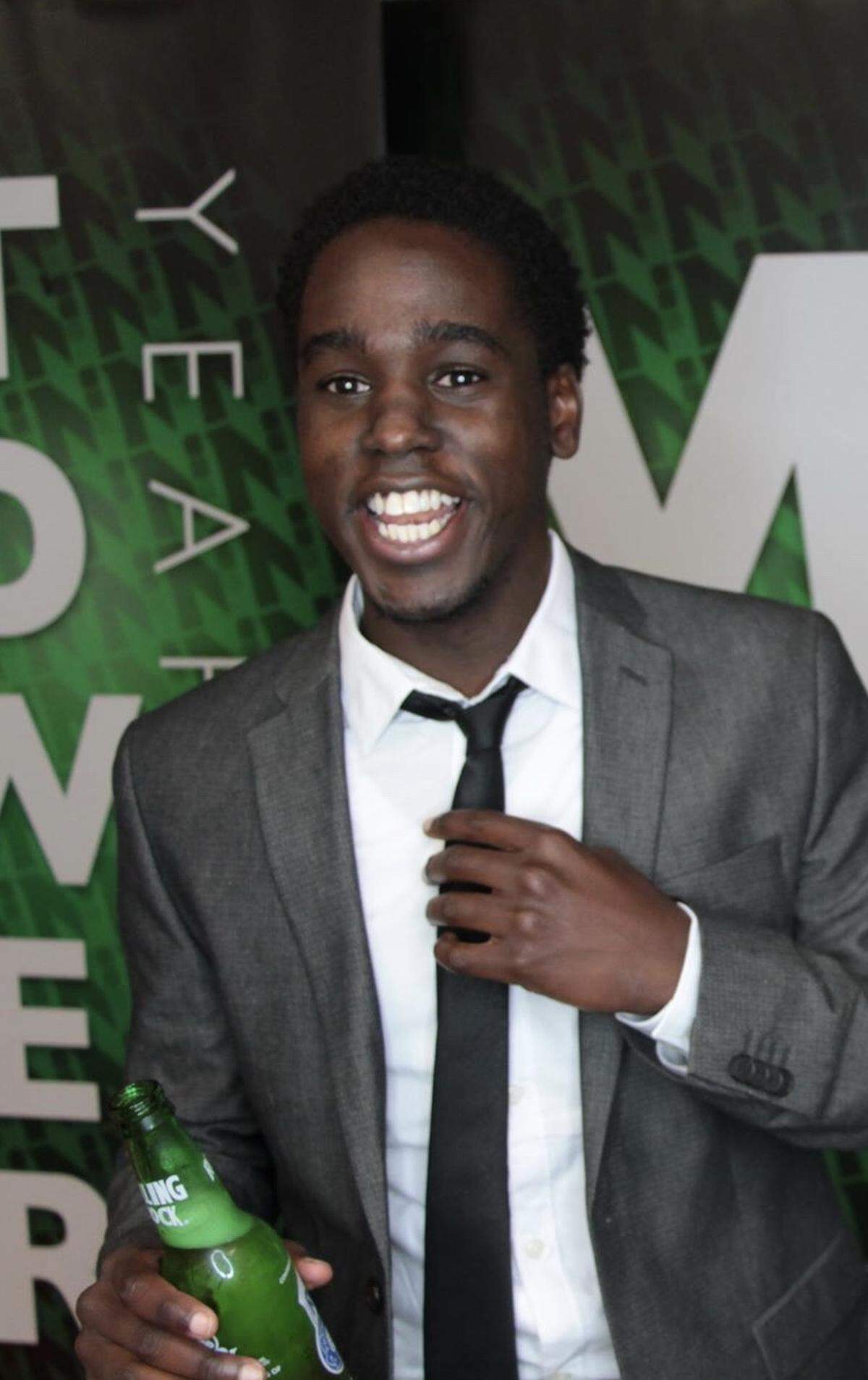
On The Vine: What will our homeland look like?

Hey folks! I’ll be stepping in for this week’s edition of On The Vine. I spend most of my time at The Star covering gun violence as a public health issue. But lately, I’ve also been thinking a lot about that other public health crisis we just can’t seem to escape: COVID-19.
I was lucky enough to get my second dose of the vaccine a few weeks ago. Suddenly, all this tension and stress I didn’t even realize I was carrying was lifted off my shoulders.
I can breathe a little easier now — even if it’s still from behind a mask for the time being.
Yet in all the ways that matter, we’re still far from the finish line. India’s COVID-19 crisis has reached new heights lately and there’s major vaccine shortages in the country. That hits close to home for me — my parents immigrated from India with my three older siblings almost 27 years ago. Most of my extended family still lives there.
I’m missing my cousin’s wedding — we’re less than two weeks apart in age, and would often be mistaken for twins when we were babies (or so our moms tell us). So many of my favorite childhood memories are from my summers in India playing with her, and I’m sad I won’t get to be there for this milestone in her life.
I’m beyond grateful that my cousins and aunts and uncles are all healthy and safe, particularly at a time when so many in India have been suffering. It’s heartbreaking to hear about, all while knowing a vaccine exists and other countries have millions of extra doses. While the world debates the merits of a COVID-19 vaccine patent, and countries decide what to do with their vaccine surplus, people in India continue to die.
I think it would be impossible to fully understand India’s COVID-19 crisis without understanding the sociopolitical backdrop that allowed it to develop. In December of 2019, just a few months before the world shutdown, I visited India after being away for six years. It was my first time back as an adult — I had a new appreciation for the culture; a deeper desire to understand my family’s homeland.
However, there was an undercurrent of worry. Colleges across the country had been shut down and mandatory curfews were imposed as protests broke out across the country. Just days before I arrived in India, Prime Minister Narenda Modi introduced the controversial Citizenship Bill, providing a path to citizenship for migrants of every South Asian religion except Islam.
Years later, Modi’s COVID-19 response has ranged from an initially violently policed crackdown that increased hardship for poor, rural communities to allowing large, religious gatherings and holding election rallies he called “huge” in Tweets. As backlash against his handling of the second wave of coronavirus increased, Modi ordered Twitter and Facebook to block posts critical of him, particularly those from the opposition party.
A little fun backstory about my family: we trace our heritage back to the Lodi dynasty, the last small, ruling, family before the Mughals. I point this out to say, we’d been in India for centuries.
While America is home, my family is new here and our heritage is limited to what my parents have built for us over the past few decades. During my trips to India I was a visitor, coming for a few weeks at a time during summer or winter holidays. But it was also grounding, to finally walk among people who looked like me and in a country that holds so much of my family’s history. Even now, oceans away, it’s unsettling to feel that’s being threatened. I wonder what India will look like and feel like when I next visit. For the people living there, I imagine, it’s even more devastating.

I’m amazed the ways in which each guest contributor to this newsletter, this nebulous thing we started — this place we come to express and share the things eating away at us, that you’ve graciously welcomed into your hearts and minds — make it exponentially better; weightier. Thank you, Humera.
We’re starting with beyond the block this week.
Beyond the block
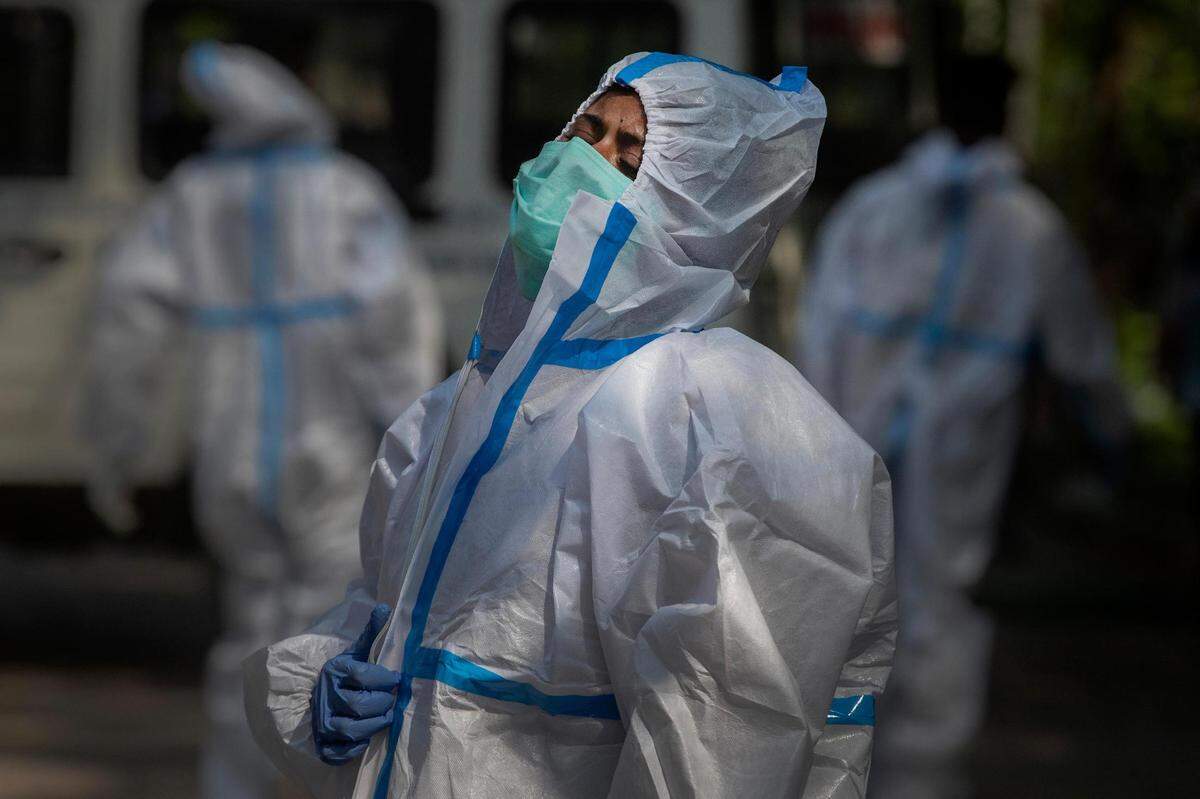
India Dispatch: ‘This Is a Catastrophe.’ In India, Illness Is Everywhere.
India, on Wednesday, became just the fourth country to pass 200,000 COVID-19 deaths. A second wave of the virus has run rampant, decimating the country of nearly 1.4 billion people.
The surge in new infections has stretched hospitals across the country to a breaking point, with widespread shortages of medical oxygen and beds. Patients and their loved ones desperately search for hospitals with intensive care units that can make room for them, turning to social media to find access to vacant beds and oxygen online, reports NBC News. Increased infections are not only overwhelming the hospitals, but also crematoriums which are running out of space.
The New York Times reported this week that India is recording as many as 350,000 infections per day, more than any other country has since the pandemic began. And most experts think that official number is a vast underestimation.
Jeffrey Gettleman writes for The Times:
Crematories are so full of bodies, it’s as if a war just happened. Fires burn around the clock. Many places are holding mass cremations, dozens at a time, and at night, in certain areas of New Delhi, the sky glows.
Sickness and death are everywhere.
Dozens of houses in my neighborhood have sick people.
One of my colleagues is sick.
One of my son’s teachers is sick.
The neighbor two doors down, to the right of us: sick.
Two doors to the left: sick...
...I’m sitting in my apartment waiting to catch the disease. That’s what it feels like right now in New Delhi with the world’s worst coronavirus crisis advancing around us. It is out there, I am in here, and I feel like it’s only a matter of time before I, too, get sick.
Make sure you check this out...
What We Know About the Killing of Andrew Brown Jr. in North Carolina
‘More Than Just Tragic’: Ma’Khia Bryant and the Burden of Black Girlhood
Long Marred By Racism, St. Louis Elects 1st Black Female Mayor
States are passing laws meant to punish protesters
Want to hear something troubling?
“Over the last year, more than more than 90 anti-protest bills have been introduced in at least 36 states. These bills were introduced after a summer of historic expression, in which millions of people joined together to condemn the killing of Black people by the police.”
That’s CNN contributor Vera Eidelman, a staff attorney with the American Civil Liberties Union’s Project on Speech, Privacy, and Technology, in the wake of Florida Gov. Ron DeSantis signed a bill that makes every person in a crowd of protesters open to facing felony charges even if it turns violent — whether they were involved or not. Guilty by association.
Legislators in Iowa, Alabama, Tennessee are seeking similar laws.
What’s more, Oklahoma passed a law that increases penalties for demonstrators who block public roadways and grants immunity to motorists who unintentionally kill or injure protesters while attempting to flee.
States are looking at broad penalties to punish activists and protesters. One thing on the table to be punishable by law is posting police officers’ names online, which has been used as a means of outing “bad apples” in departments.
“It is not difficult to imagine how this might stop journalists and others from exercising their right to record police abuses in public by posting identifiable images and recordings of officers online -- never mind that such recordings are critical to bringing police brutality to light,” Eidleman wrote.
“Under these harsh and overly broad bills, anyone who is seeking to use their voice or join a demonstration might be deterred from exercising their constitutional right to protest or even criminalized for it.”
Around the block
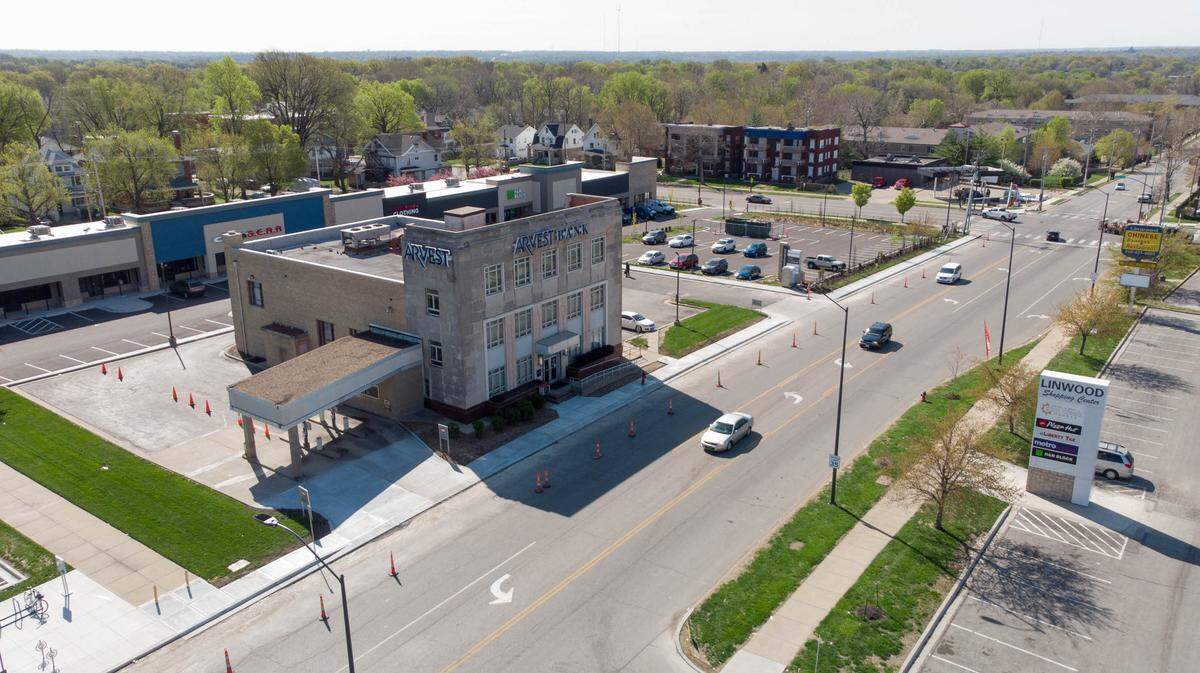
In Kansas City, redlining’s ghosts haunt East Side businesses amid the pandemic
A story done in partnership with the Center for Public Integrity explored how the racist systems embedded in Kansas City’s history kept folks east of Troost out of receiving aid during the pandemic.
East Side areas “redlined” in the 1930s because Black people lived there — a federal decision that effectively blocked investment — received 17% fewer PPP loans than if they’d gotten an amount proportionate to their share of the city’s small employers. Affluent, largely white ZIP codes given preferential treatment by redlining received 23% more, Center for Public Integrity Editor Jamie Smith Hopkins wrote.
...Sixty-three percent of eligible applicants for the relief grants that Kansas City approved for East Side business did not get a PPP loan. A handful were turned down for PPP help, according to a survey by LISC Greater Kansas City, a field office of the Local Initiatives Support Corp., which administered the city’s grants. Ten percent applied and got no response. Many didn’t apply at all, in most cases because they hadn’t heard about it.
It’s a finding that LISC said befuddled some regional business leaders. Never heard of the much-discussed PPP?
But that’s west-of-Troost thinking. For people living and working east of Troost, the LISC survey results show what officials should have known from the start: A program that isn’t designed to counteract the effect of decades-long discrimination will probably replicate it.
Don’t miss this either....
KC tributes to baseball great Satchel Paige are crumbling. Can his house be saved?
Kansas City, Kansas, school district names its first Black female superintendent
‘Home for ALL people’: Cafe Ca Phe owner is fighting Asian hate through coffee and community
Did Lee’s Summit teacher defend Derek Chauvin, or only lay out facts of Floyd case?
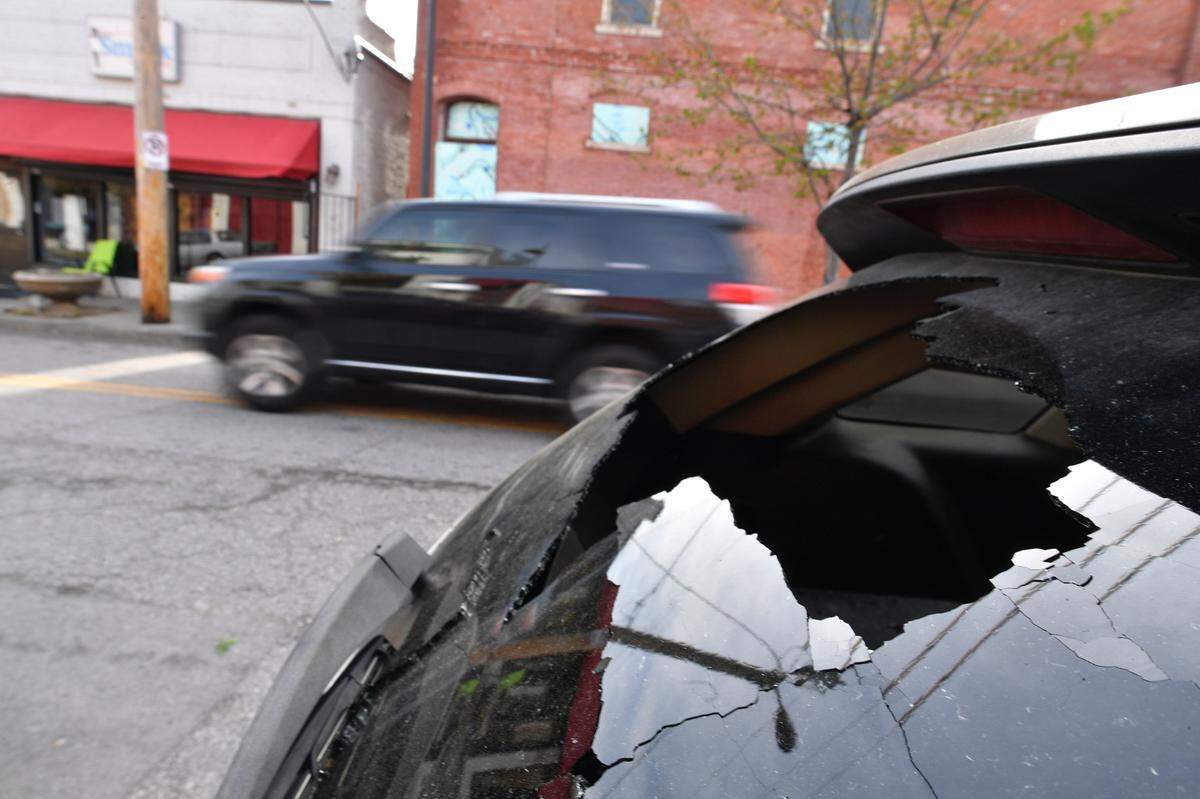
“It sounded like a war”: the week of gun violence in Kansas City
Last Sunday, Kansas City was the scene of a number of shootings that left three people dead and three more injured.
Late Sunday night, a shooting near the city’s historic 18th and Vine neighborhood resulted in the death of Gary Taylor, a personal trainer who, Mayor Quinton Lucas said during a press conference, left behind “a lot of caring” friends and family.
“I’m not trying to exaggerate; it sounded like a war,” one neighbor said.
Her 10-year-old son jumped to the ground, as she’d taught him to do. They could hear screaming from outside.
The woman told her son to stay in her bed, then she and a neighbor went outside to see what was happening. She said they watched as a man was pulled onto the flat ground of the street and given CPR for what they said felt like at least 15 minutes. She stayed outside for a few more hours watching the flashing lights.
When her son got up for school this morning, he asked her if someone had died. She told him yes.
That shooting came after more than 100 empty shell casing were found at Kansas City’s Swope Park following a shoot out that broke out there Sunday.
Early Sunday morning, 43-year-old Phillip Hudson was found dead in his car from a gunshot wound.
And KCUR journalist Aviva Okeson-Haberman was found in her apartment last Friday suffering from a gunshot wound that was fired from outside the building. She later died at the hospital. Colleagues of hers — devastated — said she “was going to change people’s lives.” She was 24.
Mayor Lucas, talking with neighbors Monday after the shooting near 18th & Vine — a neighborhood he too calls home — said he was recently asked if Kansas City’s crime strategies were working.
“Obviously not,” he said.
For the culture

Chloé Zhao Becomes Only the Second Woman to Win Oscar for Best Director in 93 Years
I’m going to try to stay above the fray in diving into Oscars discourse... but just real quick: for real? No love for Chadwick? Even after switching it all up to put the best actor category last in the broadcast? That’s tough.
Anyway, Hollywood’s biggest night (which, in this weird “streaming movies from home” year was also its weakest night by viewership) did have a lot of highlights — including Glenn Close doing the Da Butt (it’s a dance; ask Spike Lee).
Daniel Kaluuya won Best Supporting Actor for “Judas and the Black Messiah” and “Soul” won Best Animated Feature. “Ma Rainey’s Black Bottom” won a couple of awards for Costume Design and Best Hair and Make Up, while Emerald Fennell won Best Original Screenplay for “Promising Young Woman,” topping a field of men. “Minari” actress Yuh-Jung Youn won Best Supporting Actress, and Travon Free’s police shooting “Groundhog Day” live action short, “Two Distant Strangers” took home an Oscar. If you haven’t see it, go check it out — it’s under 30 minutes and on Netflix.
The biggest win of the night was probably Chloé Zhao, who became only the second woman and the first woman of color — Zhao was born in Bejing, China — to take home the Oscar for Best Director. Her film, “Nomadland” (it’s got some Kansas City roots as well) also won the top prize of Best Picture.
The filmmaker told IndieWire:
“I’m not the kind of filmmaker who just makes films. I have to be in love with my subject matter and want to learn more about it. Someone once said to me that passion doesn’t sustain, but curiosity does. I have to be excited by little things I discover along the way.”
Her next film is Marvel’s “Eternals”
Give these a read...
Chloé Zhao on Making Oscars History and How She Stayed True to Herself Directing Marvel’s ‘Eternals’
Here’s why Chloé Zhao’s win matters for Asian women in Hollywood
Best wishes!
Did someone forward this newsletter to you? You can sign-up here. If you’d prefer to unsubscribe from this newsletter, you can do so at any time using the “Unsubscribe” link at the bottom of this message.
This story was originally published April 29, 2021 at 2:59 PM.