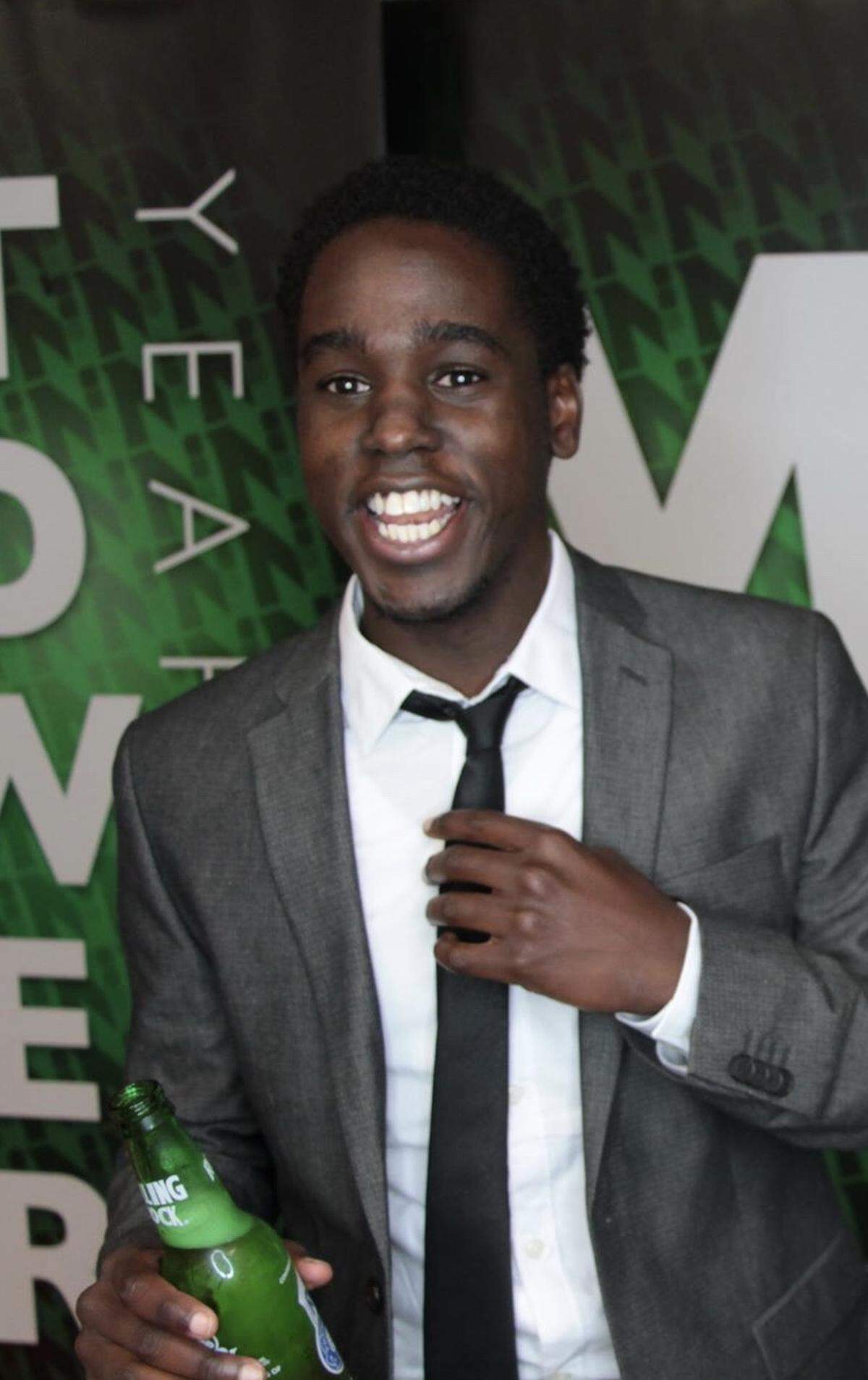
On The Vine: Race and equity beyond Black History Month

We’ve got new art, done by The Star’s dope illustrator Neil Nakahodo. What do ya think?!
In thinking about this week’s newsletter, I fear I’m starting to sound like a broken record, but just about all I do at this point is think about race and equity, and the path forward for The Star and how we perceive and project Kansas City.
I am a young (near 30 still counts as young, right?) Black man. And I recognize, while I don’t represent some monolith of Black thought, that my being here in this role brings a level of variance and point of view to the room. But it’s not lost on me that when we consider issues of race we tend to, in general terms, consider it as a matter of Black and white. There’s so much more at play here.
We’re in the process of hiring a new reporter who would focus on issues of race and equity. I keep reminding myself how important it is to look at this role as an opportunity to push even more diversity of thought into our newsroom and thus our coverage. We started with a promise to Kansas City’s Black community, but there are so many other areas as well we can and should be looking to strengthen our point of view. We’ve already gotten a diverse swath of candidates and I’m excited about the opportunity to look beyond my own... variance.
There’s always this pressure to ride for Black people and not let Black people down. It can be crippling. But race and equity editor, despite the complexion of my skin, isn’t a Black role.
Next week, for example, begins Women’s History Month and it’s just as important to me to help lead a charge in ensuring we’re highlighting and giving recognition to a population that too has found themselves in a different car on the same train in the fight for civil rights and social justice. We’ve started conversations on how we can tell those stories, pull back the curtain on the everyday lives of women in our community in a way that not only differs from what we do elsewhere but pushes our journalism forward.
I’ve also tossed around the idea of having other women on The Star staff write this newsletter through the month of March to highlight different perspectives. If only I get a voice, only Black folks lifted up, then I’m pretty sure I’m failing at my job.
So that’s where my head’s at this week, torn between a promise and a paradise.
Around the block
Top 10 ZIP codes for Kansas City residents getting COVID-19 vaccine are mostly white
It’s weird how we can know what the racist unjust thing will be, expect the racist unjust thing will happen unless steps to prevent it are taken, yet *somehow* the racist unjust thing still manages to come to pass. Weird, huh?
We were more than aware that, because of a slew of factors — most being the result of racist systems — getting vaccines to underrepresented, poor and minority communities would be a problem in need of addressing. Yet, as The Star’s Katie Moore writes:
The largest numbers of Kansas City residents who have gotten a COVID-19 vaccine live in ZIP codes that are overwhelmingly white, according to city health department numbers and census data.
That’s despite widespread knowledge that people of color are disproportionately harmed by the virus because of existing social inequities.
The ZIP code with the highest number of Kansas City residents who have been vaccinated — at 4,497 — is the 64114 ZIP code, according to the latest figures from the Kansas City Health Department.
The area is 82% white, while the city as a whole is about 57% white. That ZIP code borders Johnson County, running from Gregory Boulevard south to West Minor Drive and east to Oak Street.
In an attempt to resolve at least a part of the problem, the city announced a plan in partnership with Walmart and the YMCA to vaccinate more than 3,500 people with low-life expectancy over the next six weeks at an undisclosed YMCA location.
The city’s health department is notifying residents who are eligible for vaccine appointments and will not accept walk-ins.
“Offering our space to improve vaccine equity is one way the Y can deliver on our mission to make sure all in our community have access to the resources they need to thrive,” said John Mikos, president and CEO of the YMCA of Greater Kansas City.
What if they had lived? Mother of 5 and teen son killed in Kansas City radiated joy
This is a sad one.
Khasheme Strother was a boy mom. After finishing high school while caring for her newborn son, Raymon Hill, she went on to become a certified nursing assistant and later a certified foster parent, adopting three of the boys she looked after. Strother even spent some time working with school-age children with disabilities.
Last week, Strother, 35, and her eldest son Hill, 19, were both shot and killed by her boyfriend.
“She glowed like a woman on her wedding day when she first had him, and she never let that light fade,” her brother’s wife told The Star’s Anna Spoerre. “It’s like it just got brighter with every year he got older and with every accomplishment he made and every stride he pushed for...”
Had he lived, Hill would have started a barbering apprenticeship just days later in Kansas City. His goal was to open his own barbershop.
And had she lived, Strother would still be loving on her five pre-teen and teenage sons — three of whom she adopted. The most recent joined her home in August.
But because they died, their extended family who usually gathered to dance, sing and laugh instead came from all corners of the city and surrounding states to wrap their arms around the surviving boys.
In case you missed it...
Alvin Brooks and Kansas City: A love story imperiled by racism, saved by service
Jesse Milan, Kansas civil rights icon and beloved educator, dies at 92
Kansas school district is named for a Ku Klux Klan leader. Students demand a change
Kansas Frito-Lay plant faces more allegations of racial discrimination, lawsuit says
I will never understand the commitment to this level of hate.
Black employees at the Frito-Lay plant in Topeka, Kansas, filed a lawsuit this week alleging a hostile and offensive work environment, which, according to the lawsuit, included graffiti of swastikas and the words “assassinate Obama.”
Oh and get this, on Jan. 15, 2018, — Martin Luther King Jr. Day — Black employees found a noose in the warehouse. The lawsuit claims HR and management failed to take reasonable actions to address the incident. The graffiti displaying swastikas and stating “assassinate Obama” appeared on the walls in the summer of 2019.
What’s the point, people? Why?
Beyond the block
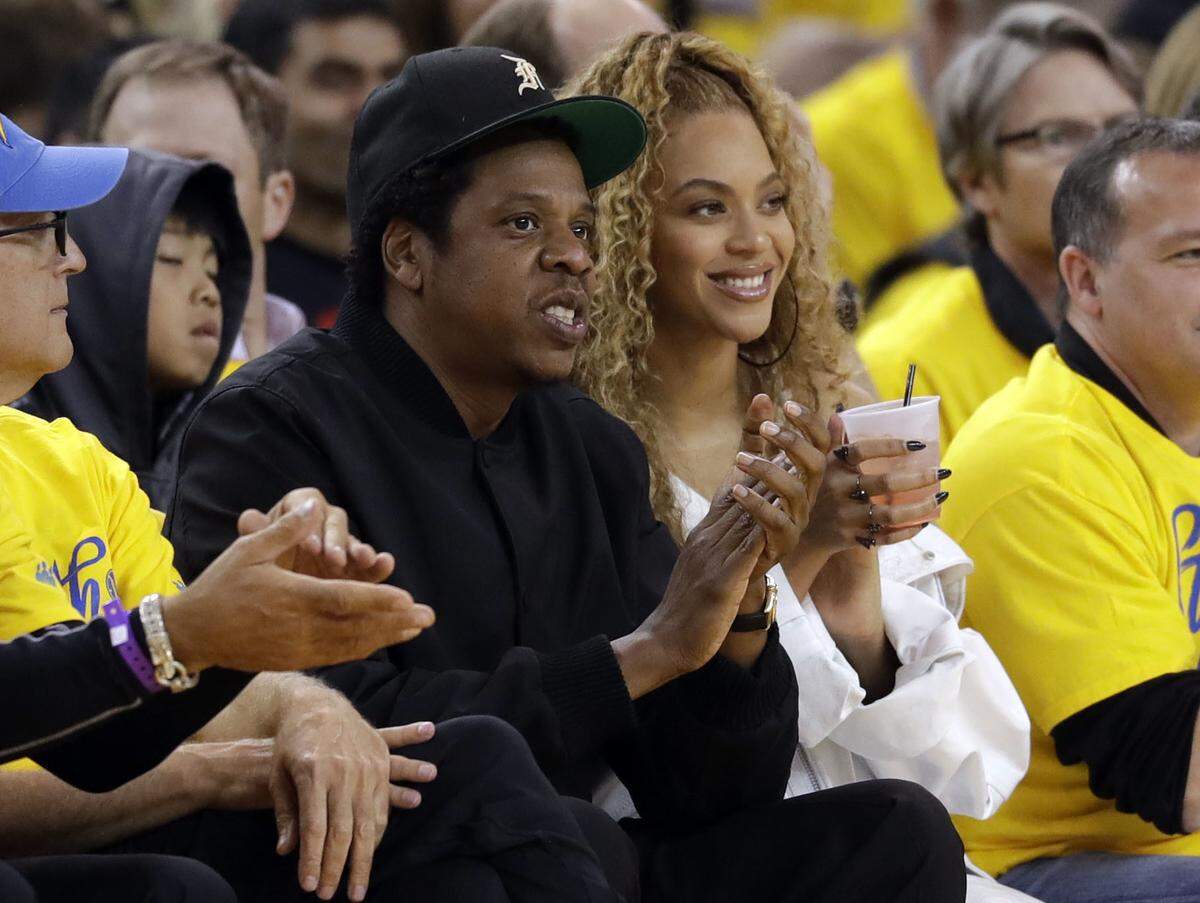
LVMH Buys 50% of Jay-Z’s Champagne Brand Armand de Brignac
When the sun is always out and you never get old/And the champagne’s always cold/And the music is always good.
Hov sold half of his champagne brand, Armand de Brignac or Ace of Spades as the cool kids (who can afford it) call it, to the French conglomerate that owns pretty much all the luxury items you can dream of — Moet & Chandon, Vueve Clicquot, Louis Vuitton, Celine, Christian Dior, Tiffany & Co., et al. And now half of Armand de Brignac.
Financial terms of the deal weren’t disclosed, but Armand de Brignac, which retails for roughly $300-plus per bottle, sold more than half a million bottles in 2019.
Jay-Z bought the company in 2014 after a, let’s say “falling out” with Cristal. Jay used to pop bottles of Cristal till, in 2006, managing director Frederic Rouzaud said of the popularity of the brand in the hip hop community:
“What can we do? We can’t forbid people from buying it. I’m sure Dom Pérignon or Krug would be delighted to have their business.”
Jay-Z then called for a boycott of the brand, which I also gladly participated in and still do to this day (a bottle might as well be $300), and latched onto Ace of Spades.
Wish my petty paid off half as well as that.
The New York Times’ audit on racism
The Gray Lady issued a call to action this week to, among other things, increase the percentage of Black and Latino colleagues in leadership by 50 percent by the end of 2025.
After several months of interviews and analysis, we have arrived at a stark conclusion: The Times is a difficult environment for many of our colleagues, from a wide range of backgrounds. Our current culture and systems are not enabling our workforce to thrive and do its best work.
This is true across many types of difference: race, gender identity, sexual orientation, ability, socioeconomic background, ideological viewpoints and more. But it is particularly true for people of color, many of whom described unsettling and sometimes painful day-to-day workplace experiences.
We heard from many Asian-American women, for example, about feeling invisible and unseen — to the point of being regularly called by the name of a different colleague of the same race, something other people of color described as well.
Applause to The Times.
Don’t miss this...
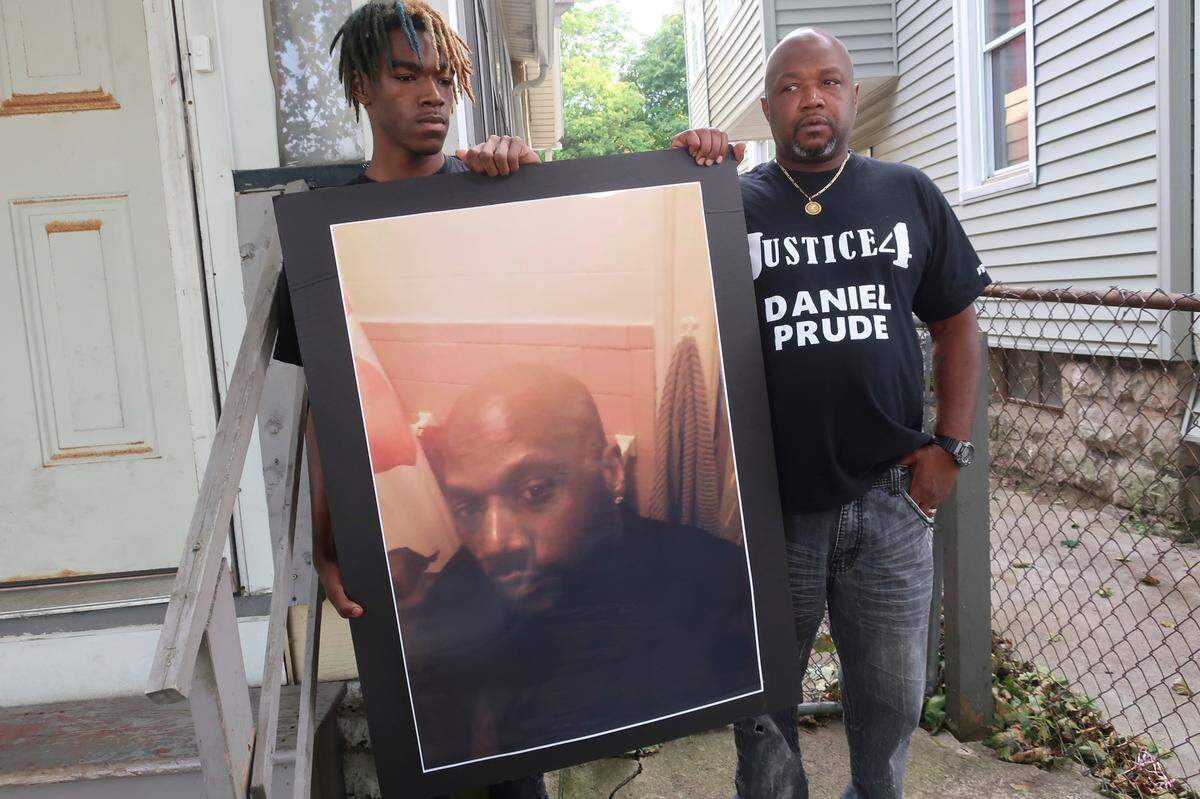
Protesters gather in Rochester streets after announcement that no officers will be charged in Daniel Prude’s death
At this point my auto-fill features know what I’m gonna type before I even touch the keys: Tuesday, a grand jury ruled not to indict the officers who killed Daniel Prude last year.
Black Lives Matter protesters marched through the streets of Rochester, New York, on Tuesday after the decision was announced. Protesters were arrested in Brooklyn as well.
It went relatively unnoticed, but in March of last year, Prude’s family reported the 41-year-old missing and suicidal — he was having a mental health episode — after having been released from the hospital. When police found him he was naked and acting irrationally. Officers handcuffed him, covered his head with a “spit sock” and held him to the ground face down. When he tried to stand up, despite being restrained by handcuffs, an officer placed much of his body weight over Daniel’s head and pushed it into the pavement, NPR reported in September (there was video, but I struggle to watch them more and more).
Prude was then taken to a hospital, declared brain dead and died a week later.
The county medical examiner’s autopsy described his death as a homicide and listed the immediate cause of death as “complications of asphyxia in the setting of physical restraint.”
And now here we are, nearly a year after his death, and no one is held accountable. It seems like such a small consolation for the cost of a man’s life, but state Attorney General Letitia James revealed that Monroe County Court Judge Karen Bailey Turner has approved the release of the grand jury records to the public, which is a surprise and could very well be a big deal.
For the culture
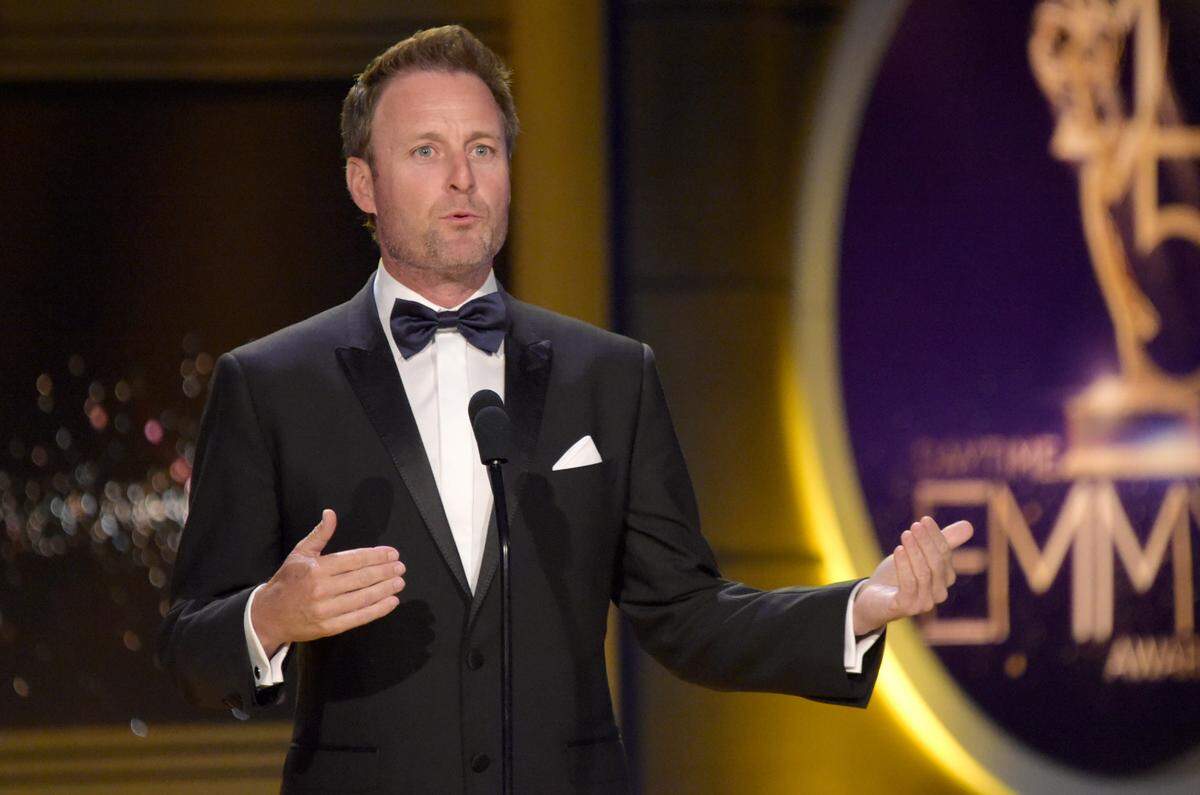
Oh, so ‘The Bachelor’ has a race problem?
Hear me out... I love a little messy drama. On the surface, “The Bachelor” fills that need perfectly. But I’m not naive — at it’s core, the 19-year-old “reality” TV series is deeply problematic. At the current moment, the problem at the forefront is its relationship with race, specifically how it treats Black contestants, leads and Black identity as a whole.
I could write a dissertation on the racism of “The Bachelor” franchise and its unwillingness, until this season, to have a Black bachelor (don’t get me started on how it’s shied away from digging into that.)
But in so many ways it seems fitting that this issue of racism within what we call Bachelor Nation should arise this year after pictures surfaced of one of the women vying for Black bachelor Matt James’ heart attending an antebellum plantation-themed fraternity formal in 2018. Smdh.
That was problematic enough, but then Chris Harrison, the face of “The Bachelor” franchise, went on Rachel Lindsay’s podcast (she was the first Black bachelorette) and... well, here’s how Refinery29’s Ineye Komonibo and Kathleen Newman-Bremang put it:
Moments after repeatedly interrupting and talking over a Black woman to arrogantly mansplain why a racist incident wasn’t actually racist, he jovially thanked her for their interview on Extra and said something to the effect of “I love that we can have discussions like this.”
Lindsay and the rest of the Internet felt differently.
The almost 14-minute raw interview went viral two weeks ago, holding a mirror up to a franchise that has been failing its contestants of color for years... Harrison’s alarmingly audacious display of privilege and bigotry unearthed a truth Black fans of “The Bachelor,” “The Bachelorette,” and their adjacent shows already knew: Bachelor Nation has a race problem.
I’m not starting my dissertation now, so I’ll just say YES to all of that.
Did y’all see this?...
Tiger Woods recovering after surgery for injuries in rollover crash
That Warm Dr. Hibbert Chuckle We All Know From The Simpsons Will Finally Be a Black Man’s Voice
Check out...
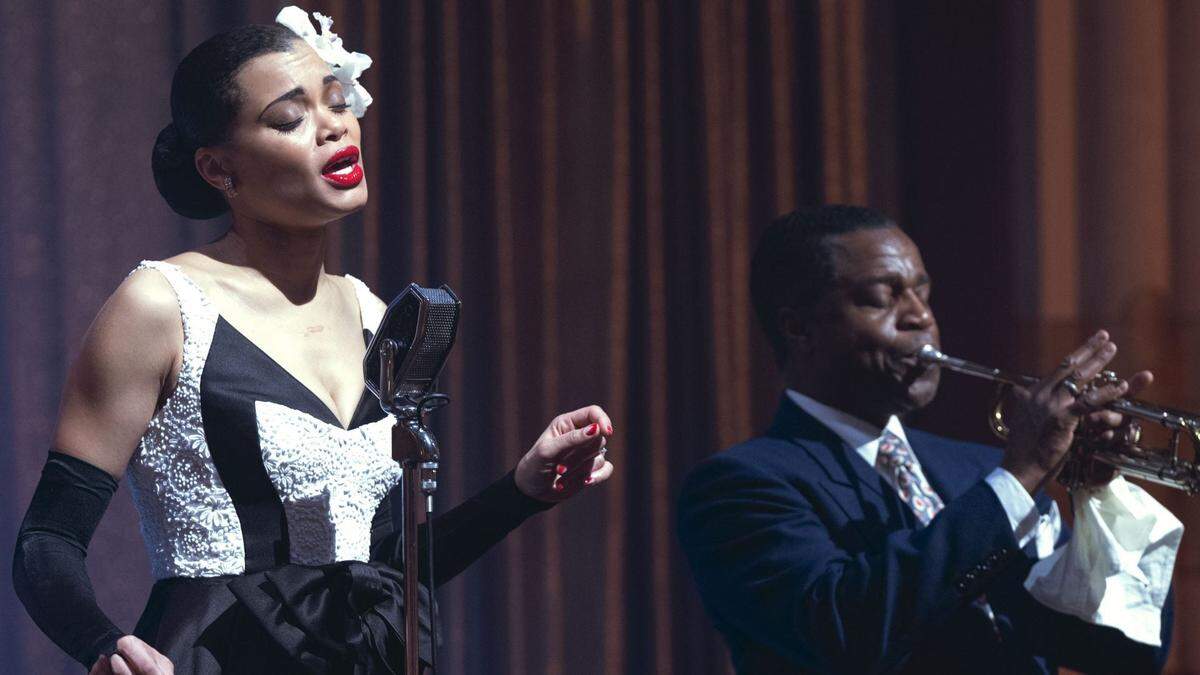
Watch: “The United States vs. Billie Holiday”
I’m a sucker for a good (really just decent) biopic of a musical artist, preferably Black. I must have seen “Why Do Fools Fall in Love” damn near 100 times. I’m not joking. And every second of “The Five Heartbeats” (though not technically a biopic) is burned onto my brain. So, yeah, I’ll be on my couch with a glass of wine and bowl of popcorn to cherish the great Andra Day’s portrayal of the incomparable Billie Holiday.
The film, dropping on Hulu on Friday, Feb. 26, is directed by Lee Daniels from a screenplay penned by playwright Suzan-Lori Parks. The film, which has already garnered Day a Golden Globe nomination for best actress, follows the famed jazz singer’s iconic career well, telling the story of her struggles with heroin addiction and the Federal Department of Narcotics’ targeted undercover sting operation in an effort to racialize the war on drugs and ultimately stop her from singing the haunting and poetically powerful song, “Strange Fruit.”
The movie has gotten mixed reviews from critics thus far. In his review of the pic, Variety’s Owen Glieberman writes:
In this sprawling, lacerating, but at times emotionally wayward biopic set during the last decade of Holiday’s life, Day gives Billie a voice of pearly splendor that, over time, turns raspy and hard, and we see the same thing happening to Billie inside. She’s a survivor with the fearsome glint of someone who has seen it all, and sees through it all. Day gives her a hellfire beneath the ravagement; her Billie gets beaten up by life, but won’t bow down. And onstage, the great singer of “Rise Up” simply becomes Billie Holiday, in her signature orchid, with a presence as sinuous as her voice, which she plays like a jazz instrument, stylizing emotions into a sound that pierces and caresses.
Till next time
Did someone forward this newsletter to you? You can sign-up here. If you’d prefer to unsubscribe from this newsletter, you can do so at any time using the “Unsubscribe” link at the bottom of this message.
This story was originally published February 25, 2021 at 12:21 PM.