A couple, a mom, a man who promised God: Remembering 7 Kansas Citians lost to COVID-19
The moment was wrenching, but Glenda Johnson knew she was fortunate to be at her husband’s bedside when he took his last breath.
She and Vern, her husband of 38 years, had come to Research Medical Center by ambulance, too weak to walk, suffering from COVID-19.
Glenda, 80, got better. Vern, 85, would not.
Even in his delirium, he refused to go on a ventilator. He couldn’t talk, but he would shake his head, no, no. He refused a feeding tube. The family knew his wishes.
When the doctors told Glenda she was getting discharged, she cried.
“I can’t. You can’t send me home,” she said.
So they relented, allowed her to stay in her hospital room. It would be three more days.
Meantime, Vern’s daughter, Kristen Jumps, 55, found out she was newly sick with the coronavirus. Her husband, Mike, and their 20-year-old son, Christopher, would get it, too.
The day was April 6, about 3 p.m. It pained Kristen not to be with her dad. Glenda held up her cellphone so Kristen could see her father.
“I lay in bed,” Kristen said, “with Glenda on Facetime, and watched him die.”
Across the Kansas City area, the coronavirus death toll hit 124 this past week. It can be all too easy for real people to get lost among rising numbers. The stories of even seven of them speak to the neighbors, friends and family we’ve lost in a pandemic that, as commerce plans to slowly reopen, continues to steal lives:
A man of talent who made a pact with God. A mother who moved past the death of her own child to become a nurse. A father who could build anything. A preacher, brother and former Marching Cobra, in violet pinstripes. A couple, married 67 years, who died one day apart.
And Vern Johnson.
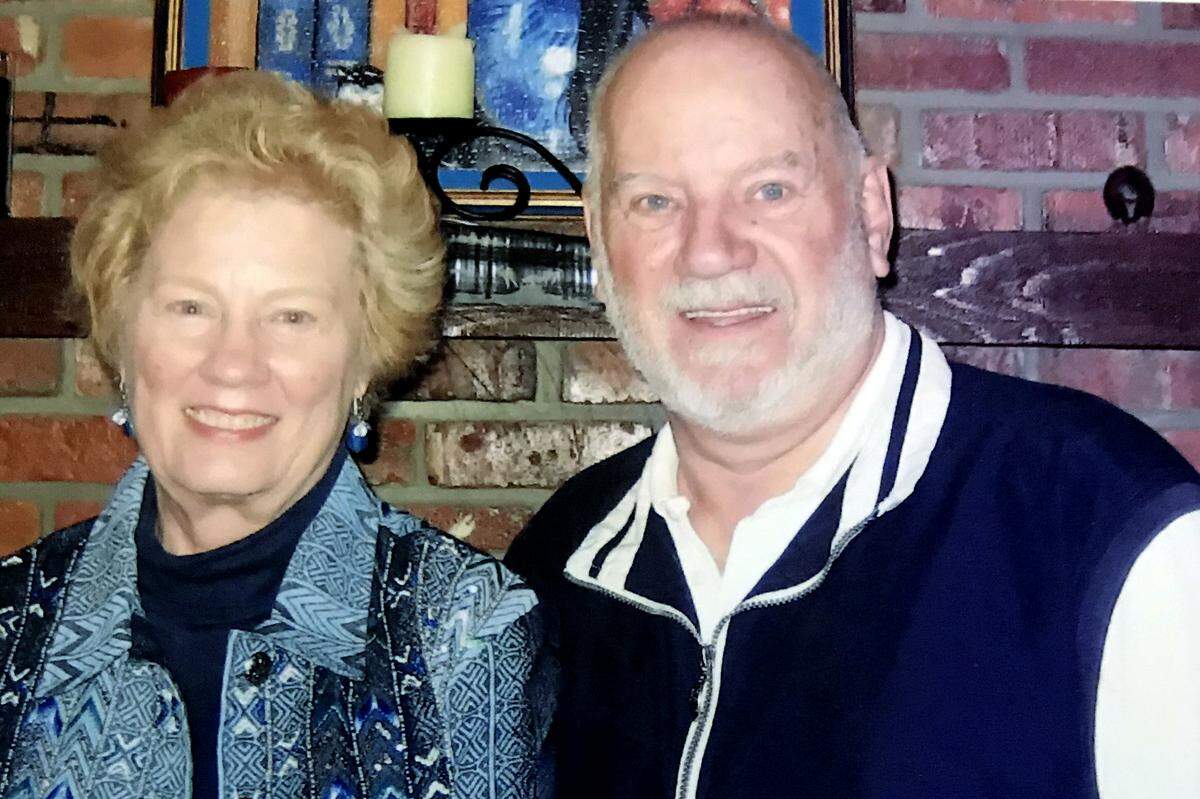
‘A family man, through and through’
Glenda Johnson spoke softly to her husband in the hospital. “I told him I loved him,” she said, looking back on the ordeal.
She sat next to Kristen, both wearing face masks and Kristen with gloves, on the back deck of the Johnsons’ Overland Park home.
In the days prior to Vern’s death, in the one hour each day she was allowed to sit with him, Glenda spoke to him about the memories they’d made.
“I would talk about the good times we had,” she said. “All the trips we took, our families and how lucky we were to have 38 years together.”
More than lucky, she felt blessed.
They met later in life. He was 47. She was 42. Both were divorced. Glenda with three children, Amanda, Mak and Kelly. Vern had Kristen and Doug. After his divorce, Vern had fought in court to raise them as a single dad. He won, a rarity at the time.
Over the years, he would pass up promotions at Sears, where he worked for 35 years, because he knew those jobs would take him to Chicago, the company headquarters, and rob him of time with his kids. Swim meets, volleyball games, school trips. “He was all we had,” Kristen said. Vern didn’t want to miss a moment.
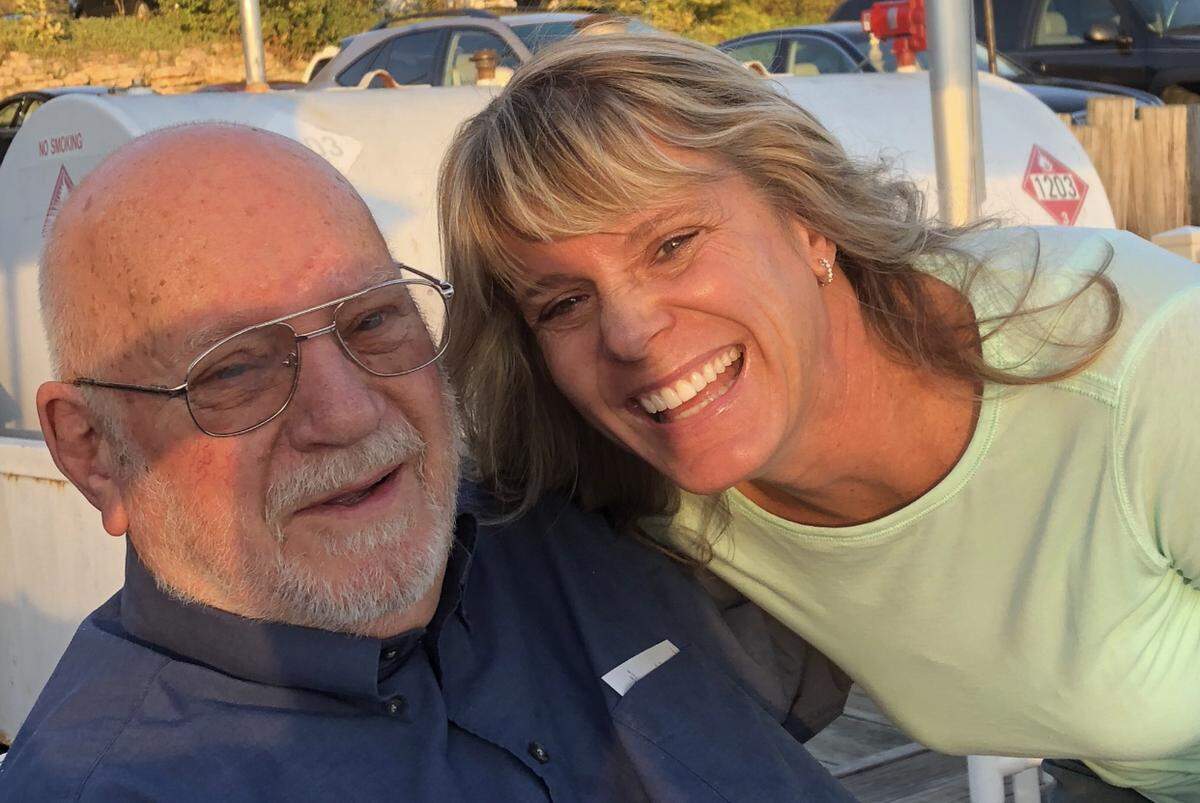
Glenda and Vern met on an evening when she was hosting a bridge game. She remembered thinking back then, “God, if you want me to be married again, bring him in through my front door.”
Vern walked in, a friend of a friend — garrulous, genuine and big-hearted. They had their first date on Valentine’s Day, 1981. They married a year later.
“When we met,” Glenda recalled, “he said, ‘Well, my mother died at 45. My dad at 55. And my sister at 50. So all I can promise you is 10 years.’”
They had decades.
To what he loved, Vern Johnson offered lifelong loyalty: to KU, his 1950s alma mater in the days of Wilt Chamberlain. To his friends: Twice a week, every week for 50 years, he played tennis with people he’d known for decades. Even after their bodies began giving out, dinners on tennis Mondays continued. Every Saturday, he shared breakfast with his buddies.
They were ones who shared his grief when, 11 years ago, Vern lost his son, Doug, to severe depression.
Each winter over the last few years, as self-described “snow birds,” they rented an apartment in Destin, Florida.
This year, as that trip ended, they drove to New Orleans on March 7 for four days with friends, returning on March 12 and unaware that the coronavirus was already rampant. On Sunday, March 15, the couple were fine. Two days later, Vern fell ill. Glenda followed.
“I didn’t think it was COVID until I called 911,” Kristen said.
Neither had a serious cough or fever. But the fatigue was overwhelming. Vern’s body shook so much, he couldn’t hold a glass of water. On March 24, when the ambulance arrived, Vern had fallen out of bed. At the hospital, he was so delirious he didn’t know his birthday.
“People were praying all over the United States,” Glenda said.
After Vern died, Glenda stayed one more night in the hospital. His cremated remains sit in an urn, and Glenda said some will be spread in Florida.
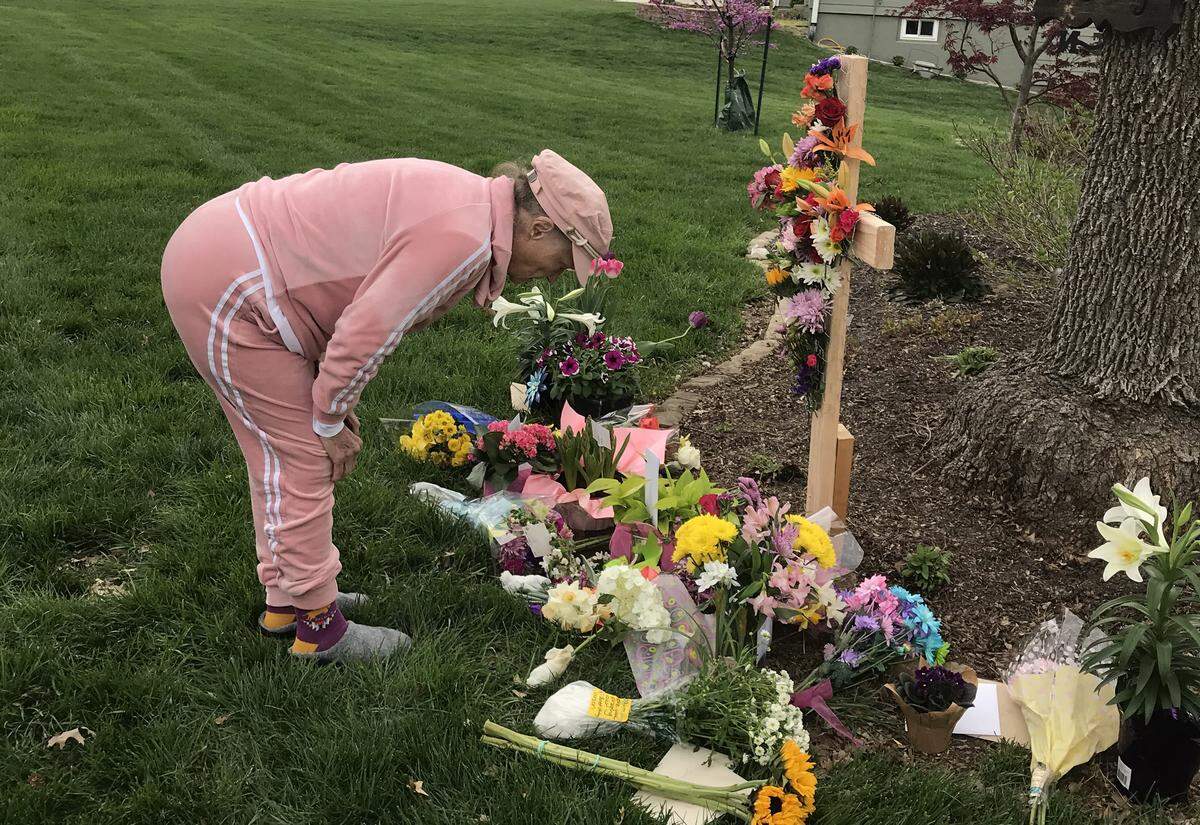
On April 11, the Saturday before Easter, Glenda awoke to find a wooden cross, shoulder-high, covered in flowers, planted in her front yard in memory of Vern.
“Kris’ friends came from the west. Church friends from the east. There was a parade, and flowers and signs: ‘Get well’ and ‘Love you,’” Glenda said.
Kristen said, “When I think of my dad, I just think I’m the luckiest person to have had him as my dad. I had a lot of years with him. However, the years are never enough when you lose someone you love.
“It wasn’t long enough. I wanted more.”
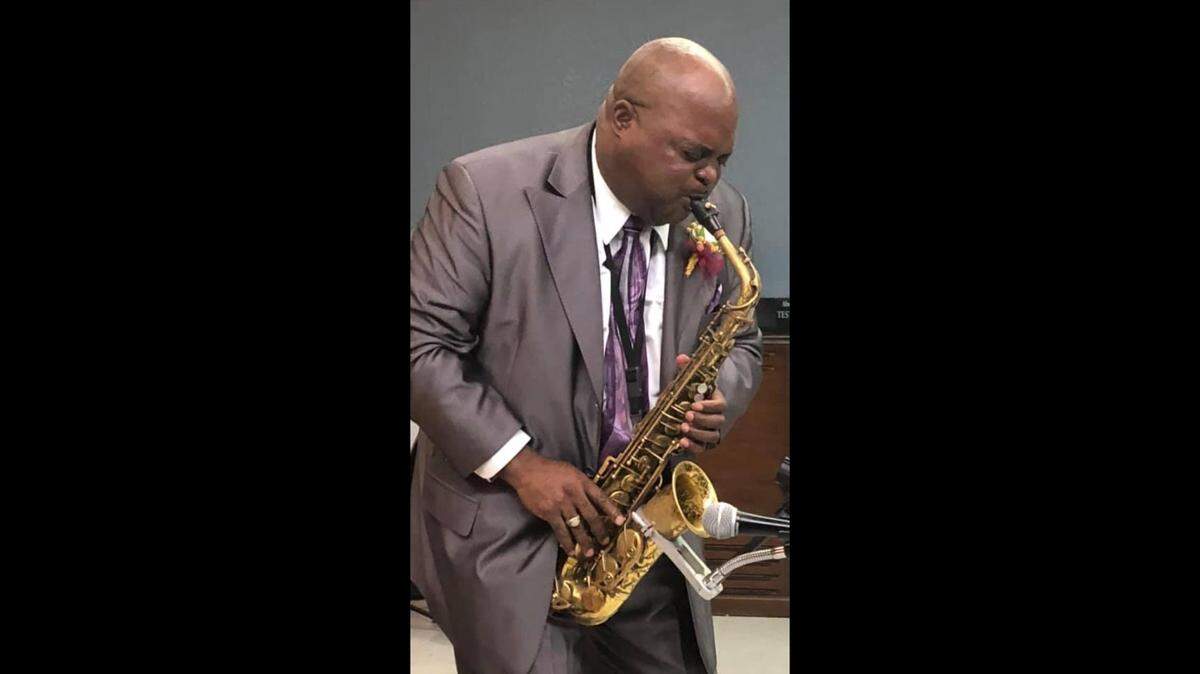
Pact with God
Lore has it that blues guitarist Robert Johnson stood at a Mississippi crossroads and made a deal with the devil to imbue him with his legendary talent.
Saxophonist Brandon McCray, who died at age 52 on April 19, did the opposite. He made a pact with God.
Born on Dec. 10, 1967, in Kansas City, Kansas, he showed his talent early. His exacting mother, Velma Jones — “a presence,” “a general,” one son would call her, at 5-foot-6 and 300 pounds — had fixed goals for her five children. Brandon, fathered by her boyfriend during college, was the oldest. All would be educated. Not just high school, but college. All would learn an instrument.
Brandon picked violin before switching to the double bass and earning top spots in youth orchestras. Then in middle school, he saw famed gospel saxophonist Vernard Johnson, an alumnus of Sumner High School, raise a church’s roof with his growling strains, and McCray knew his life’s calling.
He learned sax by ear at first and was decent, but not good enough to make Sumner’s jazz band, a teacher reportedly said.
“He wouldn’t let him in the class,” recalled McCray’s younger brother, Jarius Jones, the Ph. D. principal of Kansas City’s Center Middle School. “He said, ‘No, you’re not good enough. You’re not good enough to play across the street.”
Which happened to be Eighth Street Baptist Church. McCray, raised in a devout Pentecostal family, had already dedicated his life to the Lord years before when, at age 5 or 6, it was said that his pastor laid hands on him and he was miraculously healed of sickle cell anemia.
Theirs was a praying family.
McCray turned his saxophone appeal to God.
“He made the determination,” his brother said, “that if God gave him that gift, he was going to use it only to glorify and magnify the Lord.”
That’s what he did for more than 30 years, playing not only at the Eighth Street church but also traveling to churches on five continents.
A once lean, three-sport athlete at Sumner — in football, basketball and running track — he would get a track scholarship and study saxophone at Kansas City Kansas Community College. He then earned his bachelor’s degree from Emporia State, his master’s from Wichita State and, finally, becoming Dr. Brandon McCray in 2015, earning his doctorate in saxophone performance from the University of Kansas.
On YouTube a video of McCray’s Ph.D. dissertation performance shows the musician, dressed in a black suit and white pocket square, his head shaved and shining, as he belts out a languorous and wailing version of “Wade in the Water.”
“Brandon McCray had a spirit that was ever optimistic and a determination that propelled him to realize the very best in everything that he pursued,” Robert Walzel, the dean of KU’s School of Music, said in university posting. “His music moved me. His spirit inspired me. … KU is all the better because of the contributions, achievements, and love of Brandon McCray.”
He made a living, but not a fortune.
“He played for people, and did a lot of things, many times for pennies,” his brother said.
When McCray died just after 1 a.m. at the University of Kansas Hospital, he was alone, but only in a way.
His brother said the family arranged it so that over the four days when it became clear McCray was dying, they could watch and be with him via a 24-hour Zoom connection.
“Some people late at night poured their hearts out. Just talking. It was amazing. It was comforting,” said Jones.
His brother, he said, was the warm-hearted protector of his younger siblings: Ted, a barber; Karene, an engineer for Black & Veatch; Jennifer, who worked in customer service before injuries from a severe car accident left her with a disability.
Their father, Ted S. Jones, 72, a Vietnam veteran who worked as a mail carrier, and their mother, 74, who was a teacher, both died last year just short of their 47th wedding anniversary. McCray was married and divorced. HIs 18-year-old son, Joseph, is a senior in high school.
No one knows exactly how, where or when McCray got the coronavirus. They do know that on March 15 he had played in a church in Grambling, Louisiana, a state hard hit by the virus. Then, on March 20, he also played at the Kansas East Ecclesiastical Jurisdiction’s Ministers and Workers Conference. It was held March 16-22 at the Miracle Temple Church of God in Christ in Kansas City, Kansas.
Six of the some 150 to 200 people who attended the conference have died, according to the Kansas Department of Health and Environment. At least 55 were infected.
A week later, on March 27, McCray took ill, went to an urgent care facility and then directly to KU Hospital. He eventually would be placed on a ventilator, suffer strokes and kidney failure.
“He never left,” Jones said.
McCray is buried near family. The plan, when people can gather again, is to throw a celebration with music in his honor.
“He played at everybody and their mama’s funeral,” Jones said. “He was, as someone said, a special gift.”
.jpg "Mo and Pegi Denton (1).jpg")
A knockout life
Days after his parents died, one after the other, from COVID-19, Deron Denton posted this on Facebook:
“What a run. Neither would have wanted to go on without the other.”
His father, Mullis “Mo” Denton, was 90 when the coronavirus killed him on April 3. One day later, it took his mom, Pegi Denton, at 87. The Lenexa couple were married 67 years.
Their love story began in the Dallas area, where young Mo worked as a soda jerk. He became a Golden Gloves boxer whose skills remained such that none of his three sons “ever contemplated trying to spar with him,” as it was put in their shared obituary.
When they met, Pegi was dating a friend of his and initially thought Mo too racy because of his occasional cussing and penchant for dirty jokes.
But he called her a “knockout,” which never failed to make her blush.
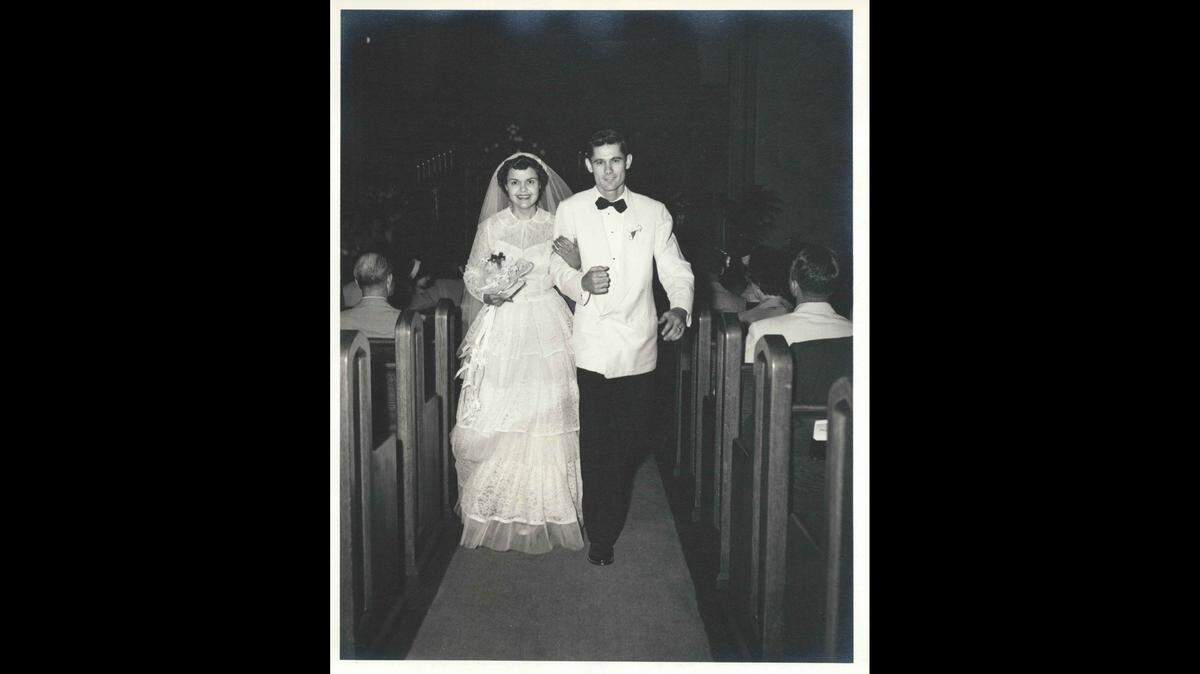
He rose from gas station attendant to become head of the credit division at Mobil Oil in Kansas City. She went on to earn her master’s degree in special education and taught at Johnson County Community College.
Theirs was always a playful relationship often punctuated with hugs and displays of affection.
“Mo never met a stranger,” wrote Deron, a senior writer for Children International. “Pegi was a world-class listener.” And both, he said, “had great, loud, easy laughs.”
Sometimes they argued, like any couple. But they modeled an exemplary generosity in their endless volunteer work counseling parents and teens in family support groups. They cried with many, said the “Serenity Prayer” with others, went to court with some.
That helps explain the outpouring of love for them now: the grateful posts attached to their online obituary and thankful letters sent to family members.
“Their commitment to helping families in crisis has inspired me to be the most committed parent I can be,” wrote one friend. “I will never forget their shining example of doing whatever it takes to never give up on our kids.”
Another said, “They had a major part in saving one of our family member’s life and our sanity.”
That calling started at home, said Deron, the youngest by eight years, because he was a “rebellious, jerk-a-holic teenager” who by age 13 was skipping school and sometimes not coming home at all.
By the time he sought to make up for the things his older brothers, Matt and Bryan, never put them through, they told him the ordeal was one of their most meaningful experiences.
“Mo and Pegi’s gracious reaction to my insufficient amends was one of my first lessons in the possibility of being able to take hardship and heartbreak and transform it into something positive,” he said.
That impact has resonated these last few piercing weeks.
The family has no idea how or where the couple got the coronavirus, but they weren’t the only cases, or deaths, among residents of Lakeview Village senior living community in Lenexa.
Pegi was suffering with a headache and gastrointestinal trouble for about a week and was taken to the hospital by ambulance. On March 28, the family learned she had the virus.
That night, the family went to Lakeview to visit Mo, who was struggling physically and emotionally. Masks on and 6 to 10 feet apart, they spoke to him from outside his apartment, trying to comfort him.
The next morning, they called an ambulance for him. They told him they loved him and waved goodbye through the small rear ambulance windows, while filled with dread.
In the days to come, the sons spoke with their mom and dad on the phone and took them letters and photos that hospital staff picked up from them in the parking lot.
Mo chose not to be on a ventilator and died April 3 with Bryan at his side. The next day, they received a call that Pegi was fading. They could say their goodbyes in person, even as she was on a ventilator, intubated and unconscious.
“Initially, the grief and the tears were overwhelming … (but) the tears of grief were eventually matched by tears of thankfulness,” Deron wrote. “The only way I can describe is that it seems like each and every person who was willing to feel some of this sorrow took a small piece of it from our shoulders and made it possible for us to stay afloat.”
Now, he thinks of how his life has been saved by their love and example and how that has surged through his brothers and friends to turn what he called a “seeming tragedy into a springboard for something positive and decent.”
“There is plenty of ‘awful’ in life,” he wrote. “And if we can’t learn from (their example) and transform it into something worthwhile, something to learn from and share with others, I’m not sure any of this would be worth much. …
“This is what fills me with such gratitude, even in the midst of such loss.”
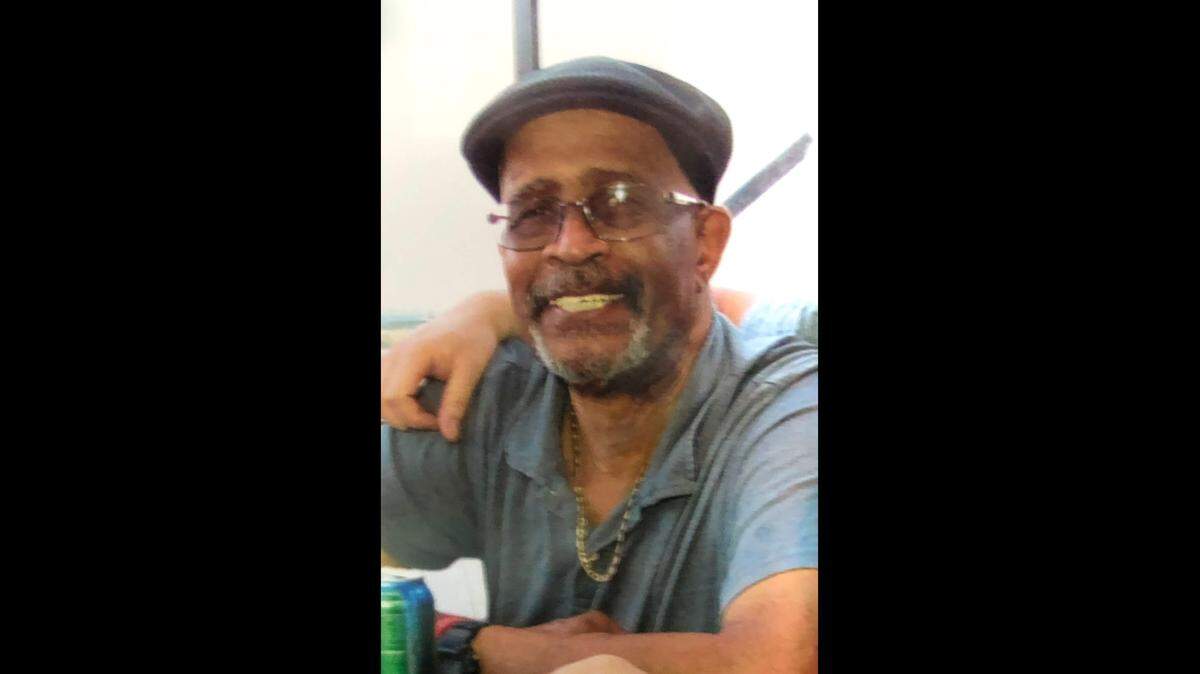
‘Something fantastic’
Theodis Gatlin Jr. knew how to build things. The woodshop he built in his Shawnee garage was pristine. He built the benches. He built the shelves and cubbyholes. He built his home’s dressers and closets, the entire kitchen, its tables, chairs, cabinets, his grandchildren’s bunk beds and cradles.
He had every woodworking tool imaginable. If he wasn’t crafting in wood, it was metal. He once built a robot.
The story from his childhood, raised in Leavenworth as the son of MaryBelle and U.S. Army Sgt. Theodis Gatlin Sr., is that as a boy, Gatlin saw the instructions to build a radio printed in an electronics magazine. He worked throughout the summer gathering the wires, dials and transistors, paying for the parts with money from his summer job.
He called over his sister, Elaine, to take a look.
“Listen to this,” he said. With the turn of a screwdriver, the radio crackled to life. So did Gatlin’s desire to become an engineer, which he did, working for Bendix Corp., later Allied Corp. before it became Honeywell.
“It makes me smile,” said Gatlin’s youngest child, Justin, a computer programmer in New York City. “Because he was the type of person, even to this day, who would go get a screwdriver and tune his radio, even though he could go to the store and buy one for $5. He loved to build things from scratch.”
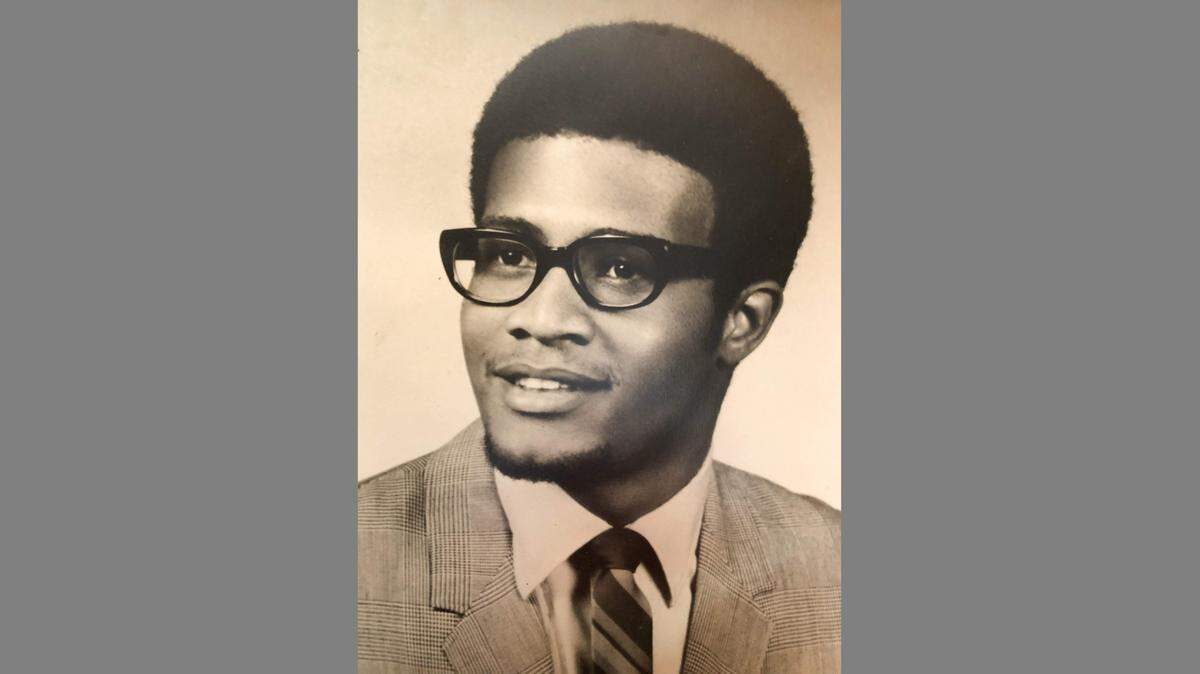
Gatlin, who died on April 18, less than a month before his 76th birthday on May 10, also built a life.
He was a student at Pittsburg State University when he met his interior decorator wife, Emma, now 74. Later, after he left Bendix, they would go into the remodeling business together, TG House Beautiful. Up to his death, he cared for her as she struggled in the last few years with progressing dementia.
“Every day. Every single day. He took care of every single one of her needs,” his son said, making her meals, checking her pills. “He was her everything as far as her care.”
Two of the kids, Darla and Theodis, graduated from Shawnee Mission North; Justin from Northwest. Gatlin didn’t push them toward college. It was just expected: Darla on a full-ride scholarship as a Division I track athlete to Ole Miss, the University of Mississippi, Theodis to Kansas State, Justin to Rutgers in New Jersey.
“My dad loved his children and grandchildren.” There were seven grandchildren and step-grandchildren in all, said daughter Darla Colum. “He would do anything for them.”
Or, for that matter, nearly any one of the kids’ 35 cousins. In Kansas, the family’s roots run deep, to 1865. Gatlin was the oldest of five; his wife was one of 12.
“When he passed, his nieces and nephews all got together and had a Zoom call and talked about how much they loved going to my dad’s house because he had all these gadgets,” Justin said. “He was such a tinkerer. They always asked my dad what his latest project was because it was always something fantastic.”
Gatlin was also a man of simple pleasures. Coffee, some two pots a day for a lifetime. Television. Trains. Justin remembers a 26-hour train ride to New Mexico and back that he took with his dad and mom and a friend in 2017. “He was just happy, smiling each hour,” Justin said.
It was coffee, in fact, that signaled to Justin in mid-March that maybe something was wrong. His father said he hadn’t been drinking it for about a week.
“I was like, ‘Uh oh,’” Justin said. “I said, ‘Dad, you know loss of sense of taste is a sign of COVID.’”
Gatlin felt listless, exhausted, hugely uncommon for him. It was hard to even pick up the creamer, walk to the refrigerator.
Darla talked to her dad, too. So did Gatlin’s sisters. They insisted he needed to get checked out. If infected, he could put others at risk. Gatlin called his doctor. A flu test turned up negative; he was sent home. Still feeling sick, Darla drove him to AdventHealth Shawnee Mission. The staff, prepared, met him. He tested positive for COVID-19.
Visitors were kept from the hospital.
“My sister was the last person to see him walking around,” Justin said.
They tried to stay in touch using Zoom. He didn’t use it. Cellphone calls became difficult.
“Everyone was concerned. When you talked to him, he either ran out of breath with every sentence, or you just heard a cough. Every cough was probably painful for him.”
His father’s death came as a surprise. Gatlin was on oxygen, but not on a ventilator. He didn’t want tubes. He was being given IV fluids. Every morning, at the same time, the kids called the hospital to check their dad’s status. That Saturday, they were told he was stable. No changes. No declines.
He had been sitting in bed, watching “Dirty Jobs” on TV. “My dad loved that show,” Justin said.
Justin was at his dad’s house when he got the call.
“They said, ‘Sorry to tell you this, but your dad has passed away,” Justin said.
At 2 p.m., nurses did their hourly check of vital signs. At 2:30, Theodis Gatlin Jr. sat slumped over and unresponsive in his chair. He was declared dead at 2:50 p.m. Justin said he is OK with his father dying that way, peacefully, watching television, something he loved.
“My dad did not want tons and tons and tons of medical care,” he said. “He did not want to be that person with all these tubes and machines and they’re trying to keep him alive. That is not what he wanted.”
The man liked to do things himself. “And so, if he couldn’t breathe on his own, he didn’t want to be breathing,” his son said. “And so we all respected that.”
His remains have been cremated. A family celebration will happen later after they scatter his ashes, although where is still unclear. Maybe along the train tracks, Justin said.
“I mean the man loved trains. Loved trains,” he said.
.jpeg "Georgia Mae Clardy_fitted (1).jpeg")
‘And this too shall pass’
Georgia Mae Clardy died of COVID-19 at age 89. From a hard life, she forged a good life.
“Eighty-nine. You know a lot of people don’t get to live that long,” her daughter said.
But it wasn’t often an easy life. Both her parents, Isaac Drew and Mable Williams, died early. Her mom went first. Then her dad. No one knows exactly why. “She never talked about it,” the daughter, Garnice “Gee Gee” Robertson, said.
Born Georgia Mae Drew in Wyandotte County on Oct. 28, 1930, she was the youngest of three. When their dad died, Georgia Mae was sent to the Niles Homes for Children, a refuge for homeless African American kids at that time, before she and her brother and sister were picked up and raised by different relatives. It was the first among many trials that would nourish a philosophy.
“She would always tell us that our belief in God is what would sustain us in life,” Gee Gee said. “And this too shall pass. That was one of her favorite sayings.”
When Clardy died on April 15 at Providence Medical Center, Gee Gee said, it was as “a true champion,” a “fighter” whose faith in God helped her endure more than most:
Two marriages; seven living children; two others who died, one at birth, the second, his name forever etched in her Bible, who is believed to have been killed at age 2 when he fell from a car.
Her children — Valcinia, Pamela, Sabrina, Garnice, Reggie, Sandford and Norman — would find their paths. Valincia, who worked in Kansas City, Kansas Public Schools as a teacher and then a director of food services for more than 30 years, married Larry Lester, a co-founder of the Negro Leagues Baseball Museum. Gee Gee, who works for the U.S. Department of Labor, is a well known local line dancer. One son would retire as a fire department captain, while another would run afoul of the law.
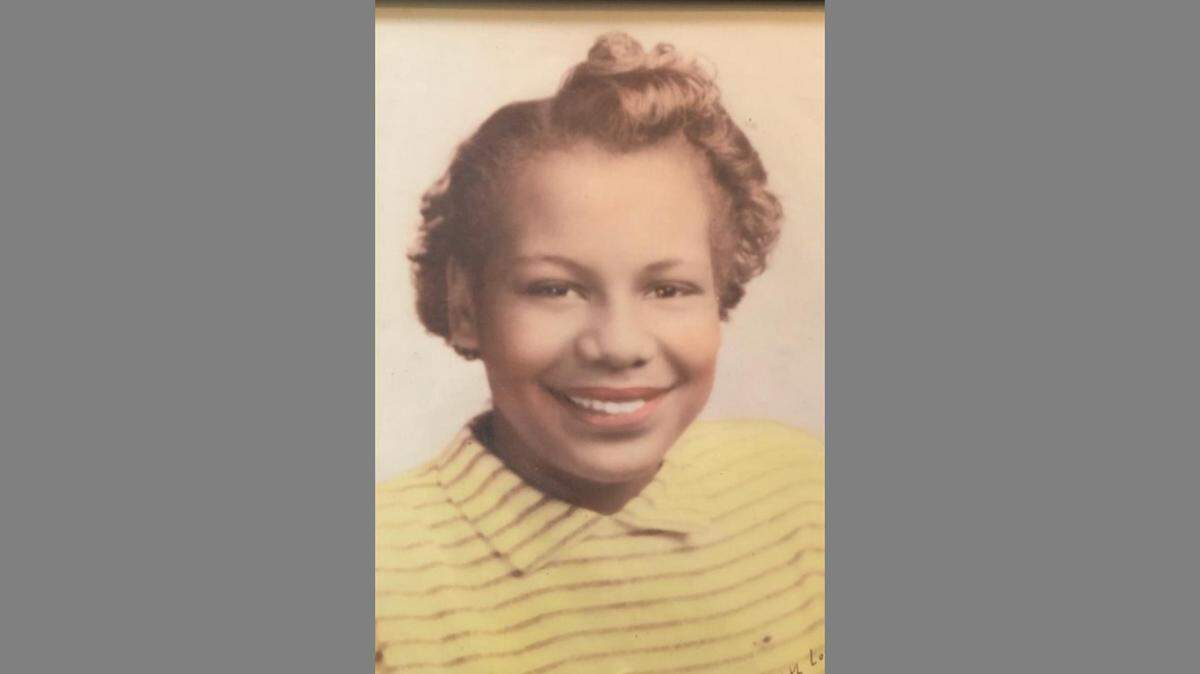
Their mom, a graduate of Sumner High School in 1948, became a licensed practical nurse, working for years at KU Hospital. Outwardly, she was quiet.
“But my mother was feisty,” said Valcinia Lester, the eldest of the children, soon to turn 70. “She enjoyed herself. She liked to party.”
She had a busybody side to her, “Nosy,” her daughter would say. “That’s an important thing. Very nosy,” always listening and watching from the sidelines.
She loved to cook and work in her yard. Eighth Street Baptist Church was her second home and where, when she was younger, she sang in its exuberant choir.
“She could sing. She loved it. She loved the life of the Almighty,” Valcinia said.
In her mid-70s, she conquered kidney cancer, “trusting in God the whole time,” Gee Gee said. But soon after, she was diagnosed with early dementia.
Eventually, she would make her way to one nursing home and then, three years ago, to another — Riverbend Post Rehabilitation in Kansas City, Kansas. The facility has emerged as the source of the largest single outbreak and deaths from COVID-19 in the state.
Thirty of its 135 patients have died: Georgia Mae Clardy was one.
Gee Gee has become a vocal critic of the facility. Her mother, though bound to a wheelchair, broke her femur in March. She maintains that her mother was returned to the nursing home at a time when the virus had already taken hold.
“Had they said something, we never would have let her go back,” the daughter said.
Her mother was taken to Providence on April 6. She was never on a ventilator. Gee Gee thinks that after overcoming so many obstacles over so many years, she just grew too tired. Georgia Mae Clardy died nine days later in the early morning.
“God has a time,” Gee Gee said. “God has a plan. She was very peaceful.”

‘A dreamer, an entrepreneur’
The YouTube video from 2014 speaks volumes. Two stout men, brothers in their 50s — sharp dressers both, 40 years beyond their middle schools days — cast their suit jackets aside. They stand at attention, shoulders back, arms at their sides, at the front of St. Paul Monument of Faith Church of God in Christ on Van Brunt Boulevard.
One, the shorter, is the Rev. Clifford Jackson, the bishop and leader of this Pentecostal church.
The other is his brother, Marvin Jackson, older by 11 months.
“All right!” barks the man at their side, Willie Arthur Smith, the legendary founder of the Kansas City Marching Cobras drill team. He speaks with authority into a microphone. Churchgoers record on their phones.
“Lincoln Junior Boys,” Smith snaps, using the name of the junior high drill team before it became the Cobras, “show the Kansas City people what Lincoln Junior Boys can do. Attention!”
Although they have not practiced this in more than 40 years, the two brothers snap to, as Smith commands them to march, “with a lot of soul,” a stomping, syncopated step. The brothers sway. They spin. They stab the air in perfect unison as if, once again, they are children at Lincoln Junior High.
“We had not rehearsed and marched with the drill team since 1973,” Clifford Jackson recalled of that moment recently. “Those steps were ingrained in our minds and in our hearts. … We did it like we did it 48 years ago.”
From that time, until April, Clifford Jackson said that barely a day passed that he did not share with his older brother either breakfast, lunch, dinner or, if not dinner, then the desserts — “We could eat breakfast and Marvin would ask, ‘What do you have on the dessert menu?’”
“I don’t recall a day without him,” Clifford said. “There has not been a day without Marvin.”
Now there must be.
On April 23, Marvin Jackson, born on Dec. 3, 1959, died of COVID-19 at age 60 inside Research Medical Center. Asked how he hopes people will remember his brother, Clifford Jackson was clear.
“I would like them to know that Marvin was a dreamer,” he said, “and an entrepreneur, a man of God, a tremendous leader and a brother beloved.”
He was hard to miss. Deep baritone. Hardy laugh and broad, teasing smile. A bit of gravel in his voice. And, as his brother attested, “a fashionist,” “a connoisseur” of all things fine — food, cars and especially clothes. He wore checkered or solid shirts, tailored suits, some in pinstripes of violet or white, cuff links, sometimes pocket squares the color of exotic birds.
“Marvin could make a jogging suit look good,” his brother said. “Some days he would be clean-cut, crisp in a suit and tie. He would be sharp. Other days, he would have on a shirt and a pair of slacks and a pair of alligators, and he would look sharp in that. Then, another day, he would have on a Gianni Versace jogging suit and a pair of Air Jordans, and he would look sharp in that.”
Born the middle child of five — Ronnie, Andrew, who died at age 34, suffering epilepsy, Clifford and Patricia — his family was rooted in the Pentecostal church. Their father was a pastor for a time. Their grandfather was a pastor. The children followed.
“All of us are preachers. All the preachers are musicians,” Clifford Jackson said.
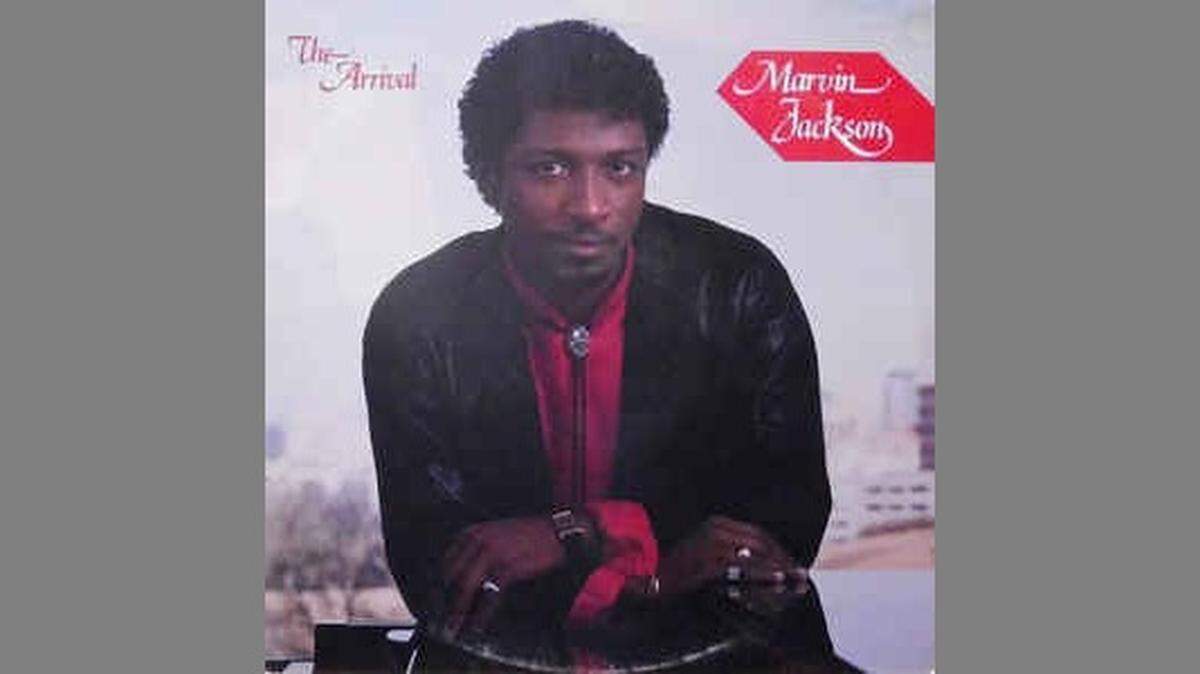
Marvin took music the furthest. He played trumpet, piano, organ and guitar. He started a band, Marvin Jackson and Spirit. And in 1985, he put out an album, “The Arrival,” with his original songs. He would open a studio, Pearl Records, near the Country Club Plaza and start his own Christian nightclub, ATHOS, short for A Touch of Spirit, at 60th Street and Troost Avenue.
He never married, but had two daughters, Carissa Cheadle of Kansas City and and Ashlea Pinzon of Houston. (An earlier version of this story had incorrect information about his family.)
For nine years, Marvin Jackson worked as his brother’s minister of music, until, in 1999, he felt the call to have his own church. In 2000, he opened the doors to El Shaddai International Ministries in Grandview as its founding pastor.
Meantime, he opened a men’s haberdashery, Platinum Men Clothing, before the shop went online last year.
“He took pride in how men should look, and how men of God should look,” Clifford Jackson said.
As COVID-19 spread, prompting social distancing and churches to close, Marvin Jackson continued to preach online, “not knowing he would meet his demise with the coronavirus,” his brother said.
Clifford Jackson said he suspects his brother contracted the virus in March at the Miracle Temple Church of God in Christ. He did not attend the March conference there. But in the days that followed, he did go to a funeral there, with many of the conference attendees.
“Marvin was there. I was there. My brother Ronnie was there. My niece was there, and my mother was there,” Clifford Jackson said. “There are several people at the funeral that day who are no longer with us.”
Clifford Jackson and his mother ended up suffering a stomach ailment, but it passed. Marvin, Ronnie and the niece each tested positive for COVID-19. Ronnie and the niece were hospitalized for weeks. Both recovered.
“Marvin was not so blessed,” his brother said.
He was also hospitalized for weeks. A ventilator was of no avail.
Funeral arrangements have yet to be finalized. Condolences have poured into the funeral home website, including one:
“We are praying for the entire Jackson family and church family,” it said. “Believers do not die, they only go to sleep. Knowing this, we will see you in the morning, Pastor Jackson.”
This story was originally published May 3, 2020 at 5:00 AM.