
Two new COVID-19 vaccines just got FDA approval. When will they arrive in Kansas City?
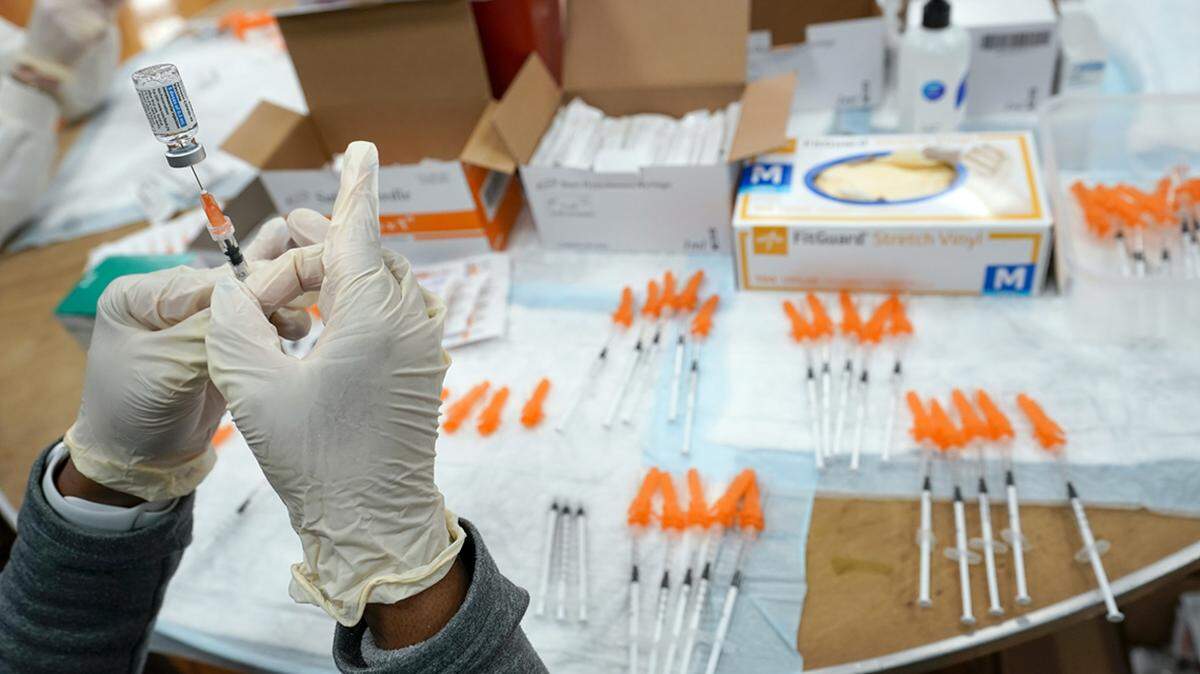
The FDA on Thursday approved two newly updated COVID-19 vaccines amid a nationwide uptick in infection. The Centers for Disease Control and Prevention recommend that all people aged 6 months and older get one of the new vaccines from pharmaceutical giants Pfizer-BioNTech and Moderna.
“I think the vaccine will be available in the next few weeks, and it’s quite possible that it could be available any day now,” said Mark Steele, the executive chief clinical officer at University Health in Kansas City.
The new vaccines, both of which were formulated to fight the recent KP.2 strain of the omicron variant, are thought to also protect against the current dominant variant, KP.3.1.1.
While these variants produce milder symptoms in many patients than earlier strains of COVID-19 did, they are still highly infectious and have been causing a surge of illness around the U.S, including in Kansas City.
Here’s what to know about the new vaccine’s rollout in Kansas City.
When will the new 2024-25 COVID-19 vaccines arrive in Kansas City?
Steele told The Star that the new COVID-19 vaccines could be available in the Kansas City area imminently — as soon as the coming weeks. Pharmacies will receive the vaccines first, then public health departments and hospitals will get shipments, he said.
“I think they just prioritize it to be able to get the vaccine out widely,” he said of the distribution plan. “Obviously there are a whole lot more local pharmacies than there are state and local health departments, and they’re already set up to administer various types of vaccines.”
The CDC is currently replacing its nationwide vaccine-finder website, Vaccines.gov, with a pharmacy lookup tool. That’s due in part to the decline in pop-up vaccination sites and vaccine events that were common earlier in the pandemic.
If you’re looking for a vaccine in Kansas City, your local pharmacy is a good place to start. Steele added that you can get a flu and COVID-19 shot in the same visit.
The Pfizer vaccine, also known by its brand name Comirnaty, and the Moderna vaccine, also called Spikevax, are considered interchangeable — meaning you don’t need to stick with the brand you got the last time you were vaccinated.
What will the new COVID-19 vaccines cost?
For most insured people, either new COVID-19 vaccine should be available without an out-of-pocket cost. Be sure to check with your health insurance provider in case it covers only one of the vaccines.
“The vast majority of private health insurance, Medicare and Medicaid cover the vaccine,” Steele said.
But people who are uninsured may find it tougher to get vaccinated for free than in years past. The CDC’s Bridge Access Program, which provides free vaccines for uninsured people using federal government funds, ends this month.
The Bloomberg School of Public Health at Johns Hopkins University advises uninsured people to seek vaccination at their local public health departments, which may have programs to vaccinate residents for free. The CDC’s Vaccines for Children program also vaccinates many kids and teens under age 18 who are uninsured or underinsured.
Who should get a new COVID-19 vaccine?
The CDC recommends that all people older than six months get vaccinated to protect against the worst effects of COVID-19.
“Vaccination is especially important for people at highest risk of severe COVID-19, including people ages 65 years and older; people with underlying medical conditions, including immune compromise; people living in long-term care facilities; and pregnant people to protect themselves and their infants,” the CDC wrote Friday.
Steele added that people who have recently been vaccinated against COVID-19 should wait two months before getting the updated shot, while those who have recently gotten sick should wait three months.
“For individuals who have recently had COVID during this little surge that we’ve experienced, most would suggest that you can wait until three months after that (to get vaccinated) because you’re going to have pretty good protection from that infection you just had,” he said.
Adoption of last year’s COVID-19 vaccine plateaued around 22.5% nationwide as of this spring. Missouri’s rate was very slightly higher at 22.9%, while Kansas’ lagged behind at around 21.3% as of May 11.
Steele added that while many people’s COVID-19 symptoms are less severe than earlier in the pandemic, others with compromised immune systems from age or other health conditions can still get seriously sick.
“Unfortunately, we’re still seeing people with COVID who get hospitalized and then some who unfortunately die,” he said. “Those who are vaccinated are much less likely to end up in the hospital or to end up dying from COVID.”
Do you have more questions about staying safe from COVID-19 in Kansas City? Ask the Service Journalism team at kcq@kcstar.com.
.jpg)