
Don’t throw away your COVID masks — they could make concrete better, WA researchers say
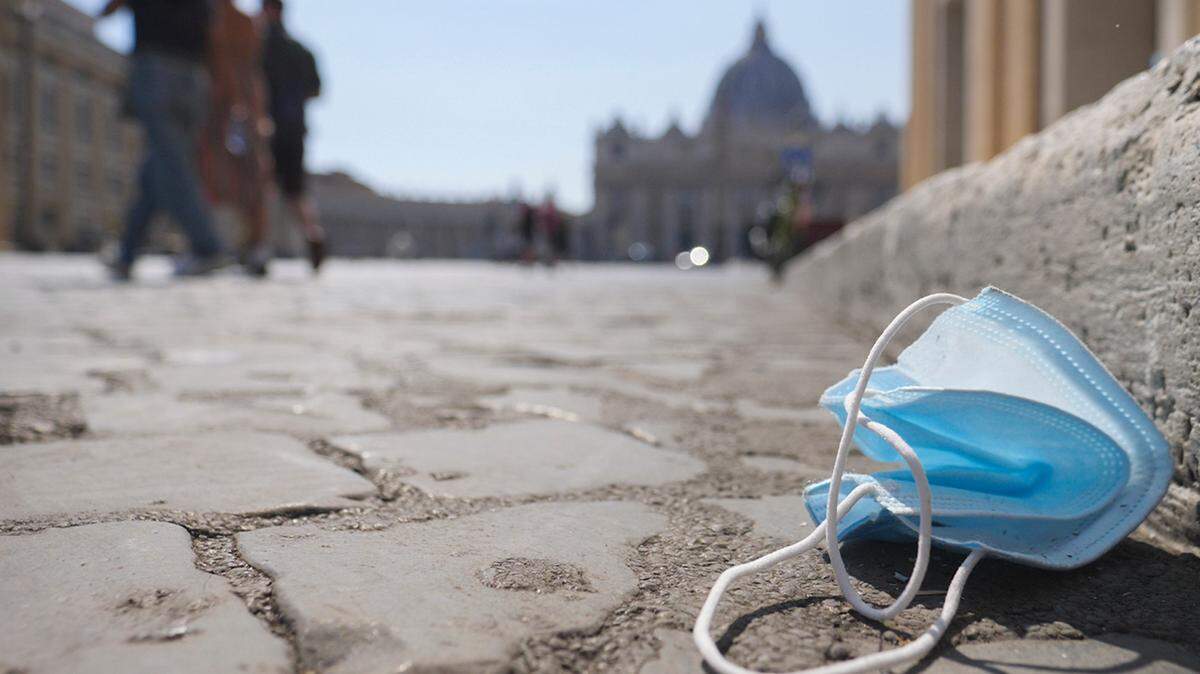
During the COVID-19 pandemic, disposable face masks became a staple for millions of people. But what should you do with them once they’ve been worn?
Researchers at Washington State University may have found a purpose for those used masks: using them to make concrete more durable.
In a paper published last month in the journal Materials Letters, researchers said cement with mask materials mixed into it was 47% stronger after curing for 28 days than cement typically would be.
The study indicates that masks, which are “forming a new waste stream that poses a considerable environmental risk to the ecosystem” when they’re not disposed of responsibly, can be “upcycled” to minimize waste, researchers said.
“These waste masks actually could be a valuable commodity if you process them properly,” Xianming Shi, a professor at Washington State University and the corresponding author on the paper, said in an April 27 news release. “I’m always looking out for waste streams, and my first reaction is ‘how do I turn that into something usable in concrete or asphalt?’”
Cement production involves high carbon emissions, and adding microfibers to cement to strengthen it can be expensive, the news release said. Using the microfibers in disposable masks to strengthen concrete instead can potentially reduce the amount of cement needed or make concrete last longer, potentially reducing carbon emissions, according to the news release.
On the other hand, if masks aren’t reused, they could “remain in the environment for decades,” the release said.
Researchers made their discovery by removing metal and cotton loops from masks, cutting them up and adding them to ordinary Portland cement, which is the most commonly used type of cement around the world, the news release said.
Before adding the masks, they mixed them with a solution of graphene oxide, which helps prevent microscopic cracks in the concrete that could make it less durable, the release said.
Researchers are working to figure out the other benefits of adding mask materials to cement, including trying to determine if doing so could protect concrete from frost damage and the deicing chemicals often used on roads, the release said.
Researchers also hope that the same technology might work for similar materials, like discarded clothing, to upcycle that waste as well, the release said.
The study was funded through the U.S. Department of Transportation’s National Center for Transportation Infrastructure Durability and Life Extension.
This story was originally published May 18, 2022 at 12:53 PM with the headline "Don’t throw away your COVID masks — they could make concrete better, WA researchers say."