Face masks can save lives, but they could also help make roads, study finds. Here’s how
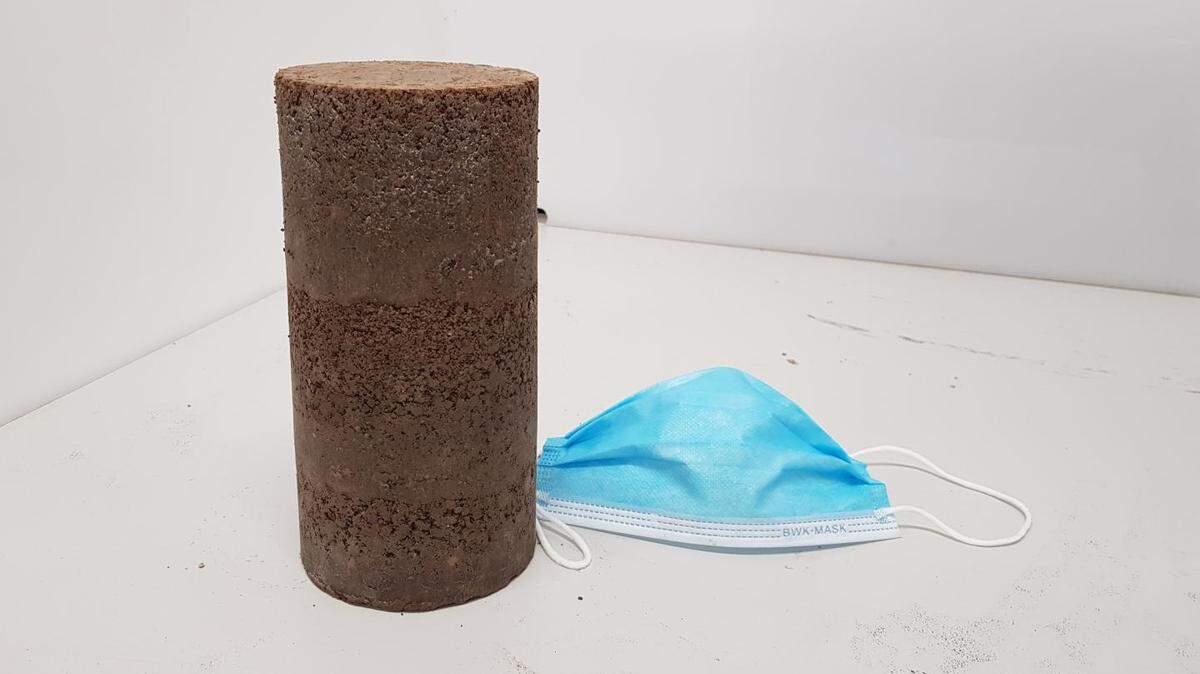
Tangling animals’ legs together, floating across city streets and swimming in oceans after journeying through sewers, face masks have found themselves in just about every nook and cranny of the environment since the pandemic began.
The litter visible today is just a glimpse of what a post-pandemic world could look like, but one team of engineers from Australia propose a solution to the growing waste problem: recycle masks into roads.
Not only would the plan prevent nearly 103 tons of mask waste from ending up in landfills, where they’ll rest for hundreds of years, but it would also help add durability to roads, according to a study published Monday in the journal Science of the Total Environment.
The team says its proposed method of recycling used masks might also apply to other personal protective equipment made of similar plastic materials.
“This initial study looked at the feasibility of recycling single-use face masks into roads and we were thrilled to find it not only works, but also delivers real engineering benefits,” study lead author Mohammad Saberian, an engineering research assistant at RMIT University in Australia, said in a news release. “We hope this opens the door for further research, to work through ways of managing health and safety risks at scale and investigate whether other types of [personal protective equipment] would also be suitable for recycling.”
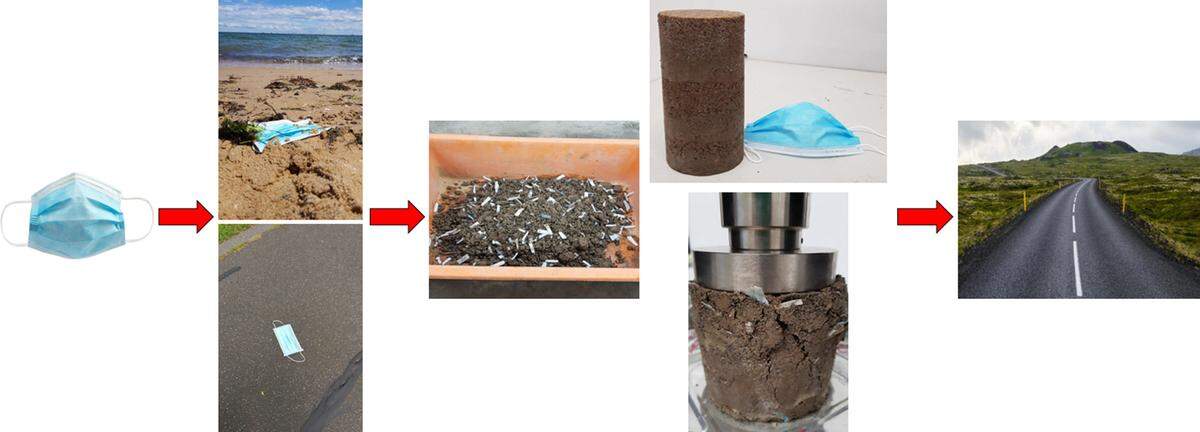
Roads consist of three base layers — a subgrade, base and sub-base — coated with a layer of asphalt.
Technically, chunks of crushed concrete called “recycled concrete aggregate” can make up the three base layers on their own, but the researchers learned that adding pieces of shredded single-use masks in the mix made road material stronger.
In the real world, these roads, or the ghosts of COVID-19’s past, would be more capable of withstanding pressure from heavy vehicles and living longer shelf lives without cracking.
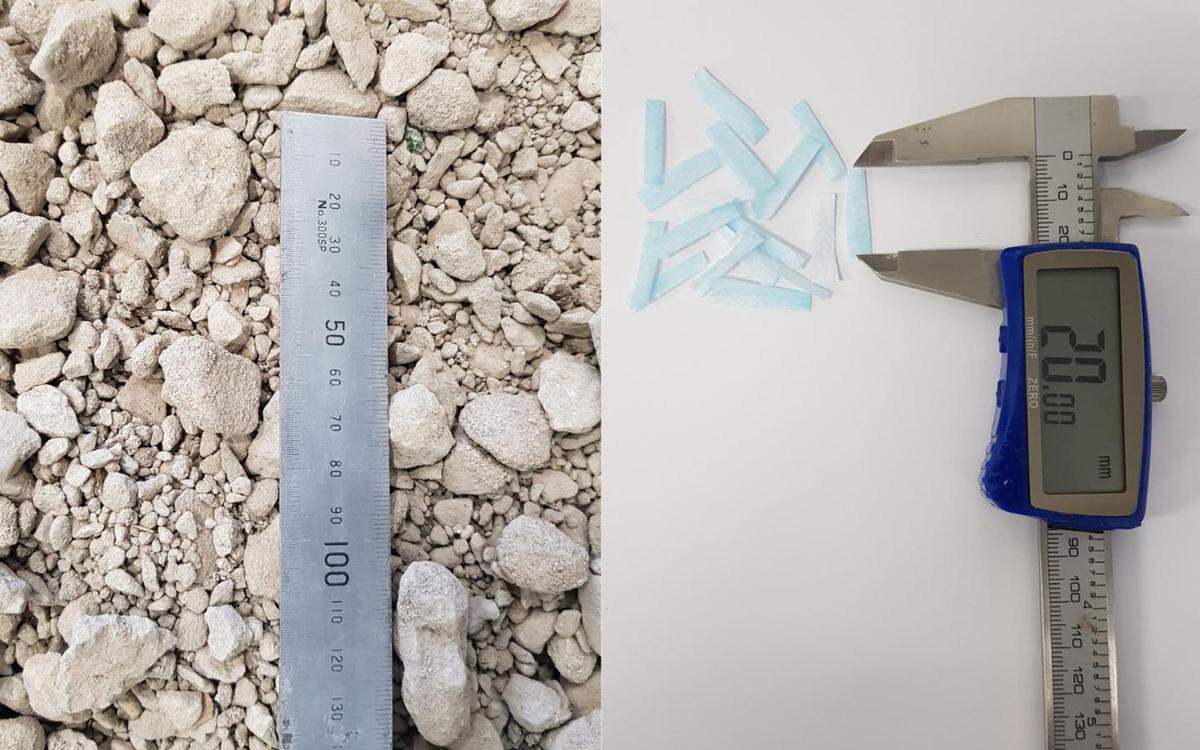
The engineers first removed metal wires and earloops from new surgical masks (used ones couldn’t be used due to potential infection risks) then shredded them into pieces about a centimeter long and wide. They mixed 1%, 2% and 3% of the shredded material into processed building rubble mix and performed standard road tests for stress, acid and water resistance, strength and deformation properties.
Turns out the optimal mixture contained just 1% of shredded masks, according to the study. Adding more of the mask material in the mix decreased strength and stiffness.
These single-use coverings are made of different types of plastics. The mask layer made of polypropylene — a plastic material used to make anything from lunch boxes to prescription bottles — contributed most toward the added strength in the study’s road samples, the researchers said.
Although the team created small slabs of road for their experiment, they say just about half a mile of road would use about 3 million masks, saving about 103 tons of waste from landfills.
The recycling method could also reduce construction, renovation and demolition waste, which accounts for about half of the global waste produced annually, the researchers said.
An estimated 6.8 billion disposable masks are being used each day across the world as the pandemic rages on, according to the study, which even if disposed of properly, will still end up in landfills or be turned to ash. Because they’re made of non-biodegradable materials, they can take hundreds of years to break down naturally.
This means wind and rainwater can easily carry the lightweight masks into city streets, rivers and oceans, where they can hurt wildlife. Over time, they will degrade into microplastics that can travel through food webs and end up where they started — in our hands.
But there’s hope for our post-pandemic planet.
The researchers say there could be other ways to recycle used masks, such as into material for making concrete itself. And given most personal protective equipment is made of plastics, it may be able to be recycled in this manner, too.
This story was originally published February 4, 2021 at 4:50 PM with the headline "Face masks can save lives, but they could also help make roads, study finds. Here’s how."