
When can you get the COVID vaccine in Kansas City? Is it free? Here’s what to know
Every adult in America will soon have to decide: Do I get the COVID-19 vaccine?
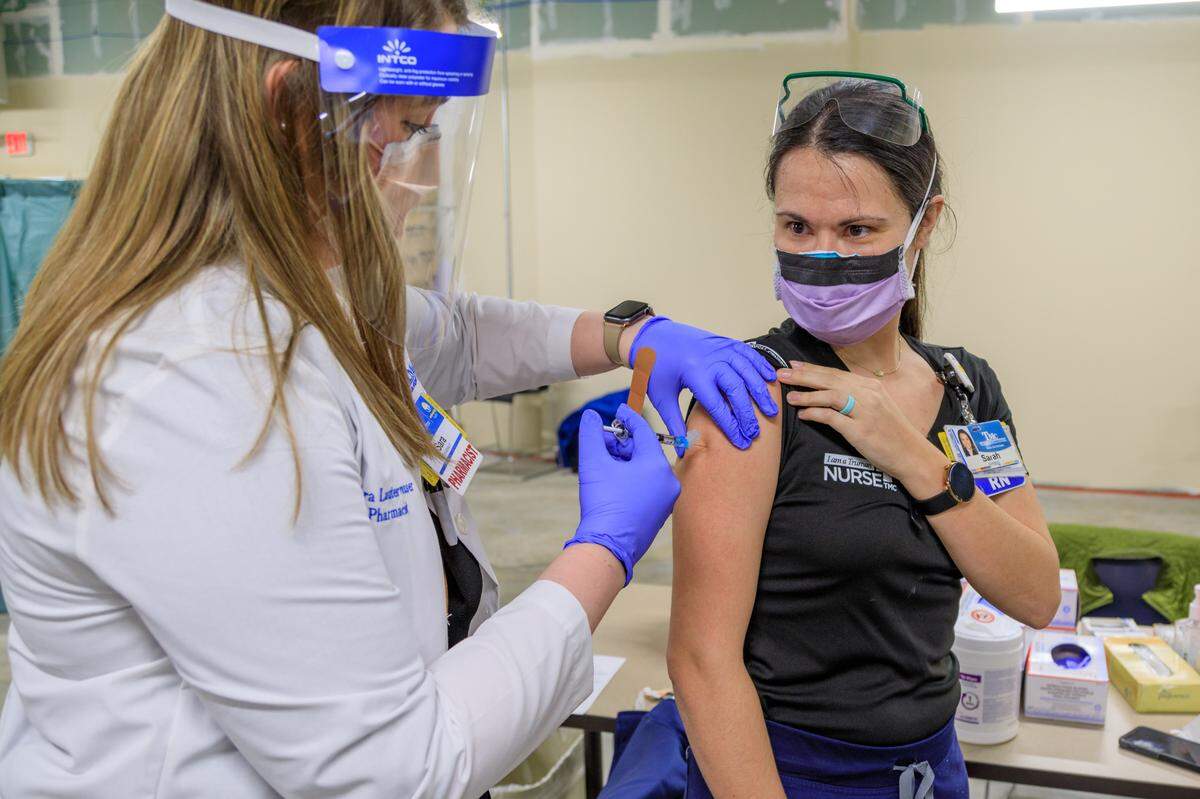
On Monday, Kansas City health care workers began getting Pfizer-BioNTech shots. Nursing homes expect to hear any day now that doses are heading their way for employees and residents.
Many people won’t get their turn until the spring. Should they do it?
Federal and state health officials say absolutely. But they know people have questions and doubts.
Here are some answers, with information from the Missouri health department, University of Kansas Health System, Truman Medical Centers/University Health and the Mayo Clinic.
When can I get the vaccine?
The first thing to remember is that supplies are limited. The general public must wait until late spring or early summer.
In both Kansas and Missouri, front-line workers are getting vaccinated now at hospitals. Very soon, residents and staff of nursing homes and senior living facilities will get theirs, administered by CVS and Walgreens.
Missouri plans to use 70,000 doses of the Moderna vaccine — which is expected to receive an emergency use authorization from the U.S. Food and Drug Administration this week — to begin vaccinating those residents this month.
Next in both states will come other groups deemed high priority, including essential workers and people with underlying health conditions. But those details haven’t been announced yet.
How much will the vaccine cost?
The shot is free, but some health care providers might charge an administration fee, which likely will be covered by insurance. Health officials say no one will be turned away because of inability to pay.
Where will I get the vaccine?
States will decided that, but you’ll probably have access through pharmacies, health clinics, hospitals, doctors’ offices and mobile clinics. Federal and state governments will soon provide direction.
Do hospital staff have to get the vaccine?
They’re encouraged to get it but aren’t required to as long as the vaccines are under emergency use authorization.
Do I have to get two shots?
You will have full protection only if you get two doses.
The two Pfizer shots are given 21 days apart. Moderna is 28 days apart.
When does the vaccine start working, and for how long?
Generally, the vaccine becomes effective six to eight weeks after the first dose. It’s unclear how long the protection lasts, but it could become an annual vaccination like the flu shot.
Because it could take a few weeks for your body to build up immunity to the virus, it is possible to get infected right before or after getting the shot, the Mayo Clinic says.
Are there side effects?
The most common side effects in clinical trials were like the flu shot: pain or redness at the injection site, fever, headache, chills, muscle and joint pain. Most happened after the second dose. And most last no more than three days,
Some hospitals, including Truman, are staggering vaccines to avoid having entire units out of work at the same time should employees have side effects.
How effective are the vaccines?
Early data shows that one week after the second dose, the Pfizer vaccine has an efficacy rate of 95%. That means most people will be protected from becoming seriously ill with COVID-19.
Data about Moderna gives it a 94.1% rate, according to Mayo.
Which should I get, Pfizer or Moderna?
Both appear to be equally effective, health officials say, though more data may come later that some vaccines are better suited for some people than others. But chances are, you won’t get a choice, for now.
Can I stop wearing a mask and, social distancing and washing my hands if I get the vaccine?
No, no, and no.
The last thing health experts want everyone to do is to stop using COVID-19 preventative measures after they get inoculated. The CDC says experts need to learn more about the protection the vaccines deliver and how long that immunity lasts before it changes those safety recommendations.
It’s unknown if people who have had the vaccine can still carry and transmit the virus.
What do Kansas and Missouri say?
The Missouri Department of Health and Senior Services has a fact sheet at MOStopsCovid.com.
The Kansas Department of Health and Environment provides weekly vaccine updates on its website, coronavirus.kdheks.gov.
.jpg)