In Kansas City, coronavirus is hitting black residents in the Third District hardest
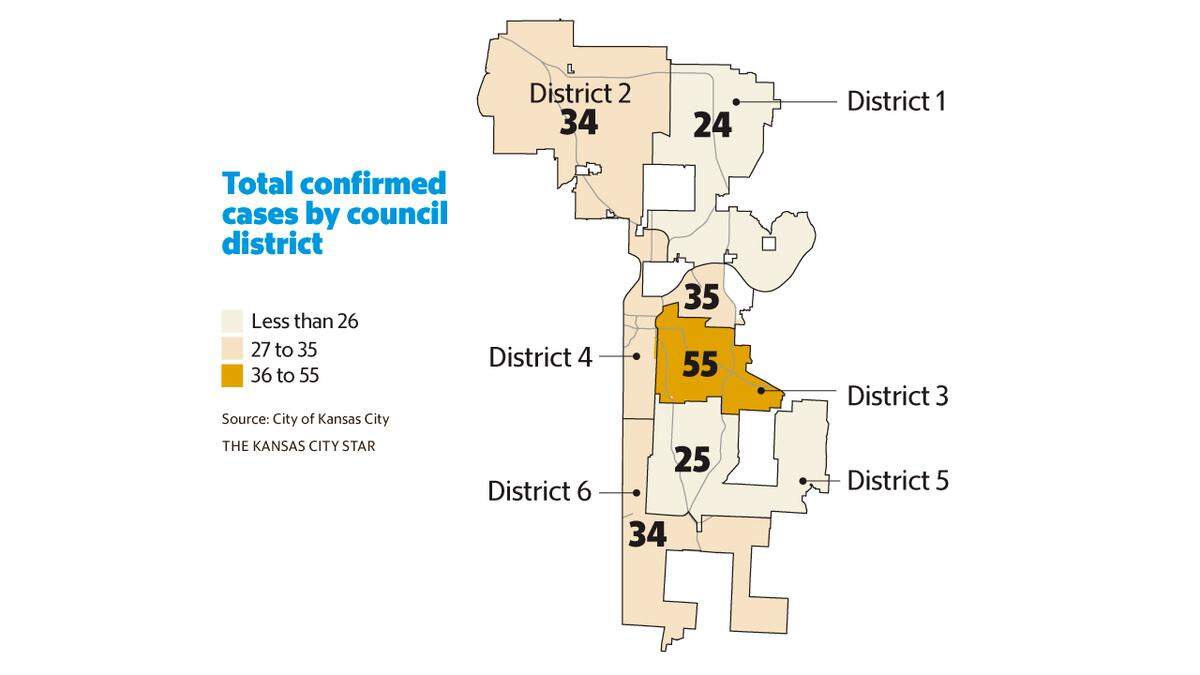
Kansas City’s Third Council District, which is home to a high percentage of black residents, has the most confirmed cases of the new coronavirus, health officials warned Monday night.
The data seems to match indications across the country that the COVID-19 pandemic is hitting black communities harder because of underlying health problems, lack of access to health care and other factors.
The Third District, bounded roughly by Independence Avenue on the north to 51st Street on the south and from Campbell and Troost avenues on the west to Blue Ridge Boulevard on the east, is nearly 60% black. It is among the poorest districts and is beset by high unemployment.
The district has recorded 55 confirmed cases, according to numbers the health department released Monday night. That compares to the Fourth District’s 35, and the Second and Sixth districts which each counted 34.
The city’s Fifth District has 25 cases and the First District has 24.
The health department said in a tweet that it is “not surprised” that the most confirmed cases are in the Third District, which is also where there is a “higher percentage of Black/African American residents with underlying health conditions that make people more susceptible to the virus.”
Mayor Quinton Lucas wrote in a tweet Monday night: “Heartbroken by disparities, particularly in my home district (the 3rd), which reflect what we see too often in our community.”
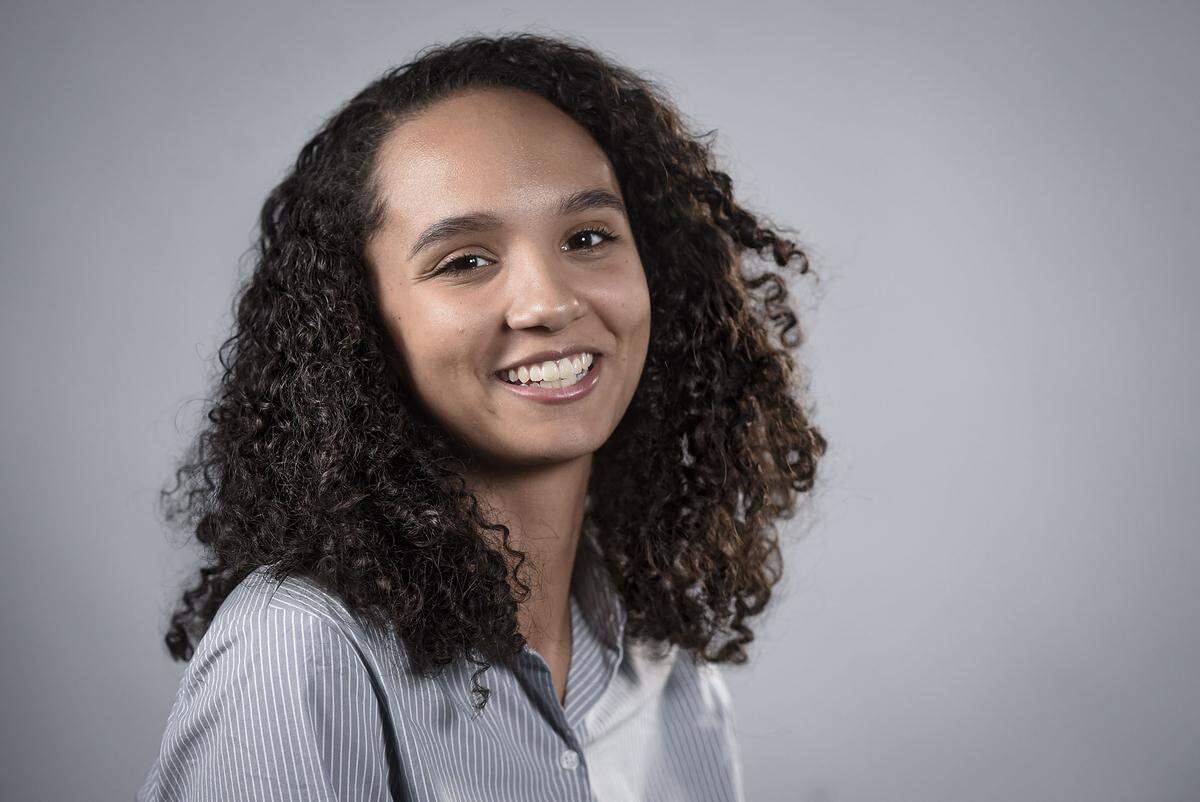
Councilwoman Melissa Robinson, who represents Third District, said a significant portion of her constituents lack proper health insurance, do not have money for frequent visits to their doctor and are among the city’s essential workforce which prevents them from working from home.
“I am not surprised by the numbers,” Robinson said. “Our most segregated, our most economically insecure population is being hit the hardest.”
It is important that state and city health officials set up testing protocols that allow for early, no-cost testing that is easily accessible to the poor, she said.
Robinson said her office has been calling residents in the Third District, and she learned that many of them do not have a plan in place if they develop coronavirus symptoms such as a high fever, respiratory problems and a persistent cough.
“We need to make sure that they have access to early testing and the treatment protocol and that everyone has a plan,” Robinson said.
In portions of the Third District, unemployment hovers around 13%, Robinson said. Unemployment for the rest of Kansas City is around 6%. The Fifth District also has a black population of about 60%.
The numbers released Monday may only provide a glimpse of how significant health disparities are in Kansas City.
“The problem is we still have a feel that at low, 10% of the real cases that are out there, have actually been tested and we know about,” Kansas City Health Department Director Rex Archer said Monday.
“Any conclusions that we make off that data is going to be not just a little suspect but very suspect until we get a better, larger sample size,” Archer said.
Growing numbers
As on Monday, nearly 820 people in the Kansas City region have been infected with the new coronavirus, and at least 22 people have died, according to data compiled by The Star.
Those figures includes data from health officials in Kansas City as well as in Johnson and Wyandotte counties in Kansas and Jackson, Clay and Platte counties in Missouri.
Also on Monday, Missouri health officials reported 212 cases and five deaths in Kansas City, 149 cases and one death in Jackson County, 213 cases and nine deaths in Johnson County and 190 cases and seven deaths in Wyandotte County. In addition, 37 people tested positive for the virus in Clay County and 17 in Platte County.
Johnson and Wyandotte counties have reported the highest number of people to test positive for COVID-19 in Kansas, where state officials have recorded nearly 850 cases and 25 deaths.
On Monday, Jackson County legislators agreed to allocate additional money that targets the budgets of health and public safety agencies on the front line in the fight against COVID-19. Last week, they voted in favor of a $4.5 million aid package to fund health needs related to the outbreak.
National concerns
Nationally, the outbreak of COVID-19 has ravaged black communities. In Louisiana, blacks make up 70% of all of COVID-19 related deaths. Blacks represent roughly 32% of the state’s population.
Civil rights organizations have asked the Centers for Disease Control and Prevention to release a breakdown each day of racial and ethnic demographic data related to COVID-19 testing, cases and patient outcomes.
The Lawyers’ Committee for Civil Rights Under Law cited local health data and news articles that show blacks are being infected and dying from COVID-19 at higher rates. In Milwaukee County, Wisconsin, with 26% of the population black, almost half of the cases are African Americans, ProPublica reported. Blacks account for 81% of the deaths.
This story was originally published April 7, 2020 at 1:15 PM.