Hospital leaders, elected officials sound SOS: Kansas City needs blood, but few donate
READ MORE
Blood shortage in KC
The Star is working to bring awareness about a dangerously low number of blood donations around Kansas City. The newspaper will host a drive with the Community Blood Center on Tuesday, Jan. 24.
Expand All
Going on three years now the Community Blood Center in Kansas City has warned that its blood supply is dangerously and consistently low and that donors are needed, stat. The flow of regular donors dried up when the pandemic shut down the world.
But forgive them if the folks at the blood center feel like no one is listening.
To maintain a healthy seven- to 10-day supply of blood, they need 600 people to donate blood every day at seven locations in the metro. Right now, daily donations are … not that. Donations have tanked across the country.
So for its second #GiveLifeKC public awareness campaign, the blood center basically called in the cavalry Friday — the people who use the blood and local politicians with constituencies that can be tapped.
They challenged Kansas Citians to donate blood every season in 2023, at least four times this year, and recruit others to do the same. (One place to donate: The Star is hosting a blood drive Jan. 24. Details below.)
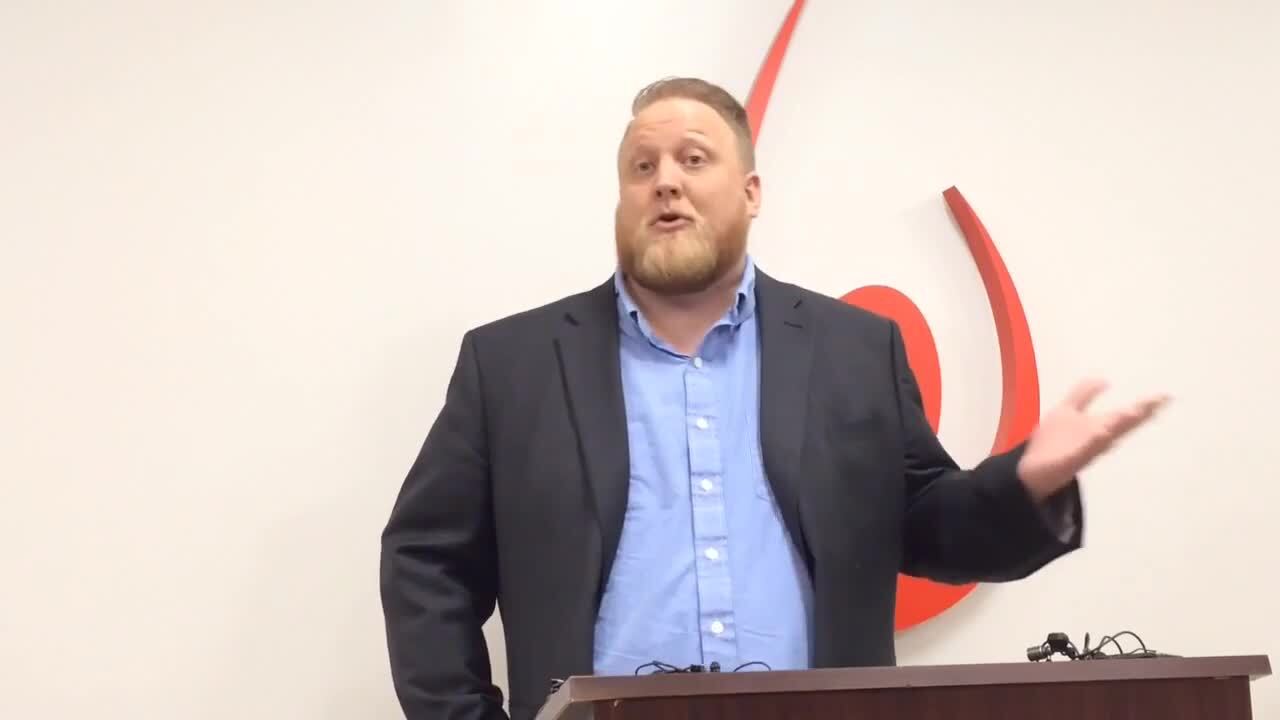
“It is a dangerous position our community is in with this blood shortage,” the CEO of North Kansas City Hospital, Dr. Stephen L. Reintjes Sr., said at a press conference at the blood center’s Main Street headquarters. And he challenged Northlanders to give blood.
One Missouri state representative challenged all local elected officials, on both sides of the state line, to roll up their sleeves.
And another representative decried current Food and Drug Administration recommendations that in effect prohibit men who have sex with men from donating blood.
Dr. Mark Steele, chief clinical officer for University Health, said about 1,300 of the hospital’s patients benefit from receiving blood and blood products each year. As a busy trauma center, the hospital relies heavily on the blood center, he said.
“And many of those patients wouldn’t be alive today if it weren’t for the incredible generosity and goodwill of those who donated the blood,” Steele said.
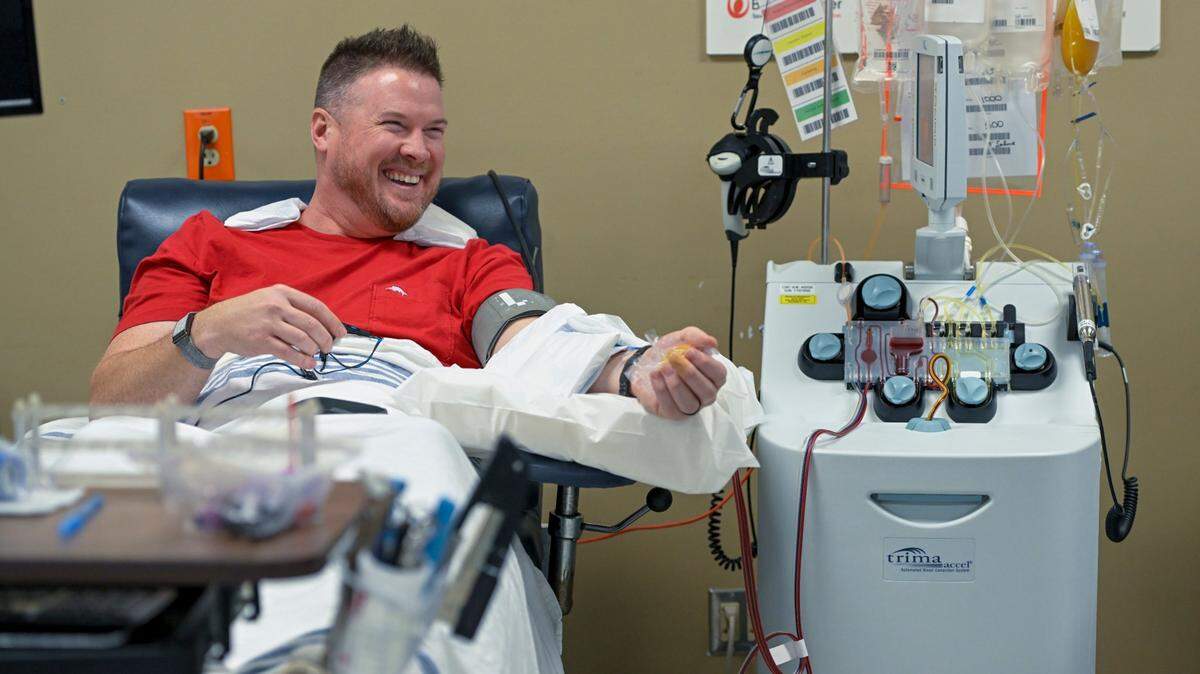
“It’s really easy to do. If you’ve ever gotten your blood drawn, it takes just a little bit longer, but it’s not a big deal. And just a way to give back to the community.”
Center officials hope that adding more voices to the outcry will get people to view the shortage as a Kansas City problem, not just something those folks at the blood center have been going on about for the last three years.
“It already is a community problem. But we’re hoping when we get people onboard to relay this message with us, that people will actually start viewing it as a community problem,” said Chelsey Smith, the blood center’s marketing manager.
“It’s also not lost on us that our community has become a bit desensitized to the blood shortage messaging, as we’ve had to use that a lot over the past several years.
“But we cannot do this without the support of the community. We cannot get out of a blood shortage without blood donors.”
The center is the primary blood supplier in Kansas City, serving more than 60 hospitals in Missouri and Kansas. It’s low on all blood types, Smith said, including Type O-negative which is the most-used, especially in emergencies.
Even though just over 60% of Americans are eligible to donate, only 3% do. “If we increase that number by just 1%, the shortage would end in the country,” said Smith.
Donations from first-timers have declined and are down by 30% among people under 30. “Which does not bode well for the future of blood supply,” Smith said.
When COVID hit, shutting down schools and workplaces, blood centers lost the places they relied on to host blood drives, and it’s been difficult to get back into that routine with so many people still working remotely.
And who knows how many people from the LGBTQ community would like to donate blood, but aren’t allowed.
Missouri Rep. Patty Lewis of Kansas City recognized that “not everyone can donate blood for various reasons, including bisexual and homosexual men, due to some outdated regulations by the FDA.
“The community blood center, along with several of us in this room, are calling for a change to update the regulations.”
Current FDA guidance says men who have had sex with another man during the past three months cannot donate.
The blood center, which does not support but most follow that regulation, had postcards on hand that people can send to the FDA urging it to allow gay and bisexual men “to save lives by giving blood.” The front of the postcard, decorated in rainbow colors, reads: “We all bleed the same.”
Missouri Senator Greg Razer of Jackson County also condemned the regulations. As an openly gay man, he cannot donate blood.
“I represent 180,00 people, 62% of which are eligible to give blood,” Razer told The Star. “I want to ask those 62% to come and give blood on my behalf, because I can’t do it. I’m banned from doing it.
“Come here to 4040 Main Street, walk in the door … give blood, for me, because I can’t. Whether you voted for me or not.”
The Star is hosting a blood drive
The Kansas City Star is hosting a blood drive in partnership with the Community Blood Center on Jan. 24.
It will take place from 11 a.m. to 3 p.m. in the conference room at 2460 E. Pershing Road near Crown Center and across from Spokes.
The Star will provide parking vouchers for all donors. You can sign up for an appointment via savealifenow.org/group and enter the group code: 4K. Each appointment is scheduled to take 15 minutes.
The center’s regular donation sites include:
- Olathe Entertainment District, 16465 W. 119th St.
- Times Square Shopping Center, 10568 Metcalf Ave., Overland Park
- 1124 S.W. U.S. Highway 40, Blue Springs
- 7265 N. Oak Trafficway, Gladstone
- 4040 Main St.
This story was originally published January 6, 2023 at 4:41 PM.
.jpg)