
Will breast cancer deaths rise? Too many women skip screening amid COVID, experts say
Health officials watched breast cancer screenings drop off as much as 80% during the pandemic. Now they’re worried that those missed opportunities could result in needless deaths numbering in the thousands as diagnosis and treatment are delayed.
The pandemic’s impact on screenings, diagnoses and chemotherapy treatment could lead to nearly 2,500 excess breast cancer deaths by 2030 in the United States, researchers predicted in a report published in the Journal of the National Cancer Institute.
The American Cancer Society has warned for months that screenings for many types of cancers plummeted during the pandemic, when screening sites closed early on, stay-at-home orders went into effect and people stopped going to their doctors out of fear. Some of those patients have yet to return.
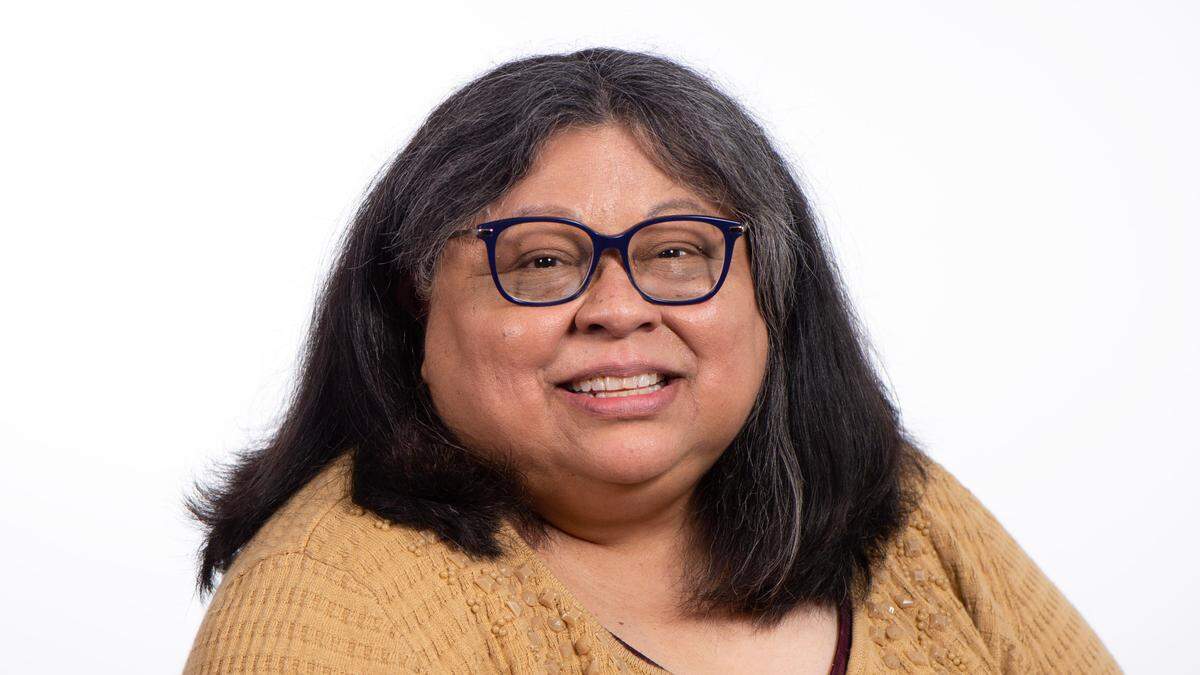
“Early on in the pandemic, patients didn’t know what was safe to do. We were told to stay inside and mask and distance and pretty much not go anywhere for the first couple of months,” radiation oncologist Dr. Lori Lindstrom said during The University of Kansas Health System’s daily briefing Tuesday.
“And so a lot of women were late or skipped 2020 to get their mammograms completely. So now … I see a lot of patients in clinic that say, ‘I didn’t go last year because of COVID and now I’m here and have breast cancer.’
“So our hope, or our message, is don’t skip your screenings … breast cancer is best treated and cured when it’s found early.”
In April 2020, breast cancer screenings provided to women by a Centers for Disease Control and Prevention early detection program dropped 87% compared with the five-year average for that month. Cervical cancer screenings dropped 84%.
Screening statistics in Kansas City were similarly low early on in the pandemic, according to Blue Cross and Blue Shield of Kansas City, though recently rates have been returning to normal levels.
The CDC found that screenings fell dramatically for women of color. Breast screenings dropped 84% among Hispanic women and a shocking 98% among American Indian/Alaskan Native women.
“This study highlights a decline in cancer screening among women of racial and ethnic minority groups with low incomes when their access to medical services decreased at the beginning of the pandemic,” said Amy DeGroff, CDC health scientist and the study’s lead author.
COVID-19 continues to reveal the nation’s grave health disparities. Black women are less likely to develop breast cancer, but they’re 40% more likely to die from it compared to white women.
Cancer screening of older, low-income women also dropped off in many parts of the country. Health officials worry that delayed screenings will be especially harmful to women already experiencing many health inequities, including later diagnosis of their disease than white counterparts.
Long-term effect on cancer deaths
Every year the American Cancer Society estimates the number of new cases and deaths for the country and each state.
Missouri, for instance, is expected to see 5,490 new cases of female breast cancer this year; 2,380 in Kansas. That’s in line with 2020 projections.
The national cancer death rate has fallen 31% from a peak in 1991 through 2018, largely due to people quitting smoking and better ways to treat cancer and detect it early.
In 2021, 1.9 million new cases of all types of cancer and 608,570 cancer deaths are projected in the United States, similar to 2020 projections. added But the full effect of the pandemic remains unclear.
“We’ve been seeing a long-term decline in cancer mortality. So I’m not sure that we would see a flattening or an increase in mortality,” cancer epidemiologist Rebecca Siegel and lead author of Cancer Statistics 2021, said earlier this year.
“But perhaps it would dampen the progress that we have been seeing. But there’s just no way to know. That won’t be quantified for several years. But a lot of people are making predictions.”
She said the National Cancer Institute has predicted a 1% increase in cancer mortality for breast and colorectal cancer over the next 10 years, “which seems small, in terms of a percentage, but what that translates into is 10,000 excess deaths over the next 10 years.”
Blue Cross reports that health care organizations are encouraging women to get back to their regular screenings by trying to make the process easier — same-day scheduling, calls and texts to reassure patients COVID-19 protocols are still being followed.
Some local hospitals have joined the American Cancer Society’s “Return to Screening” campaign to encourage women to get those mammograms they might have missed during the pandemic and to get back into the routine.
Breast cancer screening guidelines vary, depending on what health organization is offering them. Nearly all suggest women consult with their health care provider. The CDC has a chart comparing the various guidelines on its website.
For women at average risk for breast cancer — who have no personal history or strong family history of the disease, and no genetic mutation known to increase risk — the American Cancer Society recommends that women 45 to 54 get a yearly mammogram and that women 40 to 44 have the option to start yearly screenings.
Women 55 and older can switch to mammograms every other year, the society says, or can choose to continue yearly screenings.
The recommendations differ from the U.S. Preventive Services Task Force, a group of physicians and disease experts that makes recommendations on avoiding diseases or finding them early.
That group recommends that women 50 to 74, at average risk for breast cancer, get a mammogram every two years. And women 40 to 49 should talk to their doctor or other health care professional about when to start and how often to get a mammogram.
Lindstrom emphasized the importance of regular screenings.
“Because we still don’t know exactly how to prevent breast cancer in general and we know some things about diet and exercise and things like that. But a lot of it is out of our control,” she said.
“The older we get as women, the higher risk we are. So doing your screening exams is so important because that allows us to find cancers when they are truly really small. I tell patients that gives you a whole menu of options as to how to best treat it.”
Where to get a free or low-cost mammogram
Most health insurance covers the full cost of a basic mammogram. But if you don’t have insurance, you have options:
▪ This month, Swope Health is offering $25 walk-in mammograms for women ages 50 and older. No appointment, insurance or doctor’s order required. 9 a.m. to noon every Tuesday and Thursday at Swope Health Central, 3801 Dr. Martin Luther King Jr. Blvd. 816-923-5800.
▪ In Missouri, the Show Me Healthy Women program offers free breast and cervical cancer screenings for low-income women age 35 to 64 (or older if they don’t have Medicare Part B) and don’t have insurance. A map of providers is at health.mo.gov. 866-726-9926. Local sites listed on the website include the Jackson County Health Department, University Health (formerly Truman Medical Centers/University Health) locations, KC Care Health Center and Samuel U. Rodgers Health Center.
▪ In Kansas, the Early Detection Works program — kdheks.gov/edw — provides free and low-cost breast and cervical cancer screenings. Women 40 to 64 who do not have health insurance and don’t exceed income guidelines can receive breast screenings. 877-277-1368.
▪ The Unified Government of Wyandotte County and Kansas City, Kansas health department’s Pink the Dotte program offers free screenings to eligible women through the state’s early detection program. 913-573-8855.
▪ The American Cancer Society provides a link to find a health center near you that offers low-cost or free cancer screenings with no insurance required. findahealthcenter.hrsa.gov.
.jpg)