
‘We hope this helps’: Kansas City COVID-19 patients can now get plasma from survivors
Kevin and Leslie Hachinsky have found the silver lining of their headline-making cruise-gone-bad aboard the Grand Princess, where they were both infected with the new coronavirus.
The husband and wife have been holed up at home south of Olathe since March 16, the day a Kansas Highway Patrol trooper escorted them from Kansas City International Airport to their driveway to begin quarantine.
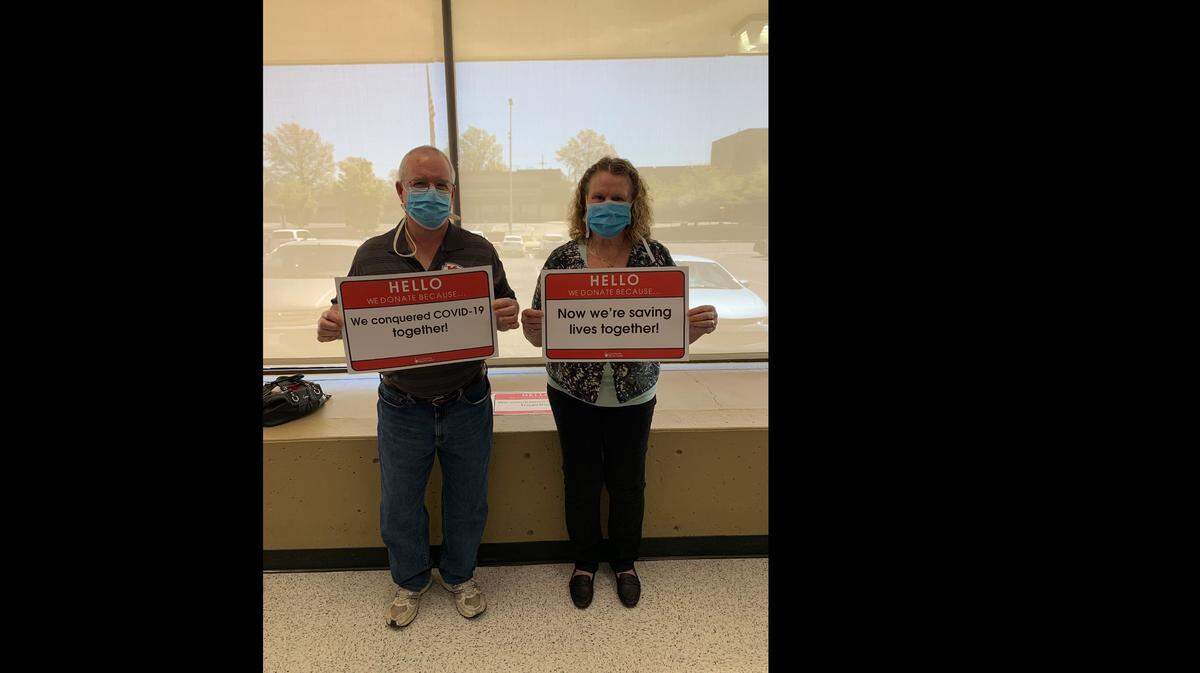
On their first big outing last week, they donated plasma at the Community Blood Center of Greater Kansas City — and they plan to do it again.
The phone company retirees, became the first local donors for an experimental approach underway at hospitals in Kansas City and across the country.
Severely ill patients are receiving transfusions of blood plasma from people like the Hachinskys who have recovered from COVID-19. The hope is that the antibodies in the donated plasma — called “convalescent plasma” — will help patients fight off the virus and recover faster.
“We thought all along we were put in this position for some reason. And it’s been real hard to figure out what that is,” said Kevin Hachinsky, of Linn Valley, Kansas.
“And when we saw that we could donate blood plasma and possibly help somebody who was very sick … that’s why we responded to do this.”
The Mayo Clinic is leading the project, sanctioned by the U.S. Food and Drug Administration. Conclusions about how well it works won’t be available soon, said a Mayo spokesman, and that information might come from the FDA.
“We don’t have much else to offer, so it’s one of those things that people are ready to sign up for,” said Dr. Larry Botts, chief medical officer for AdventHealth Shawnee Mission, which has given this type of plasma to four COVID-19 patients since April 12.
The University of Kansas Health System also plans to use the plasma on COVID patients.
It took a team at Research Medical Center more than three weeks of hustle, phone calls and creative use of connections within the vast HCA Healthcare system to find the plasma to treat its first patient about a week ago. The plasma came from a recovered patient in New York City, one of the epicenters of the outbreak
Kansas City’s Community Blood Center is promoting the project on its social media channels.
The national appeal for plasma has caught the eye of celebrities who have recovered from the virus.
Last week CNN anchor Brooke Baldwin wrote on Instagram that she is “virus free” now and “would like to DO SOME GOOD as a result of this: ideally donate my plasma to those who are very sick.”
“Hawaii Five-O” actor Daniel Dae Kim posted a photo of himself donating plasma on his Instagram, too. He announced last month that he had tested positive for coronavirus.
“Glad to be able to donate in the hopes that the antibodies I’ve built up will help others in their fight against #Covid19,” he wrote.
“There is nobody more motivated than someone who has risen like Lazarus having faced death straight in the face,” said the blood bank’s medical director, Dr. Jed Gorlin.
“Obviously, most of our donors were not the ones who were critically ill ICU patients. But if you can help prevent, or at least mitigate, make less severe, someone else’s illness, boy, there’s no one more motivated.”
Gorlin emphasized, “We can make no efficacy claims. We hope this helps. We have reason to think it helps. But until there are well-designed control trials, we can’t prove it.
“That said, the reason we vaccinate you is to make antibodies. So hopefully, transferring antibodies from somebody who’s already recovered to somebody who hasn’t had a chance to make it themselves seems like a logical first step.”
‘Heat-seeking missiles’
This might be a new way to treat COVID-19 patients, but historically, doctors “have used antibodies from the blood of recovered patients as a treatment for infections when vaccines or other medications weren’t yet available,” the Mayo Clinic says.
Convalescent plasma has been used to treat patients during outbreaks of other types of coronavirus, including SARS-1 and MERS.
Initial data from life-threatening cases of COVID-19 “indicate that a single dose of 200 (milliliters) showed benefit for some patients, leading to improvement,” the clinic’s website says.
“The theory is patients who have been previously exposed to COVID, most of them will have mounted a sufficient immune response, and part of that immune response is the production of antibodies,” said Dr. Joe Restivo, medical director of transfusion medicine at Research.
“Antibodies are small molecules … kind of like heat-seeking missiles that home in and tag the virus for destruction by other parts of the immune system.”
It takes the body “usually two to three weeks to begin producing antibodies to fight off a new infection,” Restivo said. “If we can give the convalescent plasma early, we’ll provide antibodies before the patient’s body will be able to make them. It will give their immune system a jump start. That’s the theory.”
Restivo and Dr. Marjorie Wongskhaluang, an infectious disease specialist at Research, were ready to start using the plasma several weeks ago. Health care providers in the family of a COVID patient at Menorah Medical Center broached the idea of trying the experimental treatment on their loved one.
“They had done some research and knew that their family member was in critical condition and were reaching for anything that they could possibly find,” said Wongskhaluang.
But they couldn’t find the plasma. And they needed it quickly.
“Locally, the community blood center was not yet collecting this,” said Restivo. “The Red Cross was having us send donors to Columbia, Missouri. So there was a virtual convalescent plasma desert in the Kansas City metro for the last few weeks. But that didn’t stop us, we just kept pushing and tried to find a way to work around it.”
Restivo started making phone calls. So did members of the patient’s family, who managed to find donors willing to travel to Columbia from across the country, if need be.
“I basically called every donor center I could think of. My specialty is in blood bank and transfusion medicine, so I know some people across the country,” said Restivo. “So I was making phone calls, cold-calling every day, trying to find someone to give us some plasma.”
But he wasn’t the only one desperately seeking plasma for COVID patients. “Many people weren’t willing to cooperate with us because they had their own hospitals that were clamoring for the product. They had all this demand and not enough supply.
“Eventually we re-established a contract with the Community Blood Center of Kansas City, and they are owned by the New York Blood Center.”
That’s how the plasma they wanted finally arrived, from a New York survivor.
They’ve treated a second patient at Research since then and now have several patients waiting. HCA Midwest Health, which operates both Research and Menorah, set up a hotline for anyone wanting information about their study: 833-582-1971.
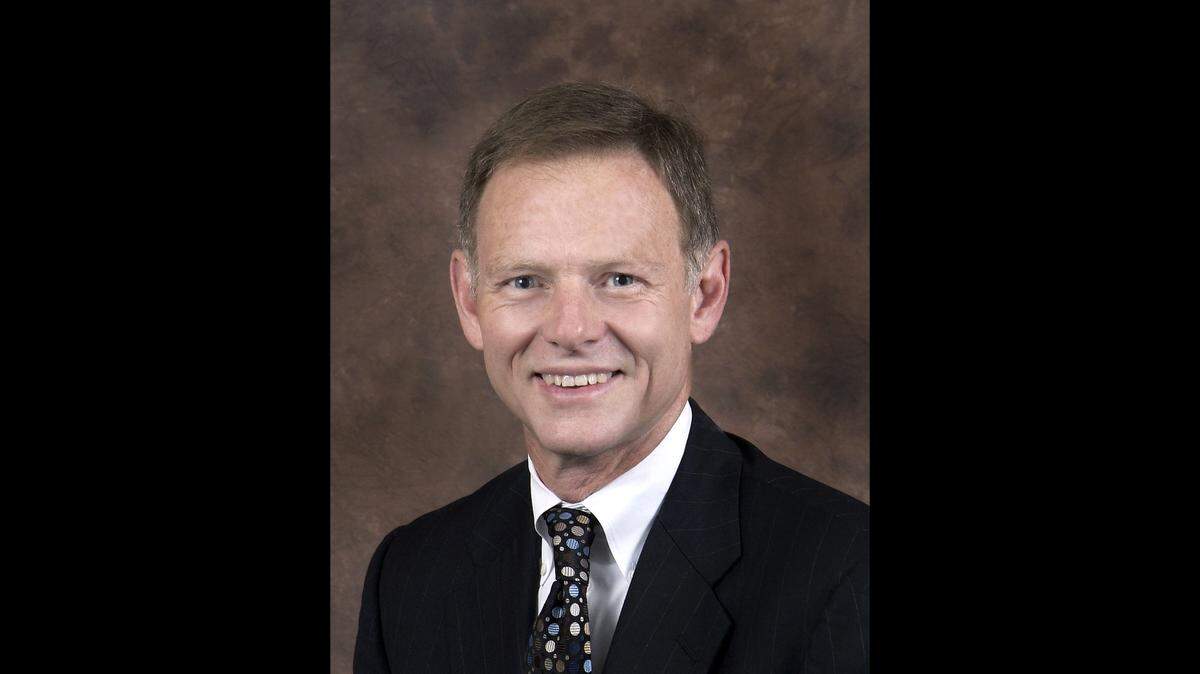
AdventHealth Shawnee Mission has seen “some improvement” in patients treated with plasma there, said Botts, who cautioned it’s too early to make conclusions.
Doctors are working against the clock. Even one day can make a life-or-death difference for patients struggling against a disease that is savaging many organs, not just the lungs, in the most critically ill.
In many severe cases, “they get lots of little clots in their lungs and other organs, perhaps in their brain as well,” said Restivo.
“We see patients with altered mental status, decreased kidney function, gastrointestinal dysfunction, as well as lung dysfunction.
“If we can give this convalescent plasma earlier — and again this is an experimental therapy — but we think by giving it early we can prevent a lot of those complications, and save them from the very prolonged hospital course, save them from potentially needing dialysis in the future, save them from being on a ventilator and all the complications that come from that.
“So time is of the essence.”
The patient at Menorah, who is still in ICU, continued to show signs of improvement over the weekend. The patient needed less oxygen, ”nearly half of what he required prior to the plasma transfusion,” said Wongskhaluang — developments that offer hope that the treatment will work.
On Sunday, in a statement released through HCA, the patient’s family thanked staff and physicians at Menorah and Research for their collaboration, and to the donor “who gave plasma, as well as the many people who donated in hopes of being a match for our loved one.”
“We believe in our hearts this accelerated the progression of his recovery. We urge anyone that has recovered from COVID-19 to donate their plasma in hopes of helping someone who is battling this virus. Words cannot express the gratitude in our hearts for the people who played a role in saving our loved one’s life.”
‘The local stuff’
The Community Blood Center in Kansas City has provided about 30 units of plasma to local health care providers, all “imported from the New York blood center,” Gorlin said. “But now we can share the local stuff.”
The center began taking local donations last week.
“It wouldn’t have made any sense to do any collections before this,” he said. “You have to be completely recovered for two weeks, and the first cases (in Kansas City) were around the early part of March. So there weren’t any significant number of recovered donors in the KC area until the last several weeks.”
Plasma donations will be accepted from people who have tested positive for COVID-19 and have been symptom-free for 14 days.
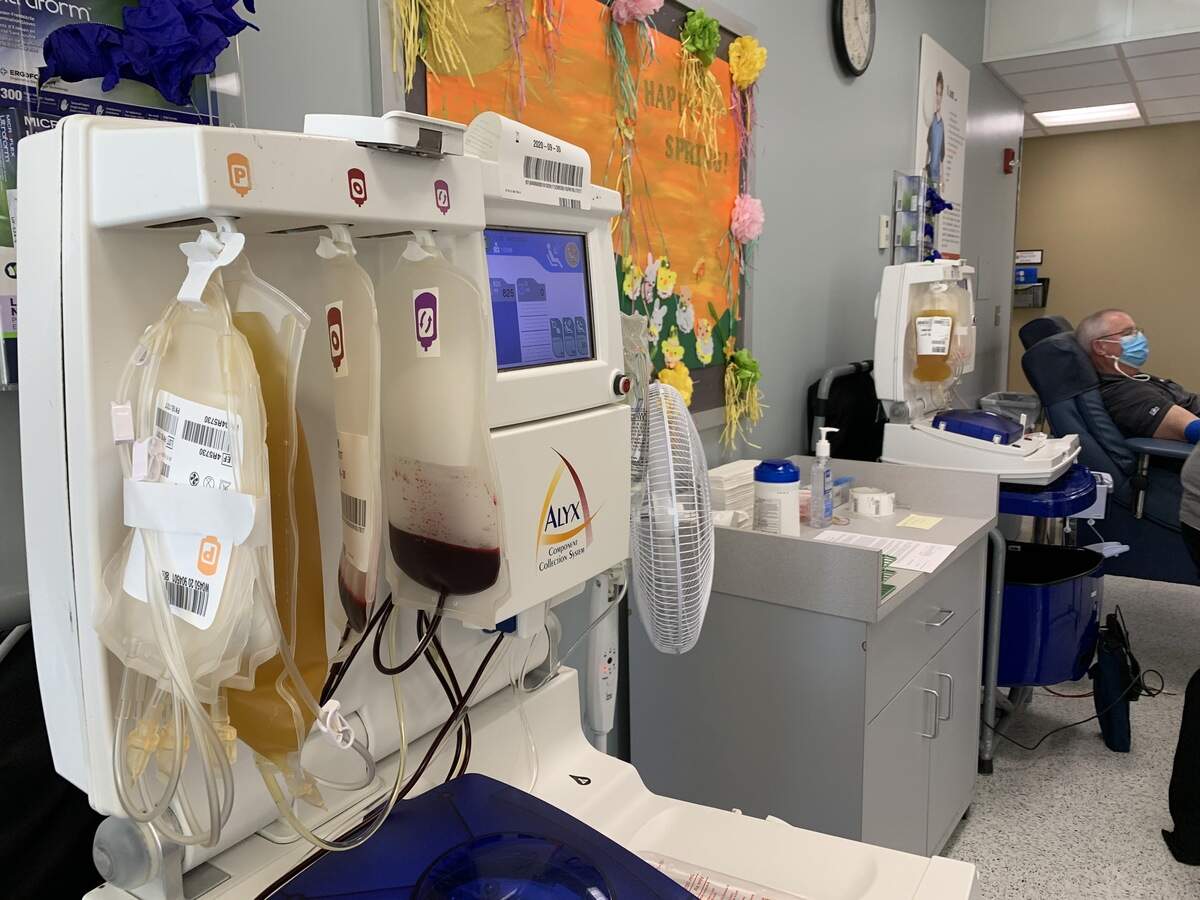
The blood center says one donation can be used to treat two to three patients, and donors are allowed to donate four times, Gorlin said. “So one donor can really help a lot of people.”
From start to finish, the process takes about an hour and a half, about 30 minutes longer than giving blood, said Gorlin. The actual “sitting in the chair, with a needle in your arm, is under 45 minutes,” he said.
Kevin and Leslie Hachinsky were the first recovered COVID patients to donate at the Kansas City center.
The process was way easier than what they endured during and after their Grand Princess cruise through the Hawaiian islands. The trip became an international story when passengers onboard got sick with the coronavirus.
They set sail from San Francisco on Feb. 21, and the cruise itself was great, said Leslie Hachinsky. “It was the last four days of the cruise that things kinda fell apart. We’ve done this cruise before, the same itinerary, three years ago.”
The Kansans were among hundreds evacuated from the ship and quarantined at Marine Corps Air Station Miramar in San Diego in early March. They were tested on March 15. Leslie’s came back positive a week later.
Kevin had to wait even longer and didn’t get a phone call until March 25, when they were already home in Kansas, that he was positive, too.
In San Diego they signed federal quarantine papers, which Kevin described as “pretty strict. They explained you break quarantine, there are fines and other things involved.”
They signed new quarantine papers from the state of Kansas when they landed at KCI on March 16 — thus the reason for a state trooper following them home.
They spent the last few weeks relying on the kindness of family — their daughter has been dropping off groceries — and even the local sheriff’s department, which delivers groceries to residents who are at risk for the virus.
The highlights of their last month: getting one of those swabs stuffed up their nose for a test at their local health department, and the trip to the blood center in Kansas City “to have blood pumped out of you,” said Kevin.
They were shocked when they tested positive for COVID because neither suffered any symptoms.
“So that’s what’s scary to us,” said Leslie. “That is the main reason that spurred us to donate plasma, is that there are probably other people out there, like us, who are positive with no symptoms who are spreading the virus.
“Maybe the person who is spreading it isn’t suffering, but they give it to someone who will. And it’s an awful way to die.”
Not everyone will qualify to be a donor, said Gorlin, which is why the blood center needs to get as many recovered COVID patients as it can to sign up. Appointments are needed — no walk-ins allowed — so donors can be safely stationed apart in this time of social distancing.
And if you haven’t had COVID, Gorlin said, consider making an appointment to donate blood. The blood center canceled all its blood drives weeks ago, and it’s unclear how long local supplies will last.
“Right now our inventory is fine,” he said. “But the end of April, May … this is going to drag on. This is a marathon, not a sprint.”
.jpg)