
Obama pushes to stop corporate overseas tax moves
The Obama administration is urging Congress to act swiftly to curtail a growing trend in which U.S. corporations reorganize overseas with foreign entities in part to trim their tax bills back home.
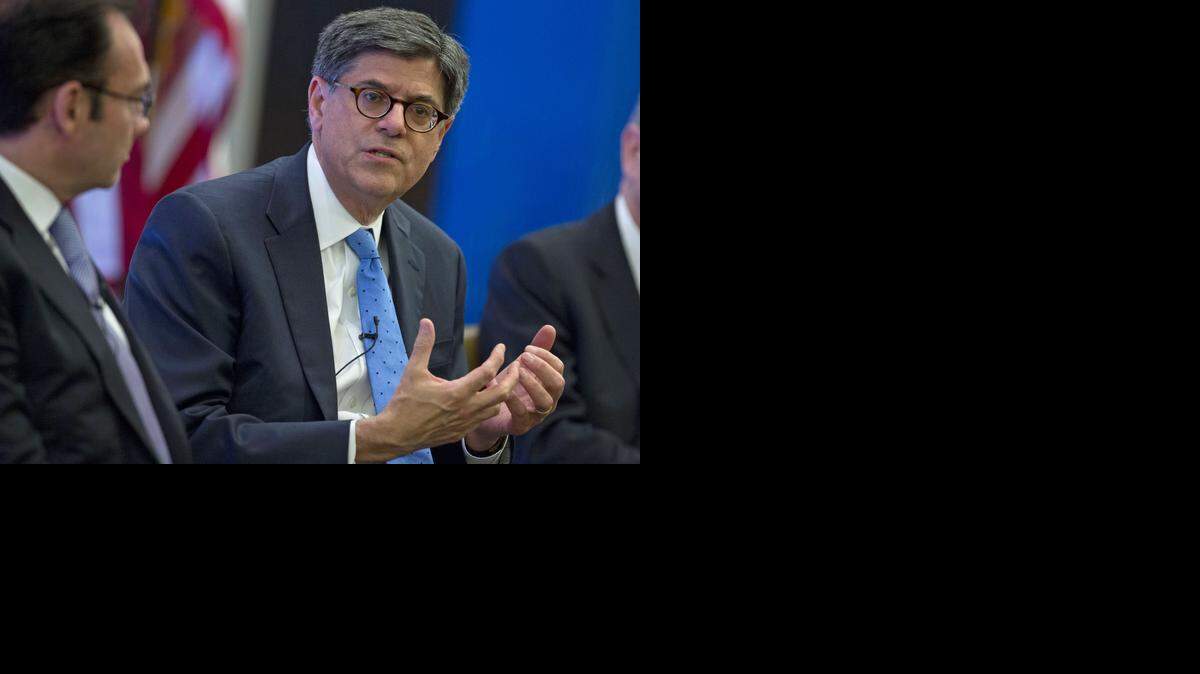
Treasury Secretary Jacob Lew told House and Senate leaders in a letter that such deals, known as inversions, “hollow out the U.S. corporate income tax base,” and Congress should immediately enact legislation retroactive to May that stops the practice.
“We should not be providing support for corporations that seek to shift their profits overseas to avoid paying their fair share of taxes,” Lew said in the letter dated Tuesday.
A total of 47 U.S.-based companies have combined with foreign businesses over the past decade in inversions, according to the Congressional Research Service. Several more are planning or considering the move, including Walgreen Co., which runs the nation’s largest drugstore chain.
Inversions enable U.S.-based multinational companies to lower their tax bills by combining with a foreign company and reorganizing in a country with a lower tax rate. At 35 percent, the United States has the highest corporate income tax rate in the industrialized world, though various deductions make the average rate paid much lower. The U.S also taxes income earned overseas and then brought home.
Inversions can take place if shareholders of the foreign entity involved retain more than a 20 percent ownership in the newly merged business. Legally, the foreign company might acquire the U.S. business or the two create another entity. But the U.S. company often maintains both its corporate headquarters and control of the company.
Senate Majority Leader Harry Reid said he wanted to advance legislation proposed by Senator Carl Levin of Michigan and that it’s taken too long already.
Lew said the best way to address inversions is through reform that “lowers the corporate tax rate, broadens the tax base, closes loopholes, and simplifies the tax system.”
“But, even as we work to do that, we should prevent companies from effectively renouncing their citizenship to get out of paying taxes,” he wrote.
Sen. Orrin Hatch, a Utah Republican, said Lew was correct in that Congress needed to lower the “burdensomely high corporate tax rate.”
“However, it is misguided to think a short-sighted patch aimed only at alleviating a symptom of the broader problem will prevent companies from leaving the country,” Hatch said in an emailed statement. “What’s more, this short-sighted patch could ratchet up the tax baggage U.S. companies carry and make them more attractive for foreign takeovers.
“Congress should be focusing on reforms that make it more attractive for companies to stay within the U.S., not those that make it more difficult to leave.”
Democrats in the House and Senate have introduced bills to reign in inversions. In addition, the Obama’s 2015 budget contained a proposal to curtail the move.
“Short of undertaking comprehensive business tax reform, there are concrete steps that Congress can and should take right now,” White House spokesman Josh Earnest said Wednesday. “You can expect that this is a topic you will continue to hear about more from the president in the weeks ahead.”
The election year push to make corporate tax changes is unlikely to succeed in the divided Congress. But closing corporate loopholes has been a key feature of Obama’s economic message and serves as one way for Democrats to draw contrasts with Republicans.
This story was originally published July 16, 2014 at 4:35 PM with the headline "Obama pushes to stop corporate overseas tax moves."