
Fannie Mae official details plans on low down payment mortgages
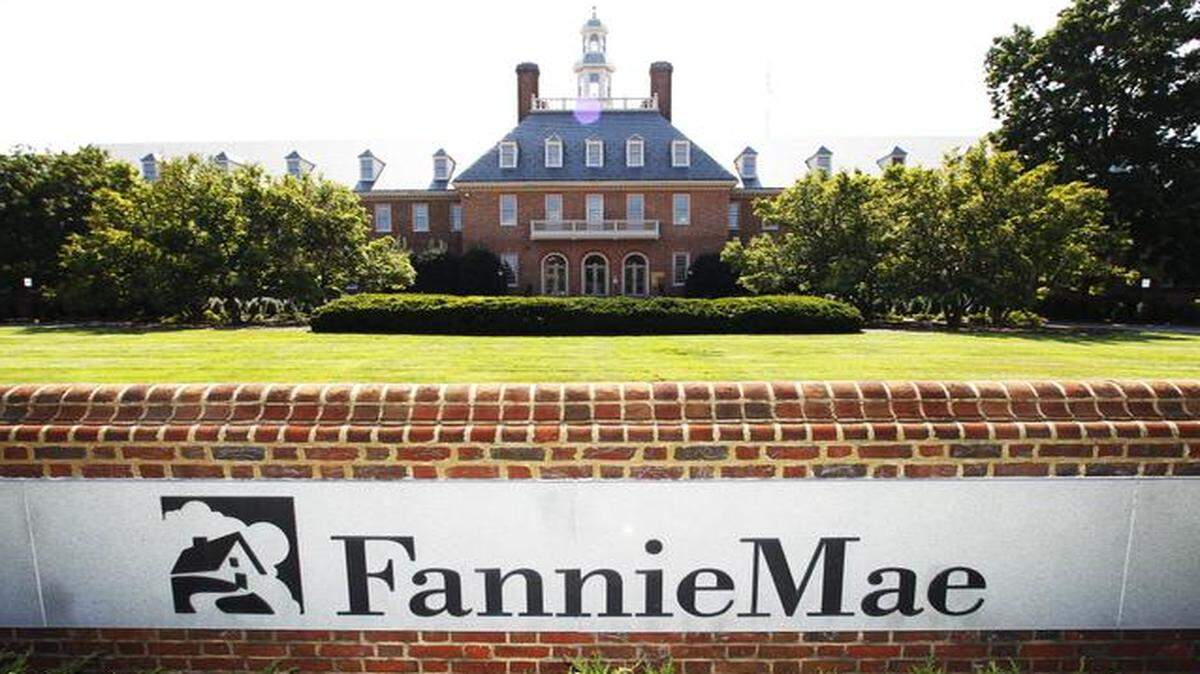
Seeking to bring more people into the housing market, the government said last month that it planned to expand the availability of mortgages with low down payments.
On Thursday, the chief executive of Fannie Mae, the largest government mortgage entity, provided some crucial details on what the program would look like.
In an interview, the executive, Timothy J. Mayopoulos, said he expected Fannie’s low down payment mortgages to cost the borrower less than similar loans available under certain other government programs. But he also said Fannie’s loans would require private mortgage insurance on top of the down payment, a stipulation that might, in theory, limit the size of the program.
Fannie Mae and Freddie Mac, another large government-backed entity that guarantees mortgages, are regulated by the Federal Housing Finance Agency. Under its director, Melvin L. Watt, the agency recently has taken steps that aim to ease the flow of housing credit. Since the financial crisis of 2008, some 80 percent of mortgages have had some form of taxpayer guarantee. In other words, banks still make mortgages, but they turn around and sell most of them to bond investors with a government backstop attached.
Most of that backstop comes from Fannie and Freddie, which typically only guarantee mortgage amounts that are equivalent to around 80 percent of the value of the underlying house. As a result, borrowers who take out loans backed by Fannie and Freddie often need to have the cash to make a down payment of some 20 percent of the value of the house. But thousands of potential borrowers struggle to amass the savings to make a down payment of that proportion, and they therefore fail to qualify for loans backed by Fannie and Freddie.
As part of a wider effort to increase the flow of housing credit, Watt said last month that he wanted Fannie and Freddie to back loans with down payments as low as 3 percent of the value of the home. He called that effort a “much-needed piece to the broader access to credit puzzle.”
Watt, however, seemed to tamp down expectations about the down payment efforts, saying they were narrower initiatives than other things the housing finance agency was doing to prompt more mortgage lending. The biggest measure was a relaxation of the terms under which the government can make banks take back soured mortgages.
Right now, borrowers can apply for low down payment loans that are backed by another arm of the government, the Federal Housing Administration, which backstopped nearly 14 percent of mortgages made this year, according to data from Inside Mortgage Finance. But FHA loans typically cost borrowers substantially more than loans backed by Fannie and Freddie. Asked whether Fannie’s low down payment loans would be cheaper than those backed by FHA, Mayopoulos said: “In many cases, it will be.”
Fannie’s charter prevents it from backing loan amounts that exceed 80 percent of the value of the house, which is why borrowers may have to make a 20 percent down payment. Fannie will, however, guarantee a loan if private mortgage insurance effectively makes up the portion of the 20 percent that the borrower has not covered with a down payment.