
KC revels in the national sports spotlight, but what’s that worth?
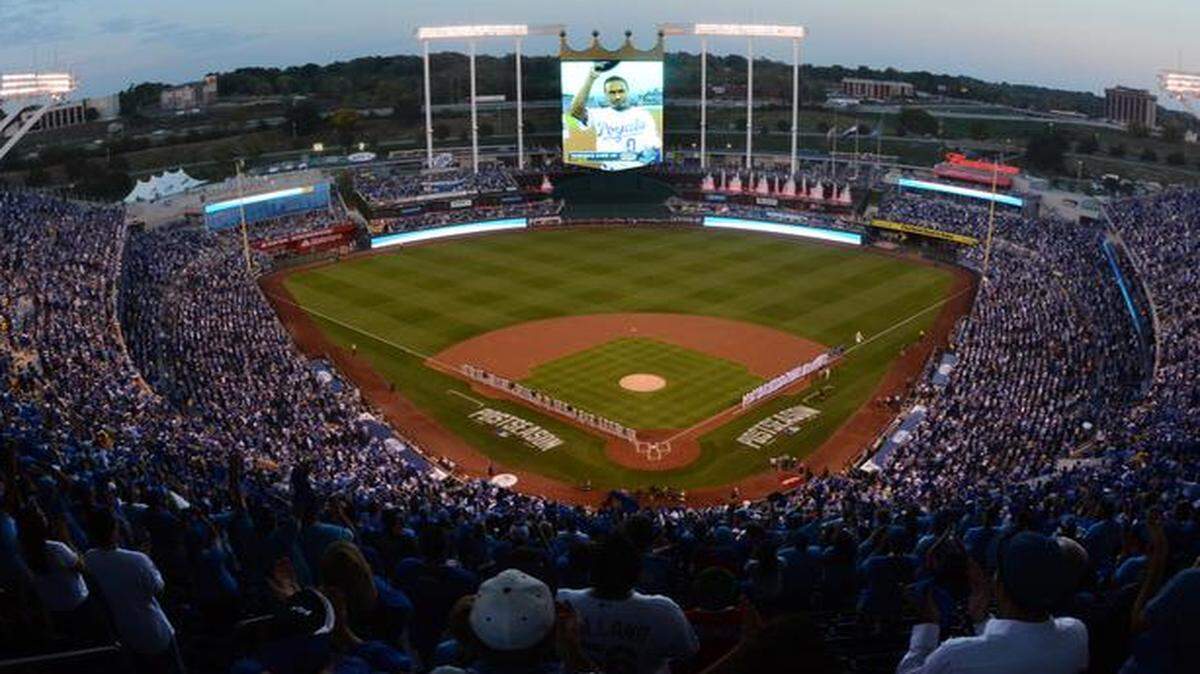
The Royals are deep into the playoffs. Sporting Kansas City is fresh off a visit to the White House as national champions. NASCAR came to town Sunday. And the Chiefs played host to their only Monday Night Football game of the season a week ago.
Sports has turned America’s fickle spotlight on Kansas City. And the rest of the nation sees winners, feels excitement, senses vitality.
What’s that worth?
It could be worth plenty, but it depends in large part on what we make of the opportunities.
“We fully intend to exploit them as much as we possibly can,” said Bob Marcusse, president of the Kansas City Area Development Council, which promotes the economic interests of 18 counties that straddle the state line.
For example, Marcusse’s group had business prospects in town last week for the Chiefs’ Monday night manhandling of the New England Patriots. The pitch, typically, is to move a headquarters or build a manufacturing plant here.
The next day, they swung out to Oakland, of all places, and schmoozed a business prospect. And the group watched the Oakland Athletics battle the Royals for 12 innings at Kauffman Stadium before the home team prevailed in dramatic fashion.
“It was a great bonding exercise,” Marcusse said of the recruiting trip. “We came away from there feeling very optimistic about what’s going to occur.”
For Marcusse, sporting and cultural events are opportunities to sell Kansas City. He’s going for the “ah-ha” moment when business folk from afar get that this city is alive, vital and exciting in ways that will help them attract talent to their companies.
“Once you flip the switch, then things become so much easier. That’s what those events do for us,” he said. “People now see Kansas City in a new light, and that lasts for a long, long time.”
Though Kansas City has its share of metropolitan problems — from crime and empty buildings to troubled schools and border war job poaching — the attention from the sports commentators and the cameramen should be good. Kansas City has plenty to show off.
Downtown has the Sprint Center, Power & Light District, Kauffman Center for the Performing Arts and the Crossroads Arts District. Kansas City, Kan., can brag about its Village West boom.
The area’s entrepreneurial bent flourishes at Startup Village and the Sprint Mobile Health Accelerator. The region’s bio-scientific knack shines through the multiple animal and human health ventures here.
The future is unfolding with every hookup by Google Fiber and the construction of the Kansas City streetcar line.
The hard part is getting people to notice. Kansas City has had plenty of experience in that area.
In 1972, a group of civic and business leaders launched Kansas City’s Prime Time through the city’s chamber of commerce.
Part of the motivation reportedly came when a Kansas City civic leader asked a New York contact what he thought of when he thought about Kansas City. The painful reply: The New Yorker didn’t think about Kansas City at all.
What followed was a concerted effort to promote the city, starting in New York and working with a New York public relations firm. Big Apple media members came here, toured homes, visited parks and sampled our cultural institutions.
It sparked coverage in The New York Times, National Geographic, the Saturday Evening Post and dozens of other publications.
And it worked. A promotional budget of $150,000 reached 115 million viewers and readers, and it produced a 17 percent increase in inquiries from businesses outside the area.
Prime Time worked partly because, as it is now, Kansas City was hitting something of its own prime time. The community had a message to deliver.
Crown Center had just opened. Kansas City International Airport, the Harry S. Truman Sports Complex and Worlds of Fun soon followed. There were new hotels to promote along with schools and colleges.
Despite all of that, at least one newspaper travel writer in the early 1980s pegged the origin of Kansas City’s renaissance to 1970 when the Kansas City Chiefs won the Super Bowl.
Now, in 10 days, four different sports have drawn attention to Kansas City.
“To get that kind of national exposure, you can’t put a value on it. You can’t buy it, as they say,” said Anne Canfield, a vice president of the Kansas City Art Institute, who had the same title with Prime Time in the early 1980s.
National broadcasts of the games mean millions were watching Kansas City. And social media extended the reach. For example, one Twitter post from the Kansas City Police Department urging everybody to behave and not commit crimes during the playoff game against Oakland got thousands of retweets.
We really need everyone to not commit crimes and drive safely right now. We'd like to hear the @Royals clinch this.
— Kansas City Police (@kcpolice) October 1, 2014President Barack Obama helped spread the word last week when he played host to Sporting Kansas City as Major League Soccer champions. He noted the Royals’ rise and the Chiefs’ lopsided win.
“So, clearly, something’s going on in Kansas City,” the president said.
And NBC Nightly News last week turned the baseball story into a Kansas City one.
KC folk - turn on NBC now. They'll finish the Nightly News with a story on our fair city, and specifically the @Royals.
— Dan Merker (@danmerker) October 1, 2014Besides all the attention, the Kansas City economy directly benefits from having professional sports teams.
Professional sports teams draw visitors from the region on game days, and many of them spend on hotels, restaurants and shopping, and otherwise boost the local economy and tax base.
Winning teams, of course, fill more seats, especially from outside the market.
No one has shown just how much value this creates, at least not convincingly, says Maury Brown, a Forbes columnist and president of the Business of Sports Network. Still, he’s convinced the city benefits and gains a real boost from the attention sports teams draw.
“You cannot put a dollar value on the civic value of a sports franchise,” Brown said.
Even struggling franchises, such as the 0-for-29 playoff years Kansas City Royals, benefit their local economies. Brown said there’s no penalty for have losing teams — though there can be ancillary costs to winning, perhaps to worker productivity.
And the national spotlight certainly can deliver a civic blow as well. Coverage of the World Cup in Brazil included protests over economic friction there.
Chicago’s image suffered from the battles outside the 1968 Democratic National Convention. Conversely, Boston Strong became the catch phrase when America witnessed the bombing at last year’s marathon.
“You better have your act together, because everybody’s looking at you,” said Beverly Haskins, another Prime Time Kansas City veteran.
To reach Mark Davis, call 816-234-4372 or send email to mdavis@kcstar.com.
This story was originally published October 7, 2014 at 9:15 AM.