‘Our whole skating future.’ A generation of youth inconsolable after deadly plane crash
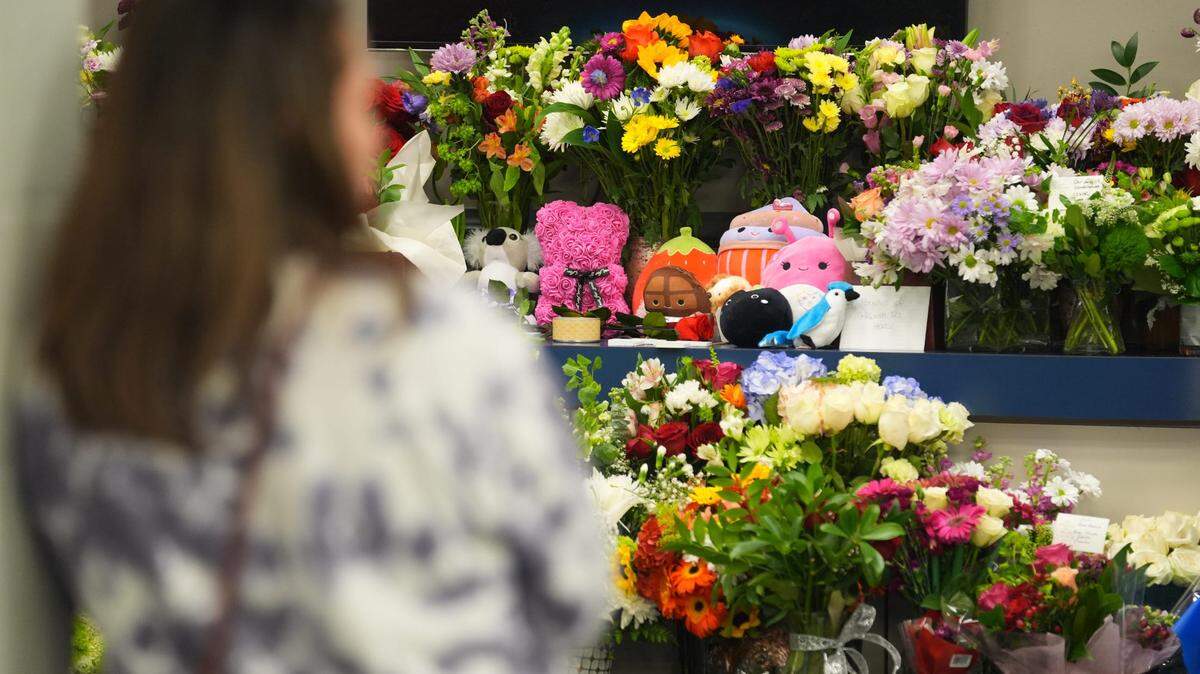
They know the loss is immense, that the future of their sport may forever be marred by what happened last week in the skies over the Potomac River.
Young, promising figure skaters were gone in an instant after an Army Black Hawk helicopter collided with an American Airlines flight coming from Wichita. More than a dozen family members of those athletes were killed, too. And so were four coaches who spent long hours on the ice teaching jumps and spins, twizzles and loops, double and triple axels to talented skaters, some on the path to the Olympics.
“It’s our whole skating future,” said Maria Elena Pinto, a coach at Ion Figure Skating Club in Leesburg, Virginia, where young star Olivia Eve Ter, who was killed in the crash, trained. Olivia’s mother, Olesya Taylor, was also on the flight.
In all, 28 people from the figure skating world — including 11 skaters — were aboard flight 5342 when it exploded on impact and plunged into the Potomac on Jan. 29 as it was approaching Runway 33 at Reagan National Airport in Arlington, Virginia. The skating world represented nearly half of the 60 passengers on the plane.
But before the figure skating community comes to terms with the lasting impact of last week’s plane crash, it’s first dealing with inconsolable youth, coaches and families.
“Yes, it is very hard to even process,” said Rashid Kadyrkaev, a coach at the Ion International Training Center, who worked with four of the 11 athletes, including Olivia. He knew the majority of those from the figure skating community on the plane.
“You’re basically in a fog,” he said. “Brain wise, things are flying in your head. I just look at everything different.
“There’s a sorrow I can’t describe. Definitely very emotional.”
The crash occurred just weeks before the skating world will again commemorate the anniversary of the 1961 plane crash that killed the entire U.S. national figure skating team on their way to the World Figure Skating Championships in Prague, Czechoslovakia. That crash also killed all passengers, including team members, officials and family members.
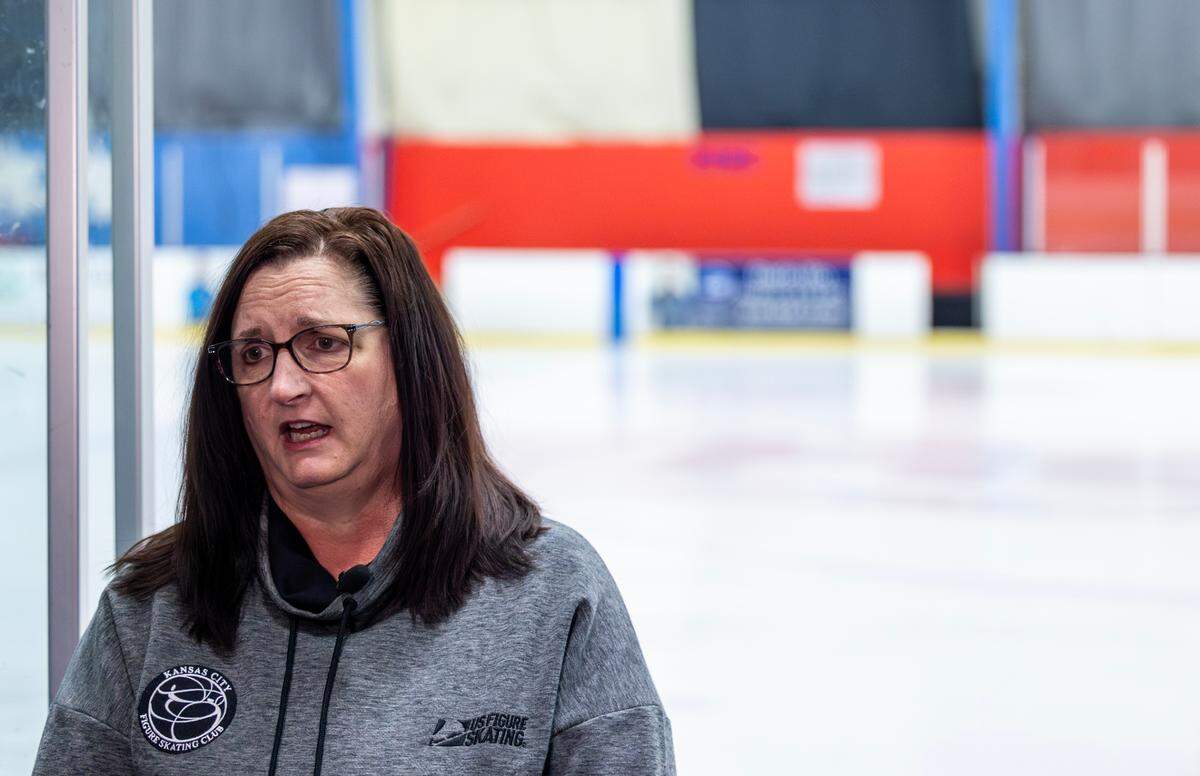
Fran Thornberg, president of the Kansas City Figure Skating Club, said officials with the club worked with some of those killed in last week’s crash, and that the club has many other connections to the tragedy. Skaters from there and other area skating clubs volunteered as sweepers and award presenters at the U.S. Championships in Wichita. Some knew, and competed with, skaters who perished in the crash.
Soon after the crash, area skaters headed to Kalamazoo, Michigan, for a competition with the tragedy on their minds.
“I know this hits hard — really hard — and hits home with a lot of our skating community that participated in that event,” Thornberg said. “Our hearts go out to them and those loved ones.”
Those who participated in the invitation-only National Development Camp held after the U.S. Championships were the top juvenile, intermediate and novice level skaters who likely had a very promising future within the U.S. Figure Skating organization, Thornberg said. A select few who excelled at their respective sectional finals stayed for the final day of elite programming. Eleven of those athletes never made it home.
That reality has been a hard blow for all of the skating community — near and far.
“We’re all very close,” Thornberg said. “We’re a close-knit community.”
Diamonds to be polished
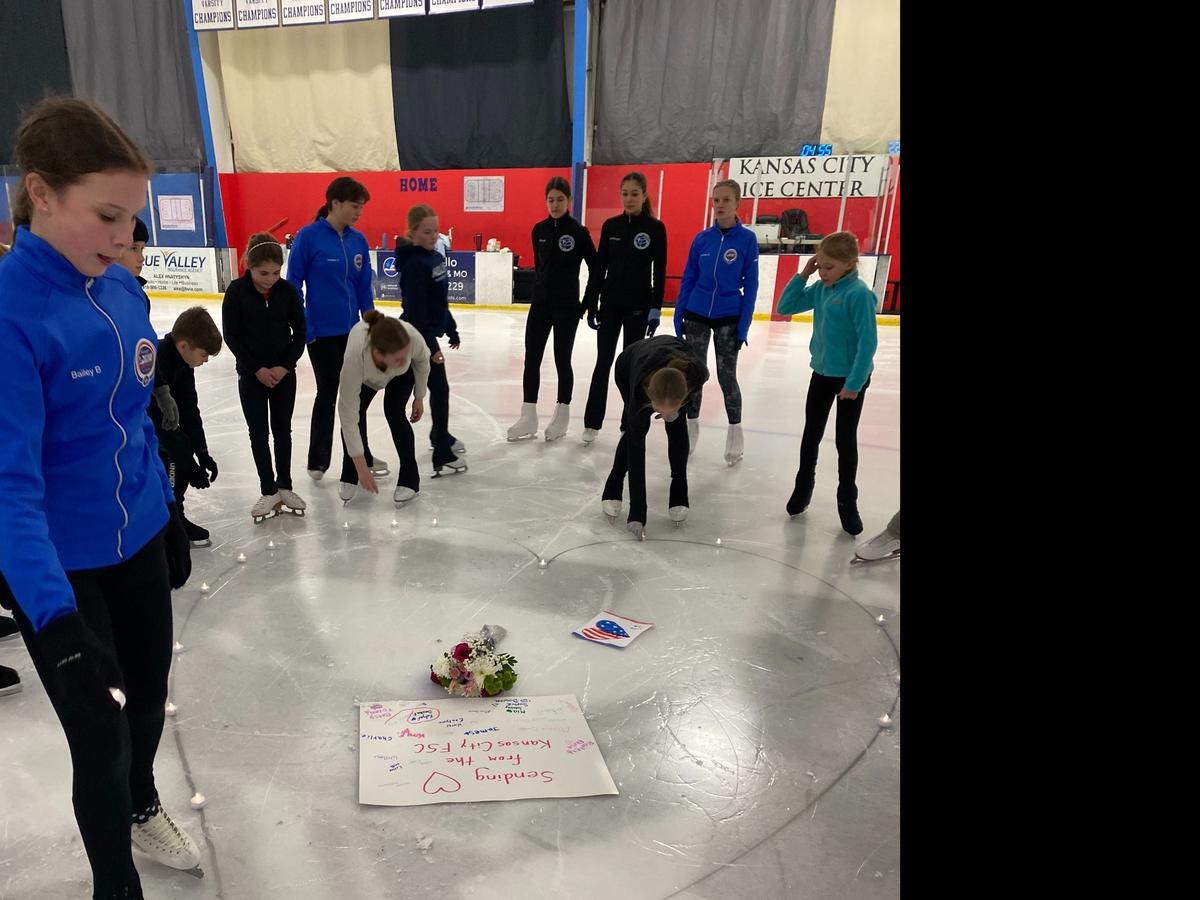
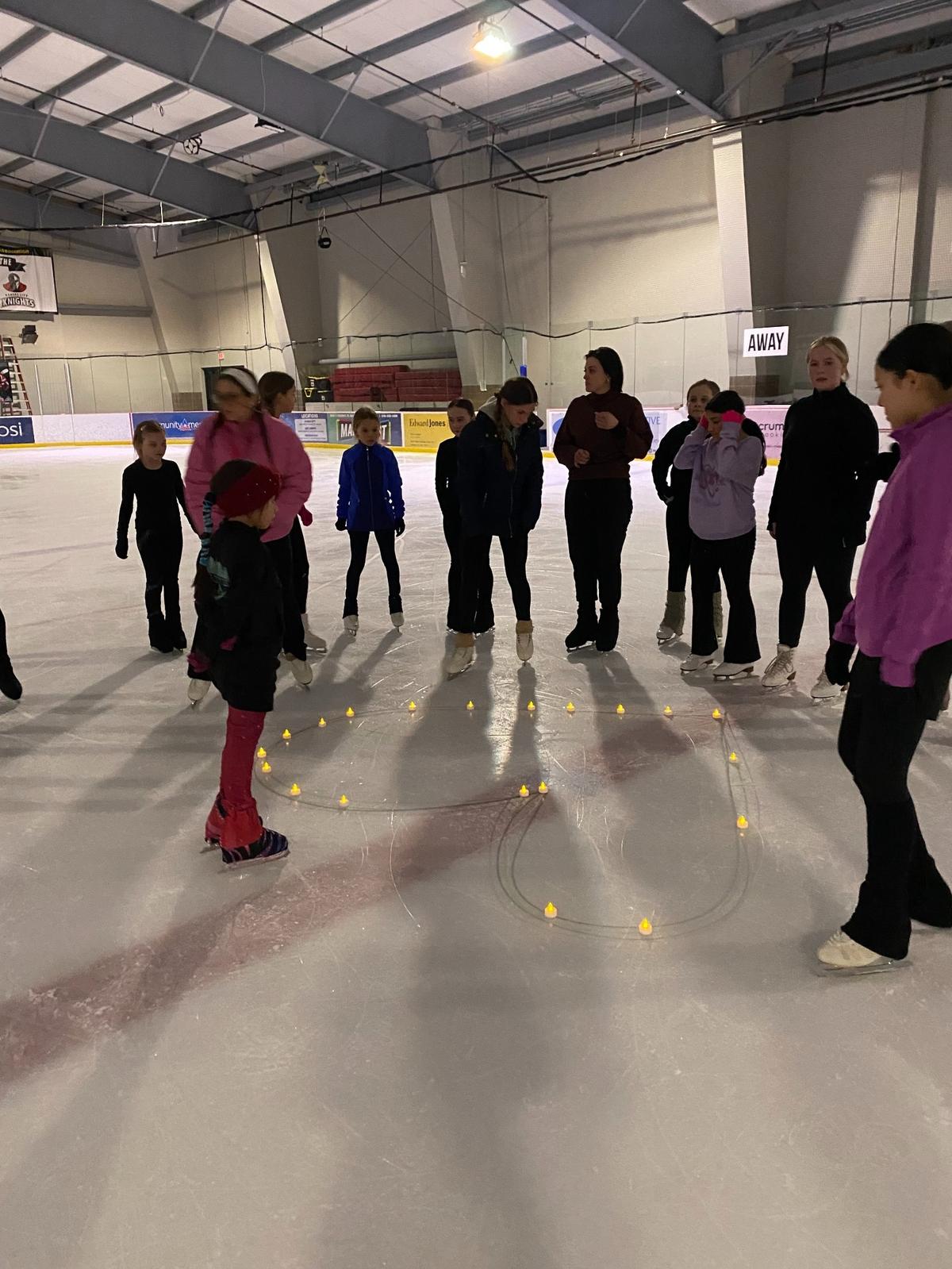
At skating rinks across the nation Monday, and in the days before and since, figure skaters have gathered for moments of silence on the ice, facing LiveBarn cameras in some rinks, skating silently together, bearing flowers, cards, banners and flameless candles. Some gathered in circles on center ice, grasping hands. Others drew hearts, silently setting candles down along the heart’s outline. Still others voiced memories of those lost.
Coaches know their youngest students are struggling.
In some instances, skaters from clubs affected by the deaths are coming home from school early, unable to focus. Too many have never had someone close to them die, Pinto said. Others have closed themselves up, unable to share the grief they’re feeling.
“This is hitting these kids really, really hard,” Pinto said. “They’re a mess, you know, and I’ve got, like, all these little voices on the other end of the phone calling me sobbing. They can’t understand it.
“Kids normally think old people die, not a girl who just turned 12 in November,” Pinto said, referring to Olivia.
The adults around them are hurting as well.
“I’m 61 , I’m still breathing and working,” Kadyrkaev said, “and they are gone. It’s just not right.”
He said he now tries to focus on the brightness the young skaters brought, how they wanted to come to the rink and work on their fundamentals so they could achieve great things.
“Every single child is a diamond,” Kadyrkaev said. “And we have to polish and polish them and they will be super. And (we) help them to reach their dreams.”
He let out a heavy sigh. His mind is still consumed with everything that has happened since last Wednesday evening and the mid-air collision.
“And unfortunately, we lost them.”
Gracie Gold, the 2014 Olympic Bronze Medalist who grew up in southwest Missouri, wrote about the crash Tuesday on Instagram. She also posted a photo of her with a group of some of the young National Development Team skaters she worked with at the elite training camp.
“It’s been days and yet I still can’t seem to find the right words to express the pain of the unimaginable loss of our athletes on American Airlines Slight 5342,” she wrote. “It is a tragedy that has left us all heartbroken and empty.”
Those skaters who died were “more than just athletes,” she said.
“They were passionate, fearless and educated kids that were devoted to their craft, to their schools, to their families and to their communities,” Gold said. “It was an honor to coach them and to watch them grow over the last 3 years.
“To the athletes: I will forever carry your spirit with me, and your legacy will continue to inspire us all.”
‘This is where she skated’
On Friday, Pinto said she forgot to cancel her classes inside the Ion training facility. One of her students who has special needs came to the rink and had trouble processing what had happened to Olivia.
“(The student) was like, ‘Wait, she’s my age,’” Pinto said, recalling the conversation she had with her student. “‘She used to do her jumps over there, and she would spin over there.’”
At one point, Pinto said, the young skater, who thought the “energy” wasn’t right inside the arena, said: “I can’t be here. I don’t know if I can do this. I don’t know if I can skate.”
The coach spoke with patience and a strong understanding, as the pain was still so fresh for her too.
“Well, you know, if you miss her, this is where she skated,” Pinto told her student.
That made sense.
“I could feel close to her here,” the student said.
With Pinto’s arm around the skater, the two circled the rink.
“This is where they feel her,” Pinto said.
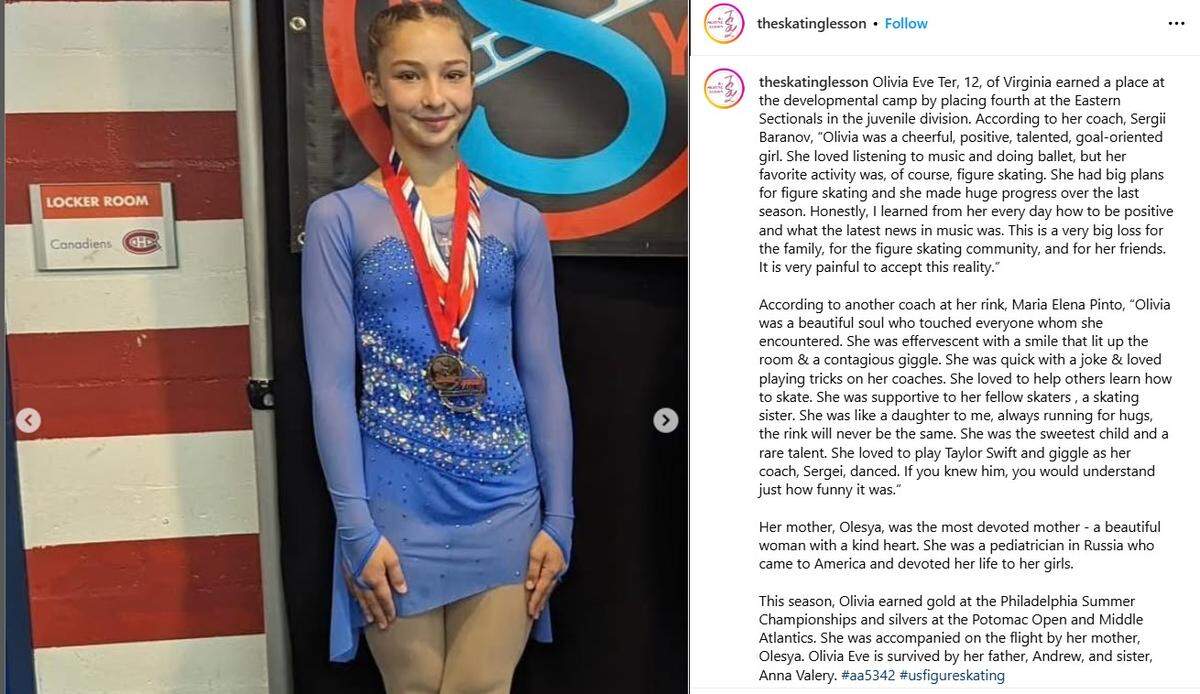
At just 12, Olivia was an old soul and wise and mature, those who knew her said. So talented on the ice that many felt she would make the Olympics one day.
“But then, she’d also just be a kid,” Pinto said. “With this goofy little giggle.”
Sergii Baranov, Olivia’s coach, is a “serious man,” Pinto said. She and Olivia loved to have fun with him. Sometimes they would work together to steal his hat and keep it away from him.
Then there was their effort to train him on all things Taylor Swift, Olivia’s favorite.
Pinto would play her songs for the young skater and she and Olivia would have to explain some of the lyrics to Baranov, who’s from Ukraine. Take the song, “Blank Space,” Baranov was stuck on the line, “You look like my next mistake.”
“He’s like, ‘What is this? What does this mean?” Pinto recalled. “And the two of us were giggling, and we explained it to him. And he started laughing.”
Baranov got to the point he would “actually dance and sing to Taylor Swift,” Pinto said.
“We turned him into a Swiftie,” she said. “That child was so special and so adorable, because I’m telling you, no other child could have made this man a Swiftie.”
Four other clubs also lost young, talented skaters in the plane crash, all considered among the sport’s up-and-coming stars.
The Skating Club of Northern Virginia lost three skaters on the plane: Brielle Beyer, 12, Cory Haynos, 15 and Edward Zhou. The club scheduled a remembrance skate for Tuesday evening.
“Their spirit, laughter, and love will always be with us,” the club wrote on its website, “and we want to celebrate their lives in a way they would have cherished — by skating and sharing memories.”
Washington Figure Skating Club also lost three skaters: Sisters Alydia and Everly Livingston, 11 and 14, and Franco Aparicio, 14. That club will host a Memorial Tribute Saturday.
“This year’s annual Winter Social has been repurposed to honor our skating community,” the group said. “Other clubs that have lost members will also be invited to join us. Our programming committee is preparing a video for this event. “
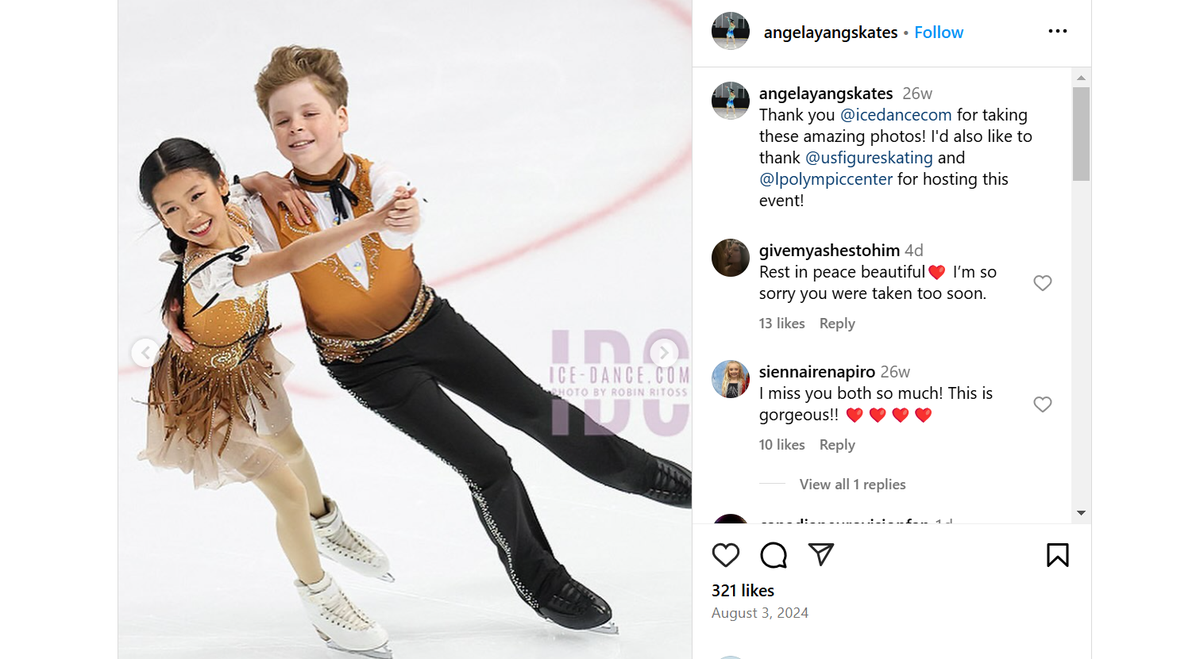
The Skating Club of Boston lost two skaters on the plane: Jinna Han, 13, and Spencer Lane, 16. And the University of Delaware Figure Skating Club lost the ice dancing duo, Ilya “Sean” Kay and Angela Yang, both 11.
On the Boston club’s website, Doug Zeghibe, the CEO and executive director, said the outpouring of support and love from around the world has been “both gratifying and overwhelming.”
“We will honor our friends lost each and every day,” he wrote, “and in a lasting and permanent manner as well. I promise you that.”
Producing champions
Among the four coaches being remembered are Evgenia Shishkova and Vadim Naumov, who competed in the 1990s for Russia, winning the pairs title at the 1994 World Figure Skating Championship and competing at two Olympics.
The married couple were coaches at The Skating Club of Boston, where they shared their passion for the sport with young skaters. Their son, Maxim, 23, — coached by his father — was in Wichita for the U.S. Figure Skating Championships, too, where he won the pewter medal in the senior men’s event. He flew home earlier that week.
The loss of Maxim’s parents is a critical blow for the sport, many said.
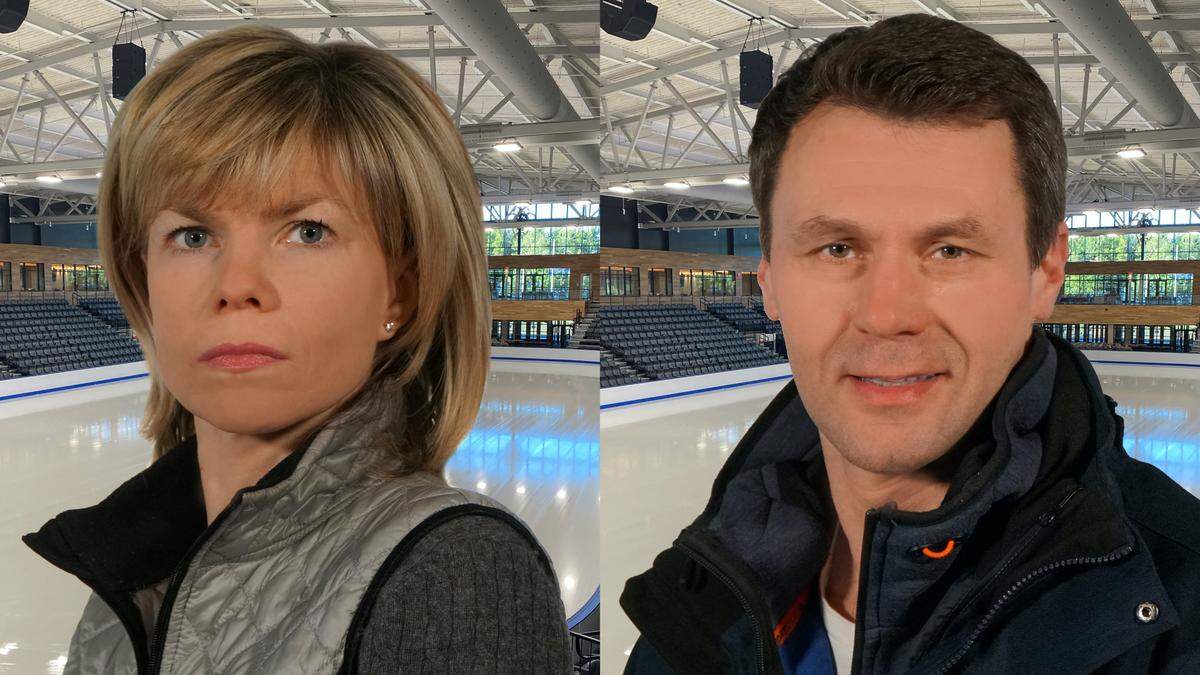
As are the deaths of Alexandr “Sasha” Kirsanov and Inna Volyanskaya, both award-winning professional figure skaters turned coaches.
Kirsanov worked at the University of Delaware Figure Skating Club. He and his wife coached the duo, Kay and Yang — the young, promising ice dancing duo — but decided only one would accompany the pair to Wichita. As a skater, Kirsanov represented Russia, Azerbaijan and the United States before his last competition in 2004.
Inna Volyanskaya, also an internationally decorated figure skater, coached at the Washington Figure Skating Club. She attended the national competition in Wichita and then stayed over for the development camp with one of her skaters.
Bonnie Lewis, a coach with the Kansas City Figure Skating Club originally from the Washington D.C. area, said she first met Volyanskaya when she was around eight years old.
“I saw (the passenger list) and when I saw Inna’s name; my heart just stopped,” Lewis said. “It’s honestly still shocking. The skating community is such a small community. It’s a small world and it’s very close knit. It’s just gonna take a long time to recover from this.”
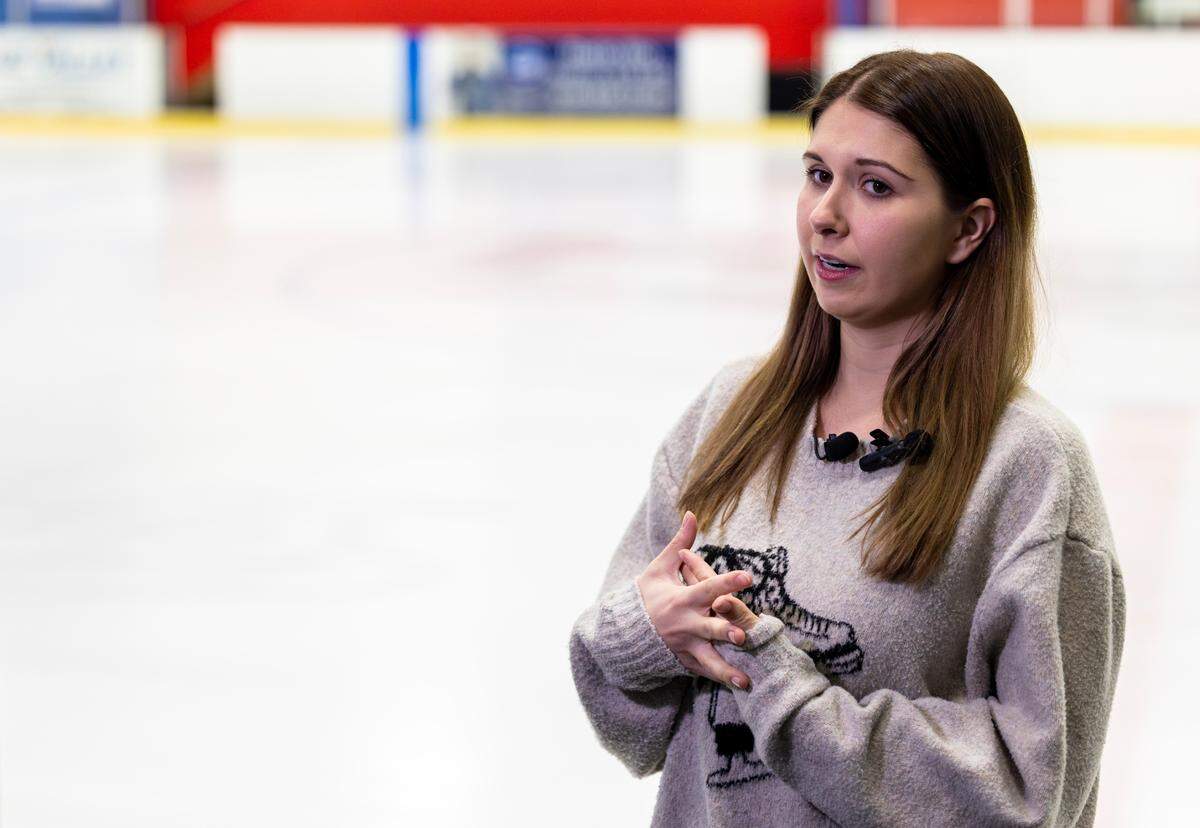
Losing four talented coaches is devastating for the sport and the young skaters they trained, many said.
Olympian Brian Boitano told CNN last week that Shishkova and Naumov were not only “talented skaters” but they were helping build one-day leaders in the sport.
“They were people producing champions of our future in Boston,” he said. “I can’t say enough about them as people.”
Kadyrkaev, also from Russia, knew the couple.
“We lost good coaches,” he said, his voice breaking. “Dedicated. They could have gone so far. So successful.”
Many in figure skating are now trying to wrap their son Maxim with support and love, he said.
Marina Eltsova, a Leawood skating coach, grew up in Saint Petersburg, Russia with the pair. She skated on the same ice with them and competed against them. For decades, they had been close friends.

She was in Wichita during the national competition and didn’t get to see Shishkova because she had the flu, but did watch Maxim’s award-winning performance. And Eltsova later joined him and his father on the ice for a photo.
The deaths of her close friends will be felt inside figure skating, she said.
“They have a lot of students,” Eltsova said. “They worked like 12-hour days. It’s a loss. It’s a definite loss.
“Everybody recovers, of course. It just takes time, but it’s a very painful recovery.”
For those wishing to help, U.S. Figure Skating has established the U.S. Figure Skating Family Support Fund to provide support to the skating families directly impacted by the tragedy.
The Star’s Nathan Pilling and Noelle Alviz-Gransee contributed to this report.
This story was originally published February 5, 2025 at 12:29 PM.