‘It could cause real damage’: Rape victim retraumatized by glitch in Missouri system
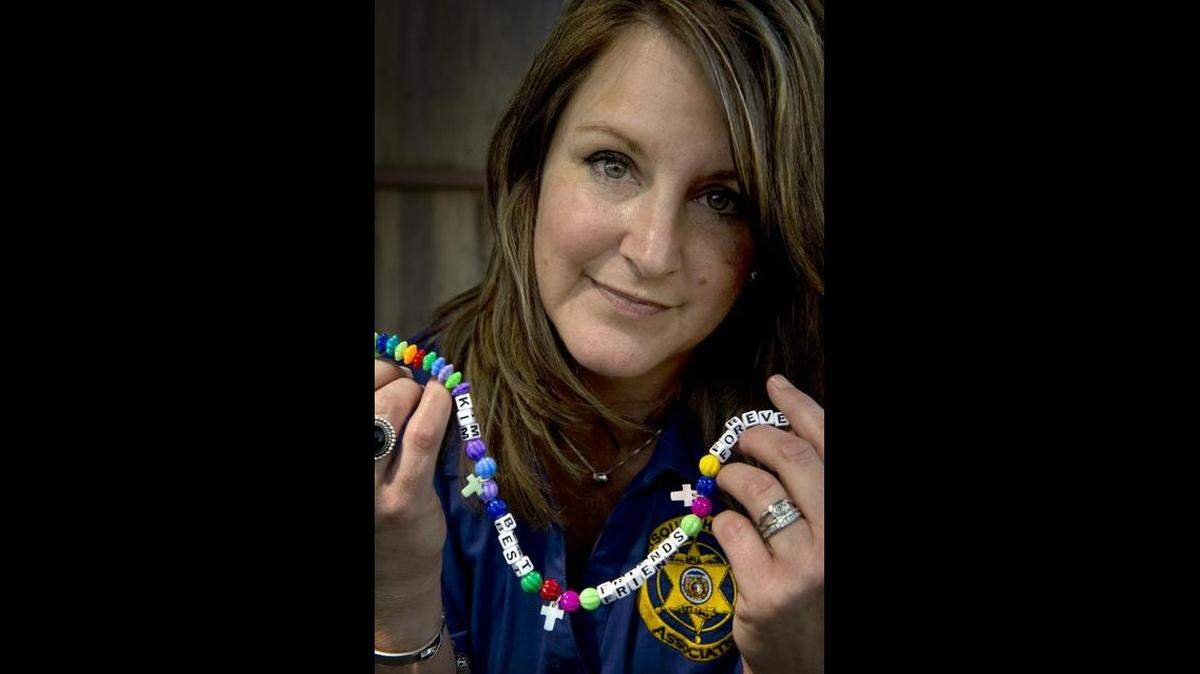
Each time her phone rang Tuesday and the letters DOC popped up, Kim Case’s mind raced back to the day in 1990 when four men kidnapped and raped her. She was just 19.
Case had programmed those letters into her phone years ago to let her know when she was getting an automated update from the Department of Corrections on the men’s status — an upcoming parole hearing or, God forbid, notice that they had escaped.
But the next parole hearing wasn’t supposed to be for years.
Before long, another call. Then another. And another. A total of 22 calls in roughly 24 hours — one as late as 10:45 p.m. — telling her about court procedures and a parole date that’s nearly 20 years away. With each call, her mind couldn’t help but go back to 33 years ago and all that pain.
“I woke up this morning crying,” Case told The Star on Wednesday. “It doesn’t allow you to enter the PIN to stop the calls. They just keep coming.”
She and her best friend, who gets the automated calls too so she can support Case when the updates come, soon discovered that a glitch in MOVANS (Missouri Victim Automated Notification System) was sending unintended updates to people across Missouri who are signed up to get the information.
“The automated system is calling victims, like on the hour,” Case said. “Imagine how upsetting that is and the people that it really triggers.
“It could cause real damage. There could be a lot of people really struggling today with this happening.”
Mike O’Connell, spokesman for the Missouri Department of Public Safety, which oversees MOVANS, said that Apris, the vendor for the system, was “migrating some processes to a new platform” to enhance it.
“It’s believed the technical issue some MOVANS users are now experiencing is a result of problems with the migration,” O’Connell said Wednesday afternoon. “... DPS has communicated to the vendor that this issue must be addressed with urgency.”
The department worked Wednesday to try to determine who in the state had been affected and how many were getting updates that they couldn’t turn off.
“We have received a number of calls at the office and they were about the issue with entering their PIN but the automated calls continuing,” O’Connell said. “That seems to be the issue.”
It wasn’t clear Thursday morning if the issue had been resolved. For Case, the calls stopped at some point Wednesday.
She had been receiving calls on three of the four men convicted in her assault. The fourth man was released from prison in the fall.
“It takes you back instantly,” she said. “Because it just puts you right back in the face of that assault. You have to stop and consider whatever it is they’re telling you. Was there an escape? Was there, you know, a murder in prison? And is he gone? Was there a release? Is there a parole hearing?”
Victoria Pickering, director of advocacy for MOCSA (Metropolitan Organization to Counter Sexual Assault), said the automated system is intended to reduce the likelihood that a survivor will be “out of the loop on updates related to their case.” Such as when an offender’s sentencing is changed or parole is set.
But because it can be emotionally difficult to receive the texts or phone calls — even when they are intended — MOCSA educates survivors on the emotional impact that can come with getting those updates.
“To get those sorts of messages over and over and over again?” Pickering said. “I would imagine it would be incredibly re-traumatizing for a lot of survivors, particularly folks who experienced sexual victimization.
“We often say that when someone has experienced sexual assaults, ultimately what was taken away from them was their choice and their control. With what’s happening with the information system, I can imagine it could bring back some of those feelings of a loss of control, loss of choice.”
Anyone who finds the current situation with the notifications “upsetting or triggering to them, we want them to know we’re here and that they can call us,” Pickering said. “We obviously don’t manage the system, but we can definitely provide support.”
Those who might need support can call MOCSA’s 24-hour crisis lines at 816-531-0233 or 913-642-0233. Those are free and confidential.
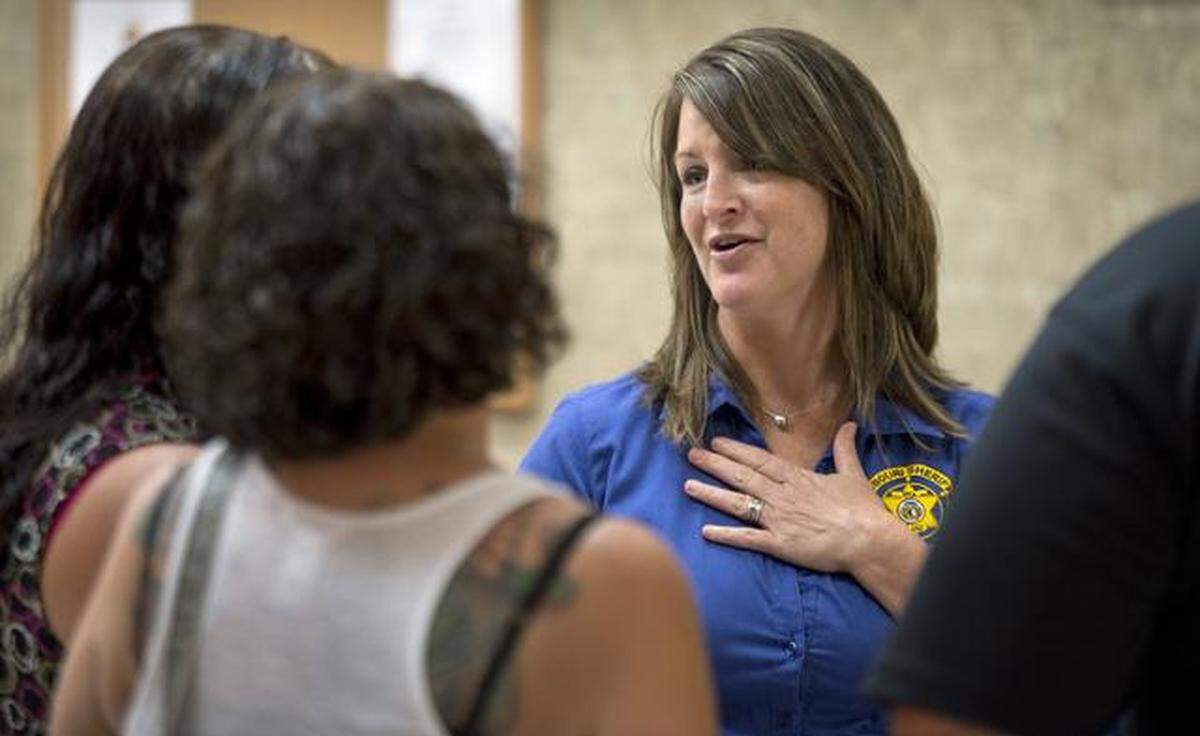
Case, herself, has become an advocate for victims and survivors since her kidnapping and assault in June 1990. She works for a law firm in Texas helping clients who have experienced sexual violence or abuse.
She has been a victim advocate case manager for the Missouri Sheriffs’ Association. And in the past three decades she has worked with every Missouri county to create or strengthen victim advocate efforts.
Her hope, she said, is to help survivors find their voice or be “a voice for those who have lost theirs.”
“There are a lot of pieces to the system,” Case said. “And people don’t think of the post-conviction part and what the survivor has to endure for the rest of their life.”
This week’s glitch with the notification system serves as a reminder, she said, that there’s still work to be done.
“It still gets me,” she said. “You know, it’s so unfair. I’ve done all the work to be better. I’ve done all the healing and have tried so hard. And this system now just keeps re-victimizing me over and over.
“And it’s like, for goodness sake. I mean, I fought to get our constitutional amendment in this, you know, for the state to pass victims rights, and I’m still having to fight these battles 33 years later.”
This story was originally published January 19, 2023 at 11:00 AM.