Is Melatonin Really Safe for Kids? What New Expert Guidelines Want Parents to Know Right Now
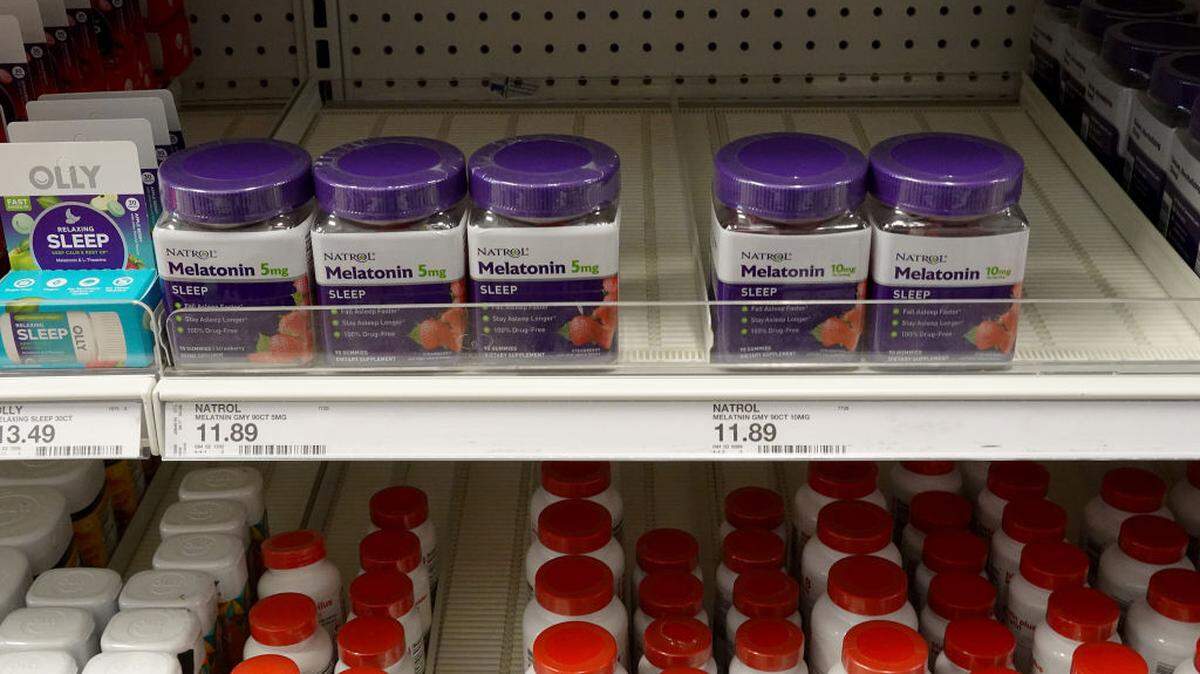
Nearly 1 in 5 school-age children now use melatonin regularly to fall asleep. For a lot of parents, it feels like a harmless fix. But updated guidelines and a wave of new research are telling a more complicated story.
What Experts Are Saying About Melatonin and Kids
In 2025, the International Pediatric Sleep Association released consensus guidelines stating melatonin should be treated as a medication, not a supplement, and used only under medical supervision in typically developing children. The AAP echoes this, saying melatonin should only be given to kids after a conversation with a pediatrician.
Here’s the thing most parents don’t realize: melatonin is a hormone, not just a sleep aid. It interacts with the immune system, metabolism and reproductive processes. In a child whose endocrine system is still forming, that distinction matters.
Melatonin Safety Statistics Every Parent Should Know
Between 2012 and 2021, calls to U.S. Poison Control Centers for pediatric melatonin ingestions rose 530%, resulting in 27,795 ER visits, 4,097 hospitalizations and 2 deaths. Many cases involved the same candy-like gummies parents use at bedtime.
Part of the problem is labeling. Because melatonin is sold as a dietary supplement, it’s not FDA-regulated the way medications are. One study of 31 supplements found melatonin content varied wildly from what the label claimed. A gummy marked as 1 mg could contain significantly more or less.
Long-Term Melatonin Use in Adults: New Research Raises Flags
A large preliminary study of more than 130,000 adults with chronic insomnia, presented at the American Heart Association’s Scientific Sessions 2025, found that people who used melatonin for a year or more were nearly twice as likely to develop heart failure and roughly twice as likely to die from any cause over five years. The study hasn’t been peer-reviewed yet and can’t prove cause and effect. But researchers say the findings are enough to take a closer look at long-term melatonin use across all ages.
Sleep Habits That Actually Help Kids Fall Asleep Faster
Both the AAP and international sleep experts agree: most healthy kids don’t need melatonin. Good sleep hygiene is the strongest place to start.
- Cut screens at least one hour before bed. Blue light suppresses your child’s natural melatonin production.
- Keep bedtime and wake time consistent, even on weekends. This is the most powerful tool for resetting your child’s internal clock.
- Keep the bedroom cool (around 65°F), dark and quiet.
- Skip caffeine after early afternoon and heavy meals close to bedtime.
Natural Sleep Aids for Children Backed by Research
If you’re looking for extra support, a few options have real research behind them. Always check with your pediatrician before giving children any supplement.
- Chamomile tea contains apigenin, which binds to receptors in the brain that produce a calming effect. A 2019 meta-analysis found it significantly improved sleep quality compared to placebo.
- Tart cherry juice is a natural source of tryptophan, a melatonin precursor. A Louisiana State University study found participants who drank it twice daily slept an average of 84 minutes longer per night.
- Magnesium glycinate supports GABA production, which helps calm the nervous system. You’ll find it naturally in pumpkin seeds, almonds and spinach, per the NIH Office of Dietary Supplements.
The Bottom Line on Melatonin
If you’ve been giving your child melatonin, the goal here isn’t guilt. It’s information. Talk to your pediatrician about whether it’s truly needed, build some consistent sleep routines and know that for most healthy kids, better sleep is within reach without a supplement.
This article was created by content specialists using various tools, including AI.