If You Grew Up With an 'Almond Mom', Here's Why a 'Butter Mom' Is Different
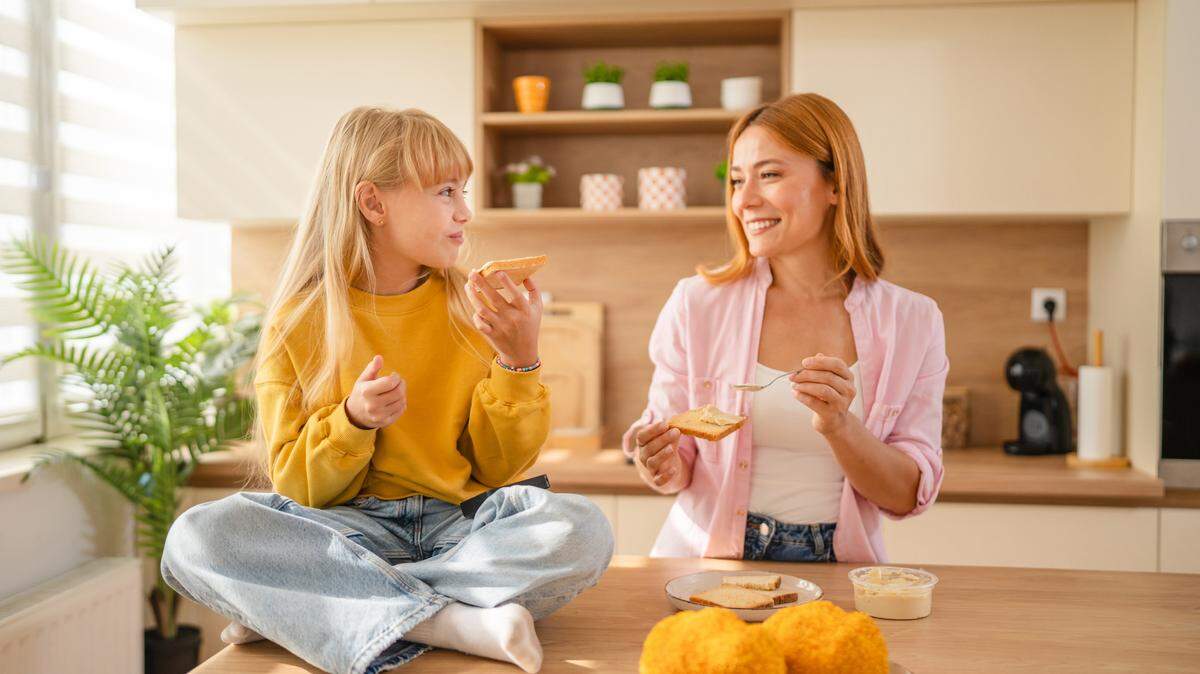
If you spent your childhood watching a parent skip meals, count calories out loud, or call certain foods “bad,” you’re not alone. And if you’ve caught yourself mid-sentence doing the same thing in front of your own kids — then pausing, exhaling, and choosing differently — you’re part of a growing wave of millennial parents rewriting the script on food at home.
Welcome to the butter mom era.
So, What Exactly Is a Butter Mom?
A butter mom prioritizes wholesome, scratch-made meals, real ingredients, no strict food rules, and a judgment-free approach to eating at home. The term is the direct opposite of the “almond mom“, a parent rooted in diet culture, restriction, and wellness perfectionism. This label went viral on TikTok and sparked a conversation that hasn’t stopped since.
Butter moms as parents who “prioritize traditional, often homemade meals using whole, high-fat ingredients” and embrace an “all foods fit” mindset while steering away from ultra-processed foods. Licensed therapist and creator Johanna Kulp helped popularize the term, saying her mission is making sure her kids never feel bad about food or their bodies.
If that sentence lands somewhere tender, it’s probably because you remember what it felt like when someone made you feel both.
This Is a Generational Correction, Not Just a Trend
The butter mom identity taps into something real: a rejection of diet culture from millennial parents who grew up inside it and are actively choosing differently for their own kids. A 2025 academic paper explored the almond mom archetype as intergenerational critique, framing it as exactly that — a course correction away from the food messaging many of us absorbed without realizing it.
The numbers reflect it, too. A 2026 survey found 60% of Americans prefer flexibility in how they eat, with roughly 25% no longer wanting to label foods “good” or “bad.” And millennials are showing up at the table in a literal sense: HelloFresh’s 2025-2026 State of Home Cooking report found they lead all generations in regular sit-down family dinners, with 76% doing so most or every day of the week.
That’s not aesthetic, rather, it’s intention.
Raising Kids in a Complicated Food Moment
It’s worth acknowledging the moment we’re actually parenting in. Conversations around food and body image are louder than ever, from the body positivity movement to the widespread rise of GLP-1 medications like Ozempic and Wegovy changing how many adults relate to hunger, appetite and weight. Whatever choices adults make for themselves, many parents are pausing to ask a quieter question: what messages are my kids absorbing about food and their bodies right now, just from watching me?
That’s exactly where the butter mom philosophy steps in, not as a judgment on any personal health decision, but as an intentional framework for what eating looks and feels like inside your home.
What the Research Actually Says
If you’ve wondered whether any of this makes a measurable difference for your kids, the short answer is yes. Parental food attitudes directly shape children’s long-term relationship with eating. And getting kids involved in the kitchen matters more than many parents realize: research shows that early, active participation in cooking builds lasting food skills, not just passive observation of a parent who cooks well.
Letting a four-year-old stir the pot or a seven-year-old measure the flour is not just keeping them occupied. It is building their relationship with food from the start.
What This Looks Like on a Regular Tuesday
The butter mom philosophy is not a free-for-all. It is not about performing a cozy, vintage kitchen life online, either. Removing moral labels from food is different from abandoning structure. It sits in a different lane from other trending parent food content, like strict clean-eating approaches or the carnivore baby movement, favoring flexibility over rigidity and nourishment over performance.
In practice, it might look like making pasta with real butter and eating it without a comment about carbs. It might mean letting your kid have dessert without earning it first. It means cooking from scratch when you can, and not punishing yourself when you can’t.
Why the Aesthetic Is Part of the Point
The butter mom movement has a visual language that mirrors its values: slow living, warm kitchens, real food, presence over perfection. Butter itself became a symbol of accessible comfort in 2025 and into 2026, showing up in viral recipes, butter boards and dinner table centerpieces, particularly as food costs climbed and people reached for what felt grounding and real.
There is something meaningful about that for a generation raised to believe fat was the enemy.
The Takeaway
You don’t have to churn your own butter or have a Nancy Meyers kitchen to raise kids with a healthy relationship to food. What you can do is interrupt the cycle, one meal, one conversation, one unjudged snack at a time.
The fact that you’re thinking about it at all? That is the correction already happening.
This article was created by content specialists using various tools, including AI.