Stock Your Pantry Like a System and Healthy Cooking Becomes the Default
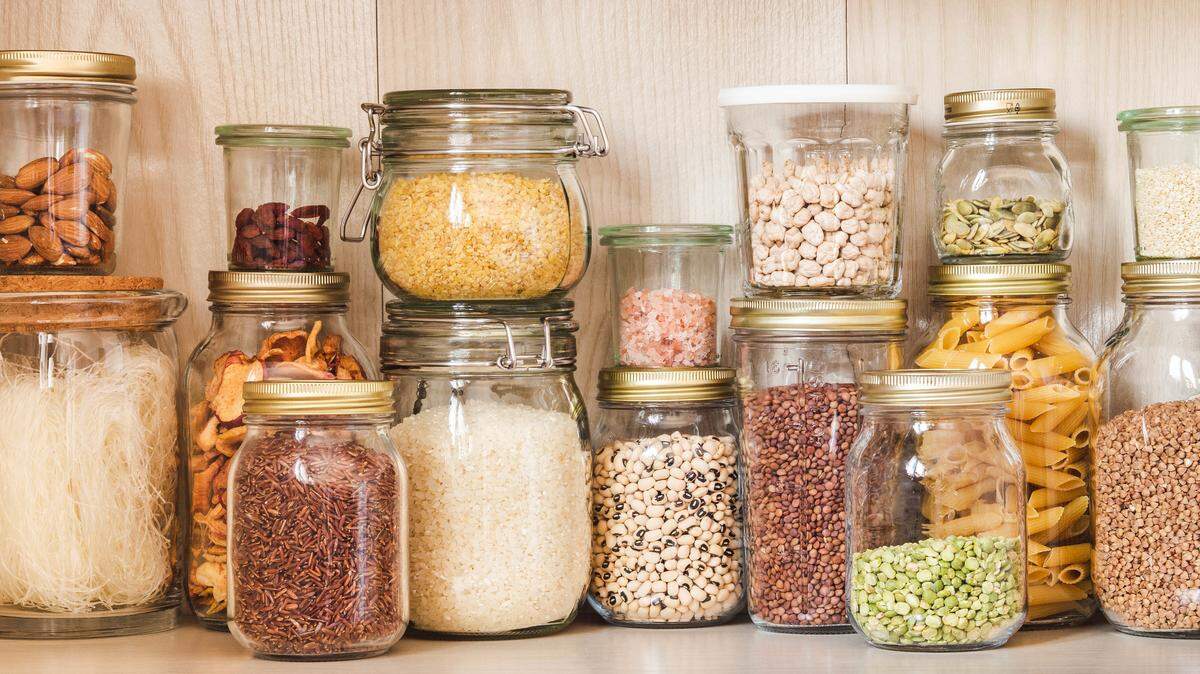
The biggest barrier to eating well most nights isn’t skill or motivation. It’s opening the fridge and not having the right ingredients on hand.
The scenario is familiar: half an onion, wilting greens, a forgotten condiment, and suddenly you’re ordering takeout. The fix isn’t willpower or a rigid meal plan. It’s building a pantry stocked with versatile staples that make a healthy meal the easiest option on any given night.
Home cooking is consistently linked to better diet quality, lower caloric intake and reduced ultra-processed food consumption. The barrier for most people is simply having the raw materials on hand. Here’s a category-by-category look at what earns a place in a wellness-optimized pantry and why.
Cooking Oils Worth Rethinking
The quiet shift happening in home kitchens centers on cooking fats. Swapping refined seed oils for quality alternatives is one of the simplest upgrades a home cook can make.
Extra virgin olive oil is rich in oleocanthal, a compound with anti-inflammatory properties comparable to low-dose ibuprofen. Its smoke point sits around 375 to 405°F depending on quality, making it a strong choice for sautéing, roasting, dressings and finishing dishes. Harvard T.H. Chan School of Public Health offers a thorough breakdown of its nutritional profile.
Avocado oil fills a different gap. With a smoke point around 520°F, it handles high-heat cooking better than almost anything else in the category. It’s rich in monounsaturated fats and lutein, which supports eye health, and its neutral flavor makes it broadly useful across cuisines.
Coconut oil works best in a specialty role. Research on its metabolic benefits remains mixed, and it’s higher in saturated fat than both olive and avocado oil. Use it for baking or certain cuisines like Thai or Indian cooking, but it’s not the right choice as your primary everyday fat.
Vinegars as Calorie-Free Flavor Tools
Vinegars reduce the need for excess salt, sugar and heavy sauces, and a few varieties do double duty with potential health benefits.
Apple cider vinegar contains acetic acid, and some studies suggest modest blood sugar regulation benefits when consumed before or with meals. The Cleveland Clinic offers a grounded, evidence-based look at what the research shows. It also works as a meat tenderizer and salad dressing base.
Balsamic vinegar contains polyphenols and adds depth to roasted vegetables, salads and proteins. Aged varieties tend to have lower glycemic impact, while cheaper versions often contain added sugar. Check the label.
Red wine vinegar is excellent for quick-pickling vegetables at home, a technique that increases probiotic potential when combined with a salt brine. A jar of quick-pickled red onions takes minutes to make and can elevate meals across an entire week.
The Low-Sodium Swap That Actually Works
Coconut aminos may be the most practical swap in this entire guide. Made from fermented coconut sap, they contain roughly 90mg of sodium per teaspoon compared to about 280mg in regular soy sauce. They’re gluten-free, with a mild, slightly sweet umami flavor that works across stir-fries, grain bowls, marinades and dipping sauces. They’re now available at most major grocery retailers.
Tamari is worth keeping alongside them. It’s a wheat-free soy sauce alternative with a richer, less salty flavor, a good middle ground for anyone who doesn’t need to avoid soy entirely.
Seasonings That Do More Than Add Flavor
A well-curated spice shelf can quietly reshape how you eat.
Fresh garlic contains allicin, a sulfur compound with well-documented antimicrobial and cardiovascular benefits. Garlic powder and onion powder make reliable backups when speed matters more than fresh prep.
Turmeric contains curcumin, studied extensively for anti-inflammatory properties. The practical detail most people miss: pairing turmeric with black pepper significantly increases curcumin absorption. Keep both nearby and use them together.
Cinnamon supports blood sugar regulation and works in both sweet and savory dishes. Cumin anchors Middle Eastern, Mexican and Indian cooking while supporting digestion. Smoked paprika adds depth and color without heat. Red pepper flakes deliver metabolism-supportive capsaicin without sodium. Dried oregano, thyme and rosemary are antioxidant-rich Mediterranean staples worth keeping stocked year-round.
On salt: choosing kosher or sea salt over iodized table salt gives you better control. When you’re layering flavor through spices, vinegars and aromatics, you simply need less of it.
Produce That Lasts and Frozen Vegetables That Perform
One of the bigger misconceptions in healthy eating is that fresh produce needs constant replenishment. Several items hold up far longer than people expect.
Garlic bulbs, yellow onions and shallots last two to four weeks at room temperature. Sweet potatoes last three to five weeks when stored properly and deliver beta-carotene and fiber with every serving.
Frozen vegetables deserve a reputation upgrade. They’re nutritionally comparable to fresh and are often frozen at peak ripeness, locking in nutrients. The Academy of Nutrition and Dietetics has addressed the fresh vs. frozen comparison directly. Frozen spinach, peas, edamame, broccoli, cauliflower and corn dramatically cut prep time and reduce food waste, and they close the gap instantly on nights when nothing fresh is available.
Grains, Starches and the Resistant Starch Advantage
The dry goods section does the heaviest lifting on weeknight dinners.
White rice cooks quickly and serves as a neutral base. Brown rice offers more fiber and micronutrients but takes around 45 minutes, making batch cooking the practical move. Whole wheat pasta adds fiber over refined versions. Chickpea or lentil pasta delivers higher protein and a lower glycemic index while staying gluten-free. Rice noodles work well across Asian-inspired dishes. Having two varieties on hand gives you flexibility without a store run.
Potatoes are among the most nutrient-dense foods per dollar, high in potassium, vitamin C and B6. One detail worth knowing: cooked-then-cooled potatoes develop resistant starch, which feeds beneficial gut bacteria. A potato salad or batch of refrigerated roasted potatoes actually shifts the nutritional profile of the food itself compared to eating them freshly cooked.
Canned chickpeas and black beans are ready to use straight from the can. Lentils require no soaking and cook in 20 minutes, making them one of the fastest protein-and-fiber sources you can keep on a shelf.
A Few More Items That Complete the System
Canned tomatoes, whole, diced or crushed and tomato paste, form the base for dozens of sauces and soups. Chicken, beef or vegetable broth elevates grains and braises. Nut butters like almond, peanut or tahini provide healthy fat and protein, useful in sauces and as snacks. Canned tuna, salmon and sardines deliver omega-3s as shelf-stable protein worth rotating in regularly. Honey and maple syrup work as natural sweeteners with trace minerals that hold up better in cooking than refined sugar.
How to Start Without Feeling Overwhelmed
If the full list feels like a lot, start with a core: one quality oil, one vinegar, coconut aminos or tamari, a handful of spices, one grain, one legume, frozen vegetables and canned tomatoes. That set covers stir-fries, grain bowls, soups, roasted vegetables, pasta dishes and simple proteins.
Build from there as recipes demand it. The pantry is a system, not a shopping list. Each item you add expands what you can make on any given night without a trip to the store.
The healthiest meal you make is the one you actually cook, and a pantry stocked with these staples makes that meal possible on the nights you’d otherwise reach for your phone instead.
This article was created by content specialists using various tools, including AI.