Dark Sky Tourism: The Best Places in the World to See the Stars, Northern Lights and Milky Way Views in 2026
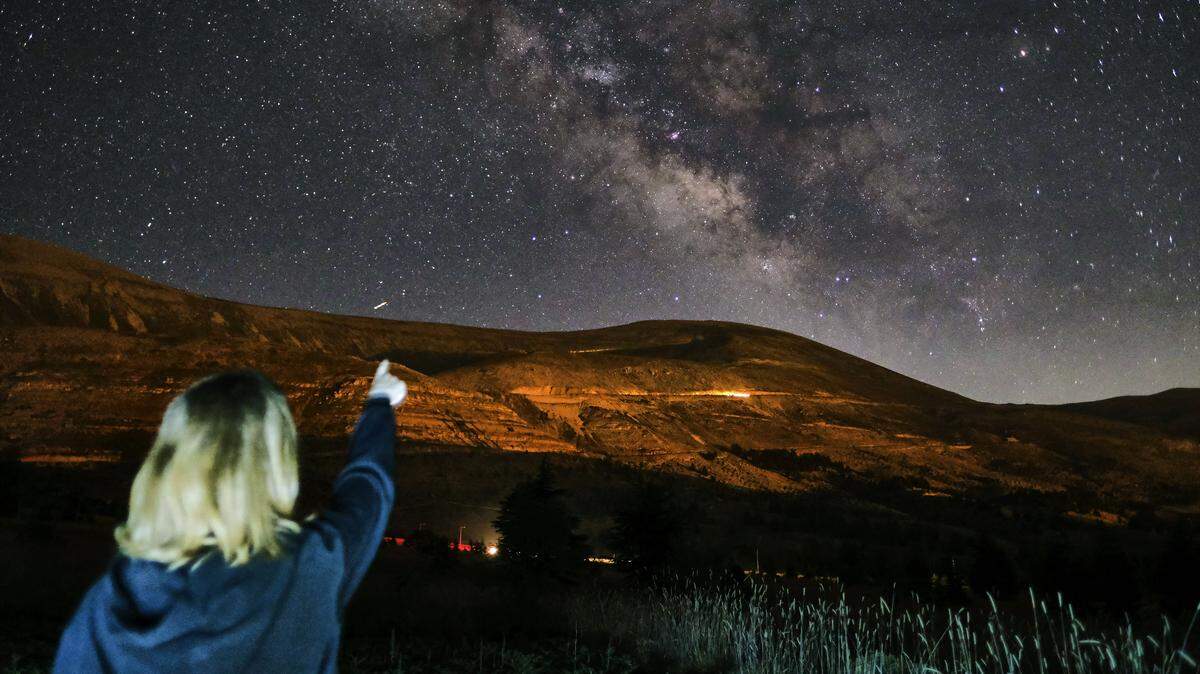
As cities grow brighter and stars get harder to find, travelers are heading the opposite direction — away from glow, toward darkness. Dark sky tourism, the growing travel trend built around visiting places with little to no light pollution, is reshaping where people go and why. From the auroras above Yellowknife to the desert skies over Moab, travelers are booking trips specifically to see the Milky Way, meteor showers, eclipses and the constellations their hometowns no longer reveal.
The movement is gaining real momentum. One estimate suggests dark sky tourism will be worth $400 million globally by 2030, representing 10% annual growth. In Western Australia, 89% of visitors surveyed showed interest in traveling specifically for stargazing. And Dark Sky International now recognizes more than 200 dark sky places across 22 countries — destinations that have committed to protecting night skies and reducing artificial light pollution.
Why Dark Skies Matter Beyond the View
Dark skies are not just a scenic luxury — they are essential to both ecosystems and human health, research says. Wildlife depends on predictable patterns of darkness and light for migration, breeding and hunting. Hatchling sea turtles use the bright sea horizon to find the ocean. Many birds migrate at night using dark-sky cues, and nocturnal mammals rely on natural moonlight and starlight to survive.
For people, the rhythms of dark and light matter too. Regular cycles support sleep, navigation and overall well-being. Tourism researchers in Australia define dark sky tourism as “tourism based on unpolluted night skies involving observation and appreciation of naturally occurring celestial phenomena” — a definition that captures both the science and the wonder driving the trend.
What Dark Sky Tourism Actually Looks Like
Despite rising light pollution worldwide, dark sky tourism continues to grow across a wide range of experiences. Travelers visit astronomical observatories, dark sky preserves and aurora viewing zones. They plan trips around dark sky festivals, solar eclipses and meteor showers. Stargazing domes, astrophotography retreats and Indigenous-led night sky storytelling tours have all become part of the landscape.
The result is a travel category that blends science, culture and slow tourism. Instead of cramming an itinerary, dark sky travelers often build trips around a single celestial event or a multi-night stay somewhere remote enough to actually see the stars.
For more information: The Best Sleep Retreats in America for Stress Relief and Deep Rest in 2026
Top Destinations for Stargazing Travel
A handful of places have become anchors of the dark sky tourism map, each offering something different — auroras, deserts, mountain reserves or culturally grounded sky experiences.
Yellowknife, Canada. Often called the aurora capital of North America, Yellowknife averages 240 potential nights per year to view the northern lights under suitable conditions. In 2018, about 34,000 visitors spent CA$57 million in the Northwest Territories capital — a sign of how much the night sky alone can move a local economy.
Tucson, Arizona. Tucson is considered one of the foundations of dark sky tourism. In 1972, it became the first city to adopt widespread ordinances to minimize light pollution. It also sits near Saguaro National Park, recognized by DarkSky International as an Urban Night Sky Place. “If you want to look up into the night sky and experience the southern Milky Way with a backdrop of mountains and saguaros – the giant cactuses – it’s great,” Peter McMahon, visitor centre operations manager at Kitt Peak National Observatory, told Gourmet Traveller.
Iceland. Hotel Rangá is considered one of Iceland’s top stargazing destinations, offering local astronomers and high-powered telescopes to help guests observe constellations and the northern lights. Iceland’s remote landscapes and low light pollution make it one of the best places in the world for aurora viewing.
Lake Tekapo, New Zealand. Lake Tekapo is part of the Aoraki Mackenzie International Dark Sky Reserve, designated in 2012. At the time, it was the largest reserve in the world and the only one of its kind in the Southern Hemisphere. The reserve takes in Aoraki / Mount Cook National Park, the Mackenzie Basin, Lake Pukaki and Lake Tekapo. Visitors can book guided stargazing tours, hot pool stargazing experiences, crater viewing platforms and virtual reality astronomy exhibits through the Dark Sky Project and other local operators.
Moab, Utah. Moab is an International Dark Sky Community and one of the strongest dark sky destinations in the United States. The area includes Arches National Park, Canyonlands National Park, Natural Bridges National Monument and Hovenweep National Monument. Local lighting ordinances cut down on light pollution, and residents can even receive financial assistance to retrofit lighting fixtures.
Where to Stay for a Dark Sky Trip
Lodging has become a major part of the experience, with properties designing rooms, tours and tents specifically for sky watchers.
In Australia, Pretty Beach House — north of Sydney — incorporates Indigenous storytelling into its stargazing through its Dark Sky Storytelling Tour in collaboration with Girra Girra Aboriginal Experiences. Similar cultural astronomy experiences are offered at Longitude 131°.
In Moab, Under Canvas Moab offers DarkSky-approved lodging with Stargazer tents featuring sky-viewing windows, guided astronomy walks, telescopes and seasonal luxury glamping. Travelers looking for an upscale desert stay can also book ULUM Moab, a Michelin two-key luxury glamping resort.
This article was created by content specialists using various tools, including AI.