The Best Sleep Retreats in America for Stress Relief and Deep Rest in 2026
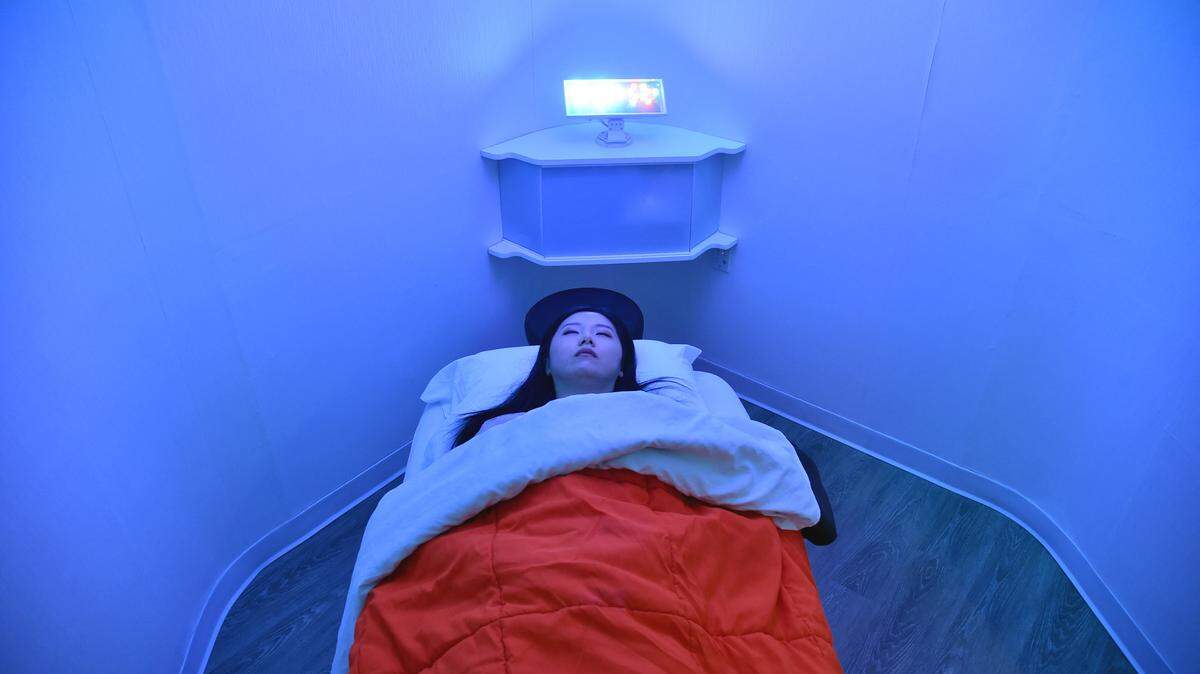
Americans are spending more time in bed than ever — but resting worse. That gap is fueling a fast-growing travel category built around a single goal: better sleep. A sleep retreat bundles smart mattresses, blackout rooms, recovery treatments and coaching into a vacation designed to fix what your bedroom at home cannot.
The stakes are real. The National Sleep Foundation’s 2025 Sleep in America Poll found that six in 10 adults do not get the recommended seven to nine hours of quality sleep each night, and nearly four in 10 struggle to fall asleep at least three nights a week. Adults who report good sleep satisfaction are nearly twice as likely to flourish in life as those dissatisfied with their rest.
What a Sleep Retreat Actually Includes
A sleep retreat is a hotel or wellness-resort stay built around sleep optimization rather than sightseeing. Programs typically pair engineered sleep environments — blackout curtains, soundproofing, temperature-regulating bedding — with spa treatments, coaching and guided wellness sessions.
At Sensei Lanai, A Four Seasons Resort in Hawaii, the five-night Rest and Recovery Package starts before arrival. Guests complete a questionnaire, track their sleep and connect with a Sensei Guide to build a personalized itinerary. The stay folds in two 90-minute spa treatments, forest bathing, breathwork, yoga and dining by Nobu.
Other programs lean harder on the room itself. Hotel Figueroa’s Rest & Recovery Suite in downtown Los Angeles pairs custom Pluto pillows with an AI-powered Eight Sleep mattress for temperature control, Molekule air purifiers, Bollsen Life+ earplugs and Rookie Wellness sleep sticks designed to support circadian rhythm.
Why Sleep Tourism Is Booming Now
A 2025 ValuePenguin analysis found U.S. adults now average nine hours of sleep per day, up from eight hours and 28 minutes two decades ago. But more time in bed has not translated to better rest — and the wellness industry is racing to fill the gap.
“Poor sleep health is a major risk factor for lower well-being across multiple areas of life,” said Dr. Joseph Dzierzewski, the National Sleep Foundation’s senior vice president of research. “Prioritizing sleep health can improve mental health, workplace efficiency, and stronger personal relationships.”
John Lopos, the foundation’s CEO, framed the stakes more broadly. “Sleep is fundamental to thriving across many aspects of life,” he said. “These results reinforce how crucial positive sleep health is to basic achievements that go beyond physical health.”
Where to Find a Sleep Retreat In the US
Programs vary widely in price, intensity and design philosophy. A few standouts:
Carillon Miami Wellness Resort offers a four-night Sleep Well Retreat built around the Bryte Balance smart bed, plus a 70,000-square-foot spa with thermal hydrotherapy and a touchless wellness circuit.
Equinox Hotel New York designed every room around sleep — motorized blackout curtains, temperature-regulating duvets, soundproofing — and its Art + Science of Sleep experience adds cryotherapy and access to the Spave Wave Table, which the property says “provides the equivalent of 3 hours of sleep in just 30 minutes.”
The Benjamin in Manhattan runs one of the country’s best-known programs, Rest & Renew, with a multi-option pillow menu, noise machines, triple-pane windows, a 24-hour sleep team and on-demand guided meditation. Sleep expert Dr. Rebecca Robbins helped design the rooms “to align with what we know to be effective for optimal sleeping environments.”
Smyth Tribeca in New York keeps it simple with its SleepMore package: breakfast in bed, magnesium sleep spray, plush pillows and a concierge-arranged trip to The Mysterious Bookshop for bedtime reading. Book by phone.
Sandpearl Resort in Clearwater Beach, Florida, takes a different approach with Nap Therapy — a spa session on hydraulic zero-gravity beds where guests are encouraged to fall asleep during the treatment.
The common thread: rest itself is the itinerary.
This article was created by content specialists using various tools, including AI.
This story was originally published May 12, 2026 at 11:04 AM.