The 8 Best Walking Holidays in Europe for Travelers Who Want to Slow Down
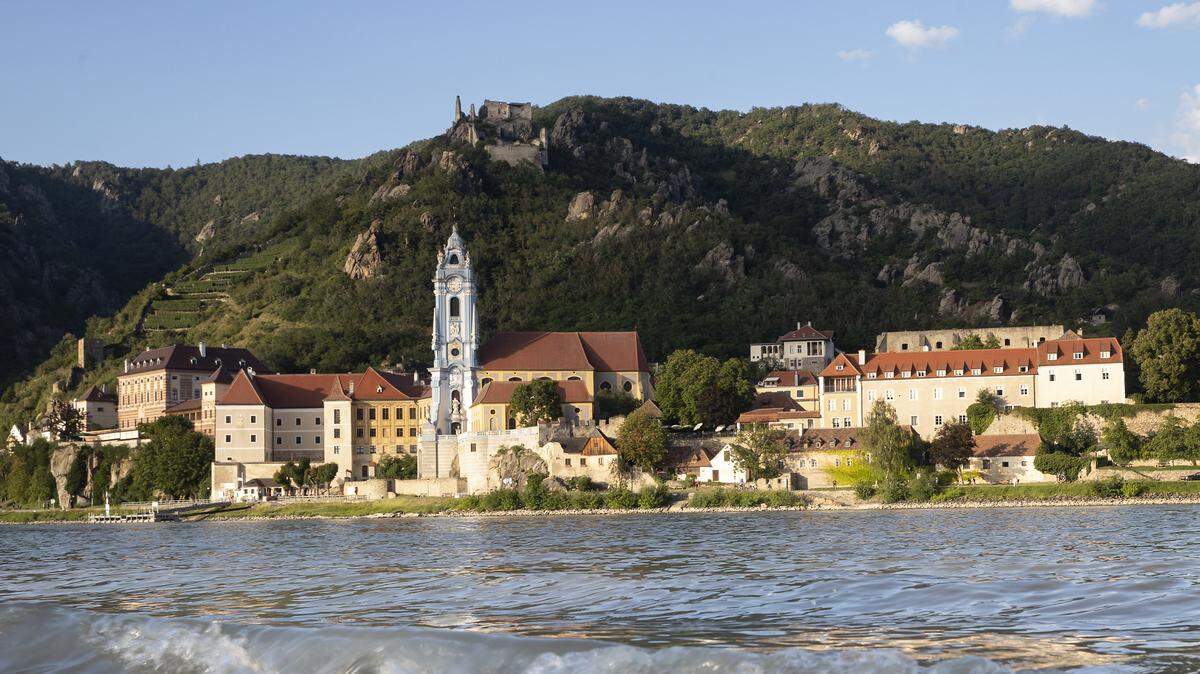
Walking holidays are quickly becoming one of the biggest forms of slow travel in Europe, and these 8 slow travel destinations explain why travelers are swapping fast-paced city hopping for scenic routes built around hiking, nature and local culture.
What Is Slow Travel?
Slow travel is an intentional approach to tourism that focuses on spending more time in one destination, choosing less crowded places and building deeper connections with the landscape and local community. The concept traces back to Italian activist Carlo Petrini’s International Slow Food movement, founded in 1989, which grew into a broader cultural push against rushed, mass-produced experiences.
Walking holidays have become a natural extension of that philosophy because hiking forces travelers to move at a human pace, notice the details and engage with the places they pass through. Instead of visiting multiple cities in a single trip, slow travelers often spend nine days or more in one place, stay in smaller hotels, eat at locally owned restaurants and skip overtouristed destinations like Amsterdam or Venice in favor of quieter alternatives.
Slow travel creator Gi Shieh told The Good Trade, “At its core, I think slow travel is about intentionality and connection.”
“It’s about spending more time at a destination to immerse yourself fully in the beauty and uniqueness of the land and its people,” Shieh said.
She also said, “Slow travel also means taking the time to note all the little details that make a place beautiful. Traveling slowly gives you a more mindful connection to the place you’re visiting.”
That mindset shapes how these European walking holidays are designed, with itineraries built around dramatic landscapes — Croatian islands, Austrian vineyards, the cliffs of Madeira and the coastal trails of Turkey — rather than packed sightseeing schedules. Travelers leave with more than photos: they leave with a sense of place that fast trips rarely deliver.
8 Slow Travel Destinations In Europe Worth Booking For a Walking Holiday
The 8 slow travel destinations drawing walkers right now are Vis in Croatia, the Wachau Valley in Austria, Cinque Terre in Italy, La Gomera in Spain, Graubünden in Switzerland, Mallorca, Madeira and the Lycian Way in Turkey. Each pairs distinctive terrain with the kind of unhurried pace slow travel is built around.
Vis, Croatia: This island reflects the local idea of pomalo, which means “take it easy.” It is known for hidden coves, preserved history and small-town restaurants, and it served as a filming location for Mamma Mia! Here We Go Again. Ferries from Split run between 1 hour 20 minutes and 2 hours 20 minutes.
Wachau Valley, Austria: The Wachau is a 22-mile stretch of the Danube River lined with castles, vineyards and baroque towns. Walking routes include wine tastings near Dürnstein and Spitz, views from Thousand Bucket Mountain and an 11-mile day through the Weiten hills.
Cinque Terre, Italy: Cinque Terre has 48 hiking trails and more than 120 kilometers of paths connecting its five coastal towns. Popular paid routes such as Monterosso–Vernazza, Vernazza–Corniglia and the Via dell’Amore require a Cinque Terre Card. The area became a UNESCO World Heritage Site in 1997.
La Gomera, Spain: This Canary Island is considered the archipelago’s top hiking destination, especially in winter when January and February temperatures reach around 22°C. Landscapes range from semi-desert terrain to cloud forests and terraced fields, with stays typically in boutique hotels rather than the larger resorts of nearby Tenerife.
Graubünden, Switzerland: The upper Engadin Valley in Graubünden blends Alpine hiking with botany and wildlife. Cable cars, local buses and the Bernina railway reach alpine meadows and scree fields where walkers may spot ibex, chamois and golden eagles.
Mallorca, Spain: The Serra de Tramuntana mountains pair walking with spa stays at properties like Valldemossa Hotel. Highlights include the Torrent de Pareis gorge, clifftop castles and ridgelines overlooking the sea.
Madeira: The Portuguese island is known for subtropical forests, terraced fields and steep Atlantic cliffs. Popular routes include the eastern region and an eight-mile forest hike through Ribeiro Frio.
Lycian Way, Turkey: The Lycian Way stretches between 500 and 760 kilometers from Fethiye to Antalya along the Mediterranean coast.
Which of These Slow Travel Destinations Suit Serious Hikers Versus Casual Walkers?
These slow travel destinations split fairly cleanly between gentle coastal routes and demanding multi-day treks, so the right choice depends on fitness, available time and how much guided support a traveler wants.
For casual walkers, Vis, Cinque Terre and the Wachau Valley are the most approachable. Vis rewards slow exploration with short walks between coves and villages, Cinque Terre’s coastal paths can be tackled in single-day segments using the Cinque Terre Card, and the Wachau’s 22-mile Danube stretch can be broken into easy day hikes between baroque towns and vineyards. Mallorca also accommodates a relaxed pace, with boutique hotel stays, spa treatments and yoga built into many itineraries.
For more experienced hikers, La Gomera, Graubünden and Madeira deliver more demanding terrain. La Gomera’s contrasts between semi-desert and cloud forest make for steep, varied days. Graubünden routes climb into alpine meadows and rock gardens where the payoff is mountain flora and wildlife sightings. Madeira’s cliffs and ravines are difficult enough that many walking holidays there are guided and focused on one part of the island, including the eight-mile forest hike through Ribeiro Frio.
The Lycian Way sits in its own category. Established in 1999, the marked trail follows ancient Roman roads and mountain paths and passes 25 historic sites, including UNESCO World Heritage locations and ancient cities. The full route usually takes 30 to 35 days to complete, though many travelers choose shorter sections. Coastal views and swimming stops in the Mediterranean make it a slow travel favorite even for those who only walk a stretch.
Across all 8 slow travel destinations, the common thread is intentionality. Whether the goal is a week of vineyard walks in Austria or a month tracing Turkey’s coast, these European walking holidays reward travelers who slow down enough to notice where they are.
This article was created by content specialists using various tools, including AI.