How an 1807 Sheep Show in Massachusetts Sparked the Midwest State Fair Tradition We Still Cherish
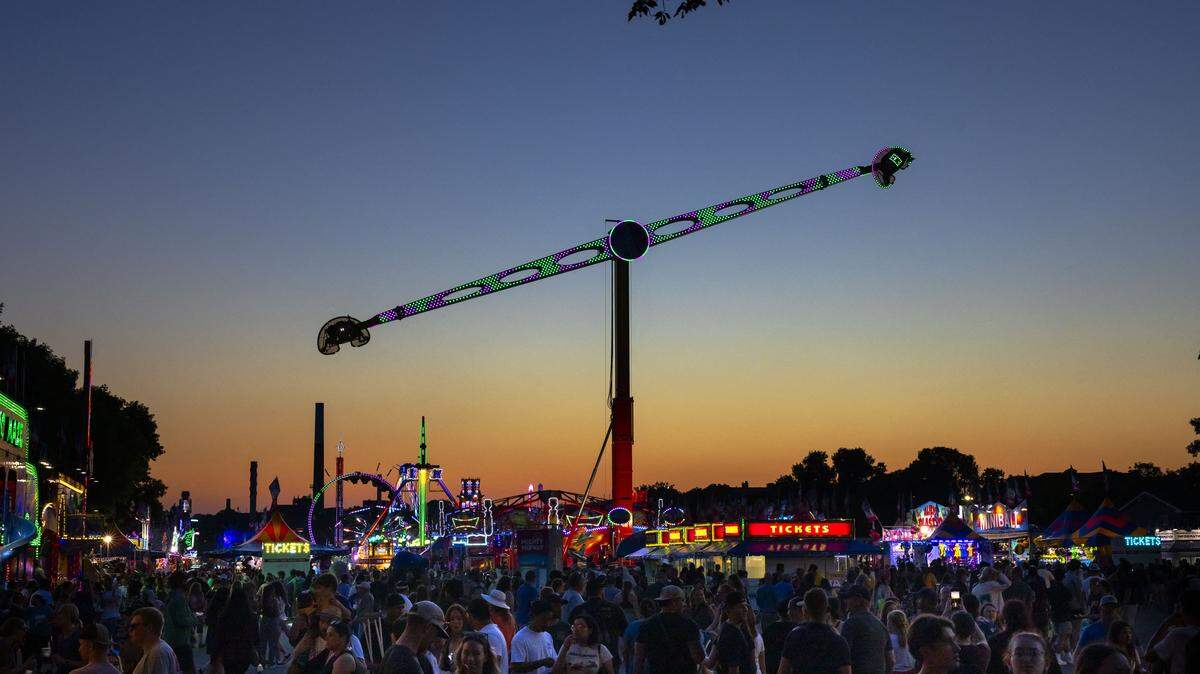
For generations of Midwesterners, the late-summer drive to the fairgrounds has been more than an outing. It is a return — to the smell of fresh hay, the hum of the grandstand, the blue ribbons pinned to a neighbor’s prize hog. Behind every funnel cake and every 4-H banner stands a tradition more than two centuries in the making, and the heartland has been at the heart of it almost from the start.
A New England Banker Plants the Seed
The modern American fair traces back to 1807, when Elkanah Watson, a banker and farmer in Pittsfield, Massachusetts, organized an exhibition to promote his sheep. What began as a humble showing grew into the Berkshire Agricultural Society and, with it, an entirely new way for rural communities to celebrate their work. The first official U.S. state fair followed in 1841, when New York gathered farmers in Syracuse to compete with their livestock and crops.
The Midwest didn’t wait long to embrace the idea. According to the Smithsonian, Michigan held its first state fair in 1849, followed by Ohio in 1850, Wisconsin in 1851, Indiana in 1852, Illinois in 1853, Iowa in 1854 and Minnesota in 1859. For many of these young states, the fair was the largest gathering anyone had ever seen — a place where pioneer pride met practical know-how.
The character of the fair as we know it today owes much to the 1893 Chicago World’s Columbian Exposition, which introduced the midway — a stretch of rides, games and food vendors that turned agricultural showcases into the all-day family adventures we still line up for.
The Iowa State Fair and Its Literary Legacy
Few fairs carry as much storytelling weight as the Iowa State Fair in Des Moines, held each August. Drawing more than a million visitors a year, it is one of the oldest and largest agricultural and industrial expositions in the country — and it inspired one of American literature’s enduring small-town classics. Phil Stong’s novel State Fair was born of this very gathering, and went on to inspire three motion pictures and the beloved Rodgers and Hammerstein Broadway musical.
Then there is the Butter Cow. Weighing roughly 600 pounds and standing 5.5 feet tall, this sculpted dairy marvel has greeted fairgoers since 1911. Across more than 100 years, only five sculptors have shaped her — a quiet line of artisans passing chisel and tradition from one generation to the next. For many Iowans, seeing the Butter Cow is the surest sign that summer has reached its peak.
Minnesota and Wisconsin Keep the Tradition Strong
A few hundred miles north, the Minnesota State Fair in St. Paul has earned its nickname as “The Great Minnesota Get-Together.” It is the largest state fair in the U.S. by average daily attendance, drawing around 200,000 people each day, and was named the best state fair in the nation by USA Today readers in both 2015 and 2025. With more than 500 food options — from deep-fried cheese curds to pickle pizza — it remains a paradise for the curious eater.
Just east, the Wisconsin State Fair in West Allis moved up two spots to No. 3 in the 2025 Blue Ribbon Group Top 30 rankings. Its famous cream puffs and the Dairy Lane exhibit keep the dairy state’s heritage front and center.
For those who grew up beneath the grandstand lights, these fairs are not just events. They are heirlooms, passed from one Midwestern generation to the next.
This article was created by content specialists using various tools, including AI.