The Food-First Travel Shift & Why Meals are Outshining Monuments
AI-generated summary reviewed by our newsroom.
- Travelers prioritize food over landmarks; culinary searches and bookings surge.
- Food experiences offer cultural access; markets, classes and meals build connection.
- Plan trips around dishes: research local foods, book classes early, allow discovery.
The creation of this article included the use of AI and was edited by journalists. Read more on our AI policy here.
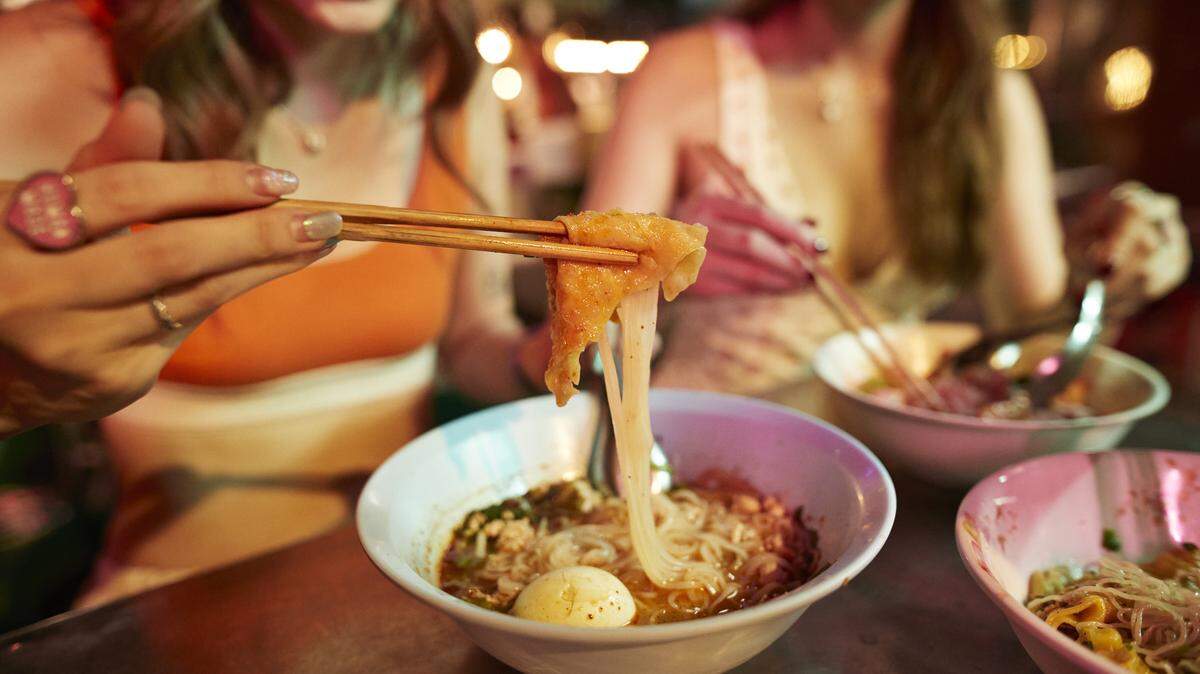
The classic trip planning question — “Where do you want to go?” — is being replaced by a far tastier alternative: “What do you want to eat?” Travelers are now prioritizing food experiences over traditional sightseeing, with culinary tourism searches and bookings at an all-time high. For many, the meal is now the destination.
What’s Behind the Culinary Tourism Boom?
Culinary tourism satisfies more than just physical hunger, it taps into something deeper — our desire for culture, connection and creativity. Food offers an immediate, sensory pathway to understanding a place’s history and traditions in ways that museums and monuments sometimes can’t. When you share a meal with locals, take a cooking class or walk through a market, you’re connecting with people in ways that go beyond language.
There’s also the hands-on appeal. Travelers want to participate, not just observe. Rolling sushi in Tokyo or kneading dough for fresh pasta in Tuscany transforms you from tourist to student, giving you skills and stories to bring home.
Social media has obviously played a huge role here. Instagram and TikTok can make a local dish or tiny restaurant blow up overnight. People look for photogenic meals and restaurants they’ve never seen before, post about them and suddenly everyone else wants to go too.
Where Food Lovers Are Going
Certain destinations are prime spots for culinary travel. Mexico City has become particularly well-loved for its vibrant street food scene and rewards curious eaters at every turn, whether you’re hunting for the perfect tacos al pastor, sampling mole sauces or trying out tamales.
Japan continues to draw travelers who plan entire trips around specific dishes or regions. The country’s food culture runs incredibly deep, from casual ramen shops to more elaborate kaiseki dining experiences.
Italy remains a favorite, and for obvious reasons. Cooking classes in Tuscany, market tours through Rome and endless supplies of fresh pasta and gelato keeps drawing visitors year after year.
Southeast Asia is a popular spot for the more adventurous eaters. Think night markets in Thailand, cooking schools in Vietnam and street food tours in Malaysia.
How to Plan a Food-Centered Trip
Planning a culinary trip requires a bit of a different approach. Instead of building your itinerary around monuments and museums, you’re organizing everything around flavors and experiences. Start by identifying the dishes you most want to taste, then work backward to find the best places to experience them authentically.
Popular cooking classes and food tours fill up quickly, especially in high season, so you’ll want to book those experiences well in advance. Local markets deserve special attention in your planning — they’re often the beating heart of a city’s food culture and offer both tasting opportunities and chances to learn about ingredients and techniques.
That said, make sure to leave room in your schedule for spontaneous discoveries. Some of the best meals happen when you follow your nose down an unfamiliar street or accept a local’s recommendation for their favorite neighborhood spot.
Before you go, research local food specialties so you know what to look for and check whether any seasonal food festivals or pop-up events coincide with your visit.
The Social Media Effect
If you haven’t been living under a rock, you know by now that food and travel content dominate social media. Travelers use these platforms to discover new destinations through photos and videos and find trending restaurants, then share their own experiences.
Which creates a powerful feedback loop. The more travelers share their experiences, the more others become inspired to seek out those same dishes and destinations. Paying attention to what’s trending on social platforms can help you discover up-and-coming food destinations before they hit the mainstream travel guides.
Making It Happen
Turning food travel inspo into actual bookings is easier than ever, you just have to have the right tools. Apps like Eatwith, Airbnb Experiences and Viator specialize in connecting travelers with local food experiences, from dinner parties to market tours. When booking cooking classes or food tours, read reviews carefully and look for hosts who are actually local to the area. Small group or private options typically offer more immersive experiences than large group tours.
TripAdvisor remains invaluable for locating top-rated eateries and markets, while Instagram, Pinterest and food-focused travel blogs provide endless inspiration for planning out your culinary itinerary. Make sure to confirm what’s included in any booked experience — whether meals, recipes or market visits are part of the package — and book early for the best selection.
The Practical Takeaway: Let Food Guide Your Next Adventure
Culinary tourism offers a fresh, flavorful lens for exploring the world. Instead of checking off monuments, consider building your trip around the flavors, techniques and people that make a destination unique. If you’re curious to try it out, just start simple: pick a dish you’ve always wanted to try and let your appetite lead the way.
This story was originally published December 16, 2025 at 3:17 PM.