
It’s a good time to take a break from gardening. But how long is too long?
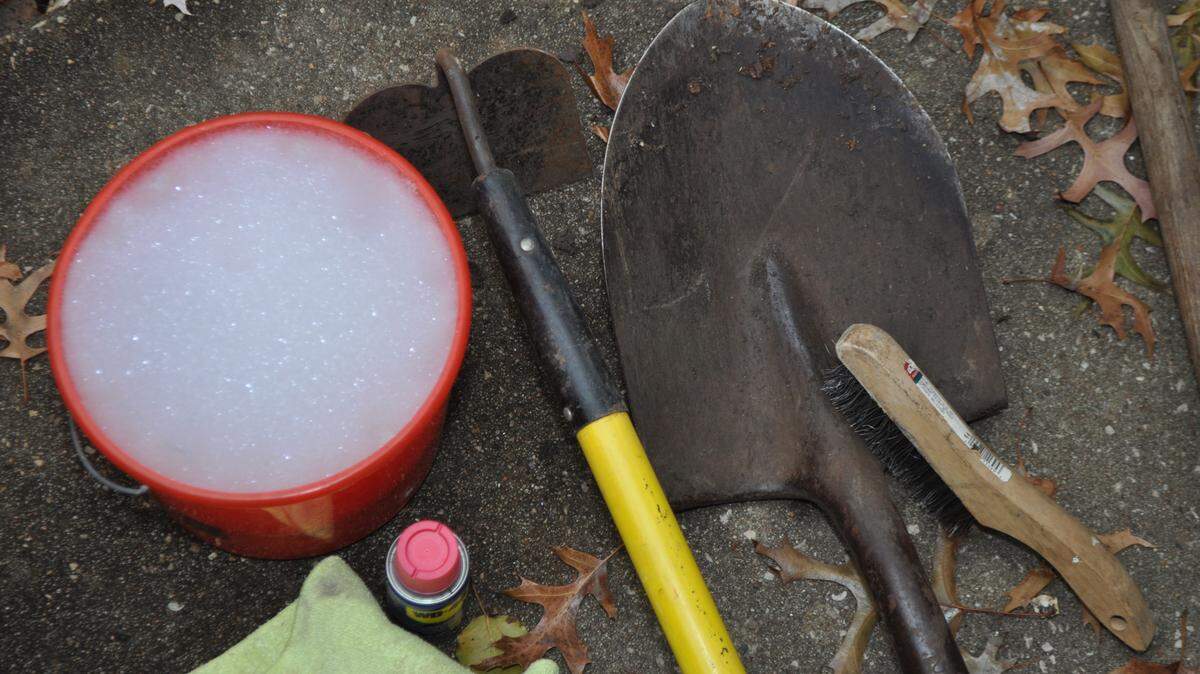
With winter around the corner , many gardeners may understandably currently find themselves on the side of wanting to avoid their gardens entirely — not wanting to look at, think about, or in any way deal with them.
For even the most experienced and passionate gardeners, a time can come when burnout and garden fatigue set in, even when lingering remnants of the growing season still demand some form of maintenance in the garden (from leaf and debris cleanup to tool care and wildlife management). This, among many physiological aspects, is another reason why the winter off-season is even more critical.
Why a break from gardening is essential
You need a break! But exactly how long, in the grand scheme of garden needs, should this break last? When should the wheels of the garden maintenance schedule start turning again?
A large part of beating garden burnout is, in fact, not seeking the advice of a regional newspaper columnist/extension agent/garden expert, but instead first simply listening to yourself and where your passions lie.
While all the effort in the world can make for a wonderful garden, achieving such a feat without satisfaction negates the purpose of having one in the first place. Many people garden because of a passion for the hobby and science of it, while others do it as a necessary food source for themselves or their families. Whatever your reason, it’s essential that on a mental level, gardening remains a source of satisfaction over obligation.
When to start preparing for the spring
Nevertheless, a point will come during the off-season when preparatory garden tasks are necessary for the upcoming growing season, including seed ordering, seed starting, plug care, pruning of grapes and brambles, spraying of fruit trees, soil preparation, and winter watering efforts. Typically, these efforts are staggered and not the most demanding of garden tasks, but they do need to be addressed before mid-March to avoid being overwhelmed as the new growing season begins.
So what’s the calendar look like? Allocate an afternoon in December for seed selection and ordering — done later, you’ll be limiting yourself to what’s left within suppliers’ stocks.
Keep in mind, however, that starting your plugs indoors isn’t a wholly necessary task. Many local garden centers can help you get your spring garden off to a good start with pre-grown plugs, leaving seed ordering to those crops that require direct sowing. Again, optional, but mid-January will generally be the time to start sowing indoor cool-season plugs, depending on their timing for a mid-March planting date.
Looking at fruit, late February is the general timeframe for thoroughly pruning grapes and brambles. This same time will be when any fruit trees requiring pest or disease treatment with dormant oil will need to be sprayed – just before bud swelling begins.
From a winter-long perspective, ensure that perennial plants in the garden maintain adequate moisture by keeping the soil mulched and watering on a three to four week schedule when temperatures are in the 40s. Any soil amendments for gardens should have been worked in by the fall (the best time for the task), but if they haven’t, lighter amendments can be applied just before spring planting as well.
These tasks, well-spaced but equally tackled, will reinvigorate you for gardening once more.
And don’t forget your winter toolbox of local resources:
- Kansas Garden Guide: Your comprehensive reference for planning, planting, and troubleshooting all year.
- K-State Garden Calendars: Monthly reminders of timely tasks so you never feel behind.
- Extension Garden Hotline: Got a question during your reset? Call or email for personalized, research-based help.
Anthony Reardon is a horticulture agent with Kansas State University Extension, Johnson County. Have more questions?