
During dry fall, here’s how to protect your Kansas City-area landscaping
This fall season, we have experienced some unique weather patterns.
Not only was the temperature warmer than average for much of October, but there was also no rain. In fact, there was more rain in Phoenix, Arizona, than there was here in the Kansas City Metro.
Dry fall conditions make for good fall color. However, if you were planting trees this fall, because it is the best time to grow and establish, they will need help well into winter to ensure they survive.
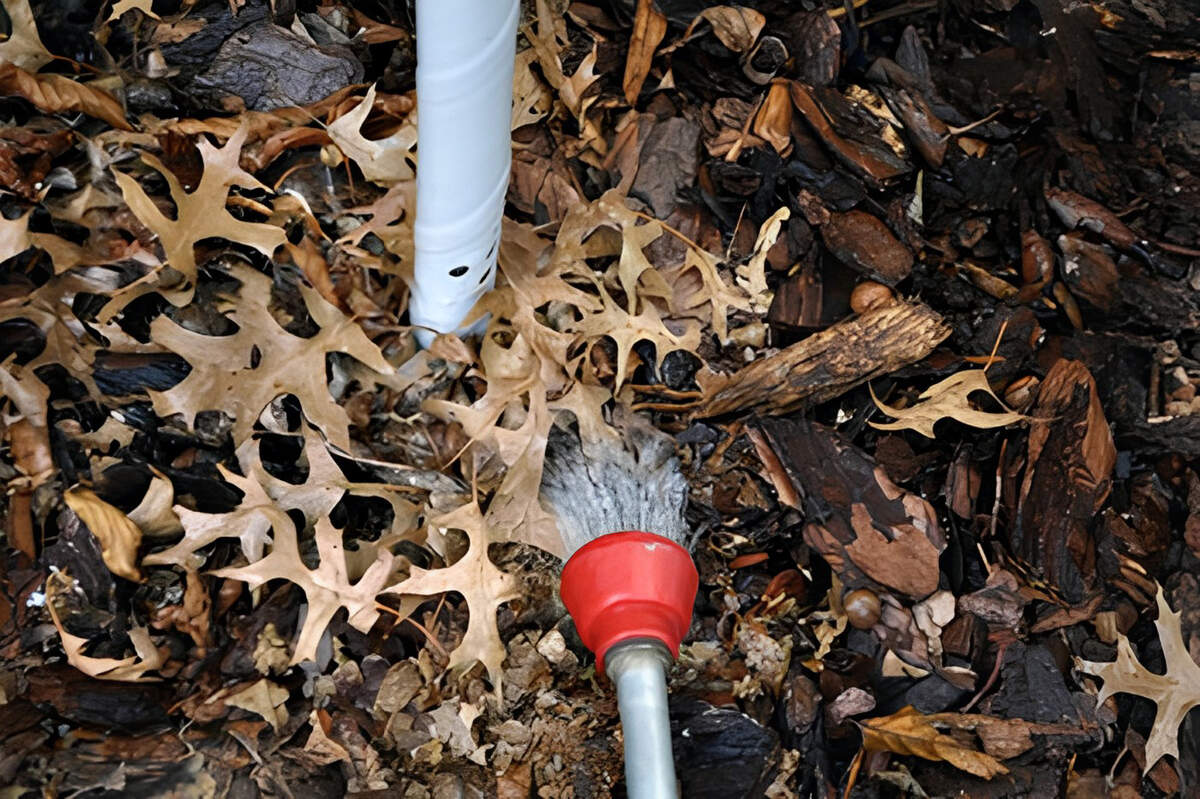
How transitional zone weather impacts winter plant care
This area of the Midwest is located in a transitional zone in the country. The transitional zone, also known as an ecotone, is a region situated between two distinct ecological communities. To the east of us, we have deciduous forests, and to the west, there are expansive semi-arid grasslands.
We experience the summer heat of the southern states, such as Texas, while also getting the winter cold found in the Ohio River Valley.
This also plays a role in the amount of participation we receive each year. No two years are the same, and predicting the amount of rain we will receive each season is almost impossible.
This year was one of those unexpected years, lots of rain in the spring and beginning of summer, and also dry as a bone in late summer.
Winter watering for newly planted trees
With such an unusual end to the growing season, the plants in the landscape might need a little help to make it to the next season.
For instance, fall is an ideal time to plant trees, but without regular cold temperatures that cool the soil, your tree might still have leaves and an active root system. Regularly watering your newly planted plants during this time will add much-needed moisture to the root zone, helping to keep your plants hydrated throughout the winter.
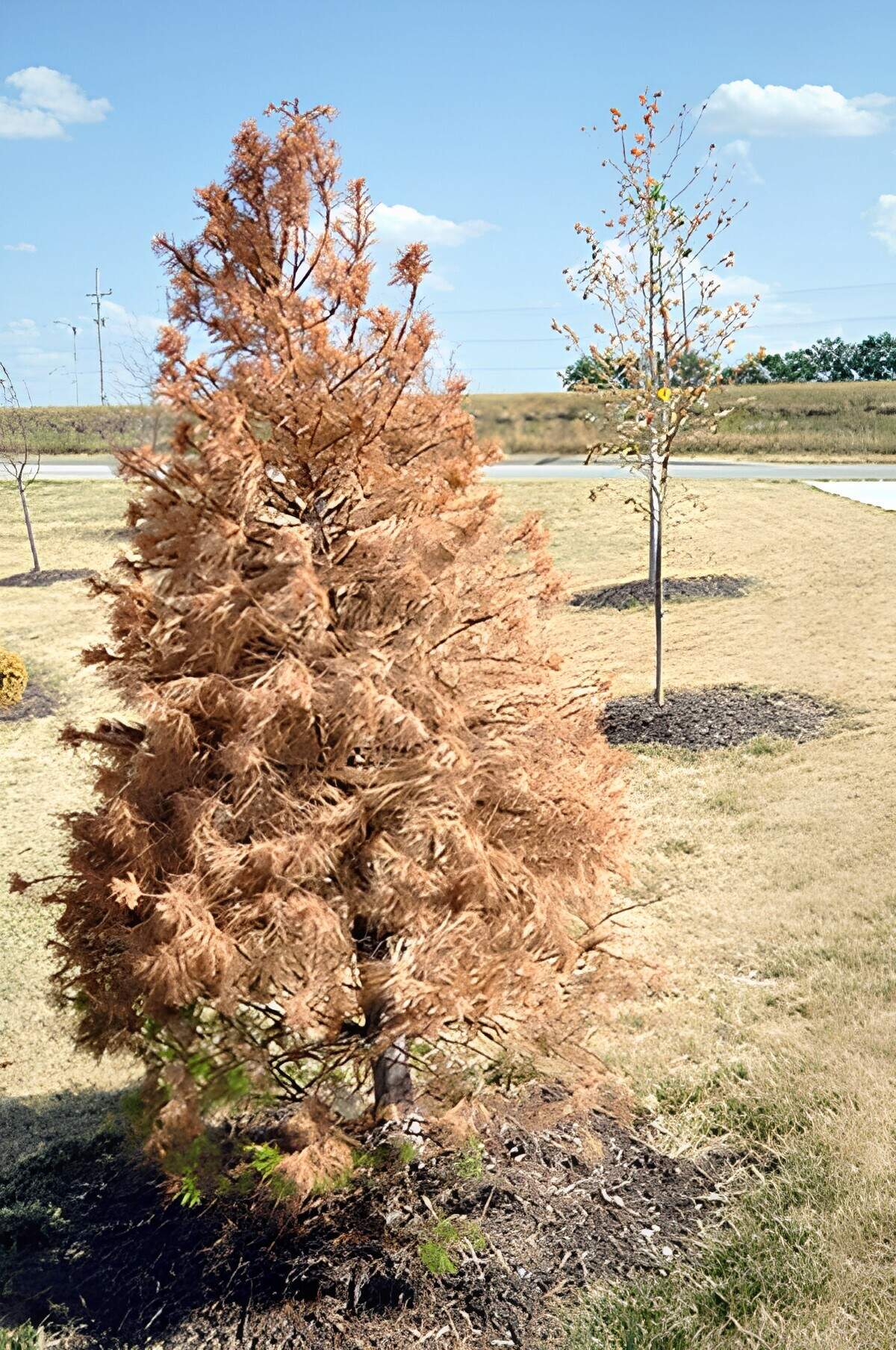
Evergreen trees do not completely lose their leaves during the winter. They will need to take up water when we have mild winter temperatures. This fall, we have already seen the temperature hit above 70°F after our first initial freeze.
There will be other days during the winter when we experience higher-than-average temperatures for our area. When we do, the conifers that provide you with green color and privacy screening will need some water to keep them growing healthily.
Winter moisture needs for spring-flowering bulbs
Newly planted trees are not the only plants that can use some extra help. Many of our bulb species that bloom in the spring need to grow roots before the ground freezes.
Tulips, daffodils, crocuses, and hyacinths can become victims of drought during a dry fall season when they are supposed to be establishing a root system.
Cool-season lawn care: Watering turfgrass in winter
Cool-season grasses are also plants that can use extra water during a mild, dry winter. Those grasses love mild temperatures and will continue to grow and stay green as long as temperatures are not consistently below freezing. Not only will some turf areas need to be mowed, but they will also need water.
Watering your plants during winter may feel inconvenient—especially if your irrigation system has been shut down or the hoses are stored away. Hauling buckets or refilling tree bags isn’t the most glamorous garden task.
But protecting your trees, turf, and bulbs now is far easier — and far less costly — than replacing stressed or dead plants in spring. A little winter moisture can make the difference between a landscape that struggles and one that enters the next growing season healthy and ready to thrive.
Markis Hill is a Johnson County, Kansas State University Extension horticulture agent. Need help? Contact the Johnson County Extension gardening hotline at 913-715-7050 or email garden.help@jocogov.org.