
Why root vegetables can change flavor as fall hits Kansas City area gardens
With autumn at our doorstep, many, like me, may currently find themselves indulging in the simple pleasures of the season, with everything from spiced coffees dwindling their bank accounts, flannel clothing littering their closets, to the next and best in “pumpkin chic” riddling their homes.
And yet, for vegetable gardeners, another benefit comes with the autumn season that they may not fully be aware of: With fall crops comes “fall flavor”!
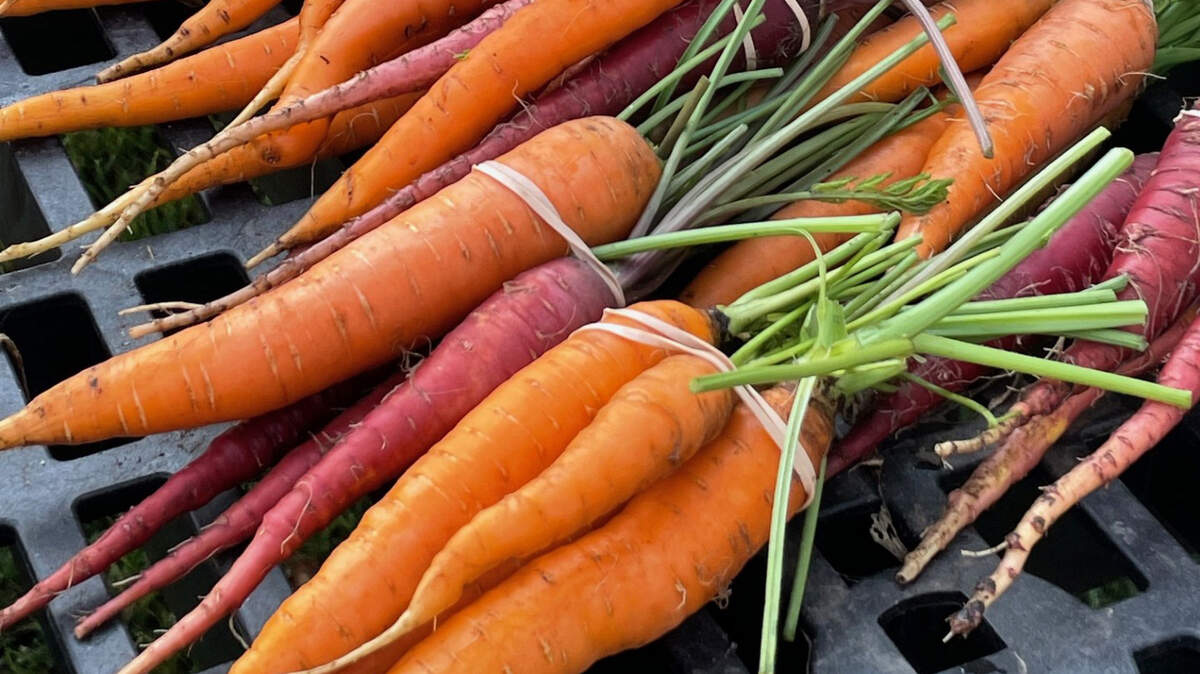
No, not pumpkin-spiced carrots (although what a concept), but sweeter root crops, including carrots, beets, turnips, parsnips, and more.
After these crops are exposed to a light freeze near the end of the season, the starches within them gradually turn to sugar, sweetening their palatability. So, exactly how and why does this happen?
Why root vegetables taste sweeter after a frost
As temperatures gradually change and light freezes occur, many root crops trigger biochemical responses that help them acclimate. In essence, their systems know that “freezing” = imminent death. So, they adapt their systems to be less likely to freeze.
Sugar, as opposed to the natural starches within root crops, has a lower freezing point. Thus, with converted sugars in their system, the environment requires a more substantial freeze to affect them. As a result, we get sweeter, less bitter and milder crops.
Which vegetables benefit from light freezes
While this natural benefit of the season benefits many root crops, not all handle freezes so gracefully.
Less hardy varieties of radish and especially sweet potatoes will likely be ruined by even a light freeze, making it essential for gardeners to know the difference between which plants are about to taste better and which are about to die.
In addition to carrots, beets, turnips, and parsnips, light freezes prime hardier radishes and rutabagas for sweetening. Cole crops, including cabbage, Brussels sprouts, kale and broccoli, will be included on the non-root crop side.
When to harvest before a hard freeze hits
Ideally, these crops will only be allowed to be exposed to one or two light frosts to better their flavors without pushing the plants too far.
Past this point, plant growth will begin to cease, resulting in the same state in their crops as if a hard freeze has happened.
Timing is everything, and if meteorologists predict a hard freeze below 27 degrees Fahrenheit, gardeners should skip “sweetening” and focus on saving the remaining harvest.
Nevertheless, waiting and extra mulch insulation can help turn your earthy end-of-season snacks into mild, sweet, and savory treats if only light freezes persist.
How to store root crops for the winter months
Once finally harvested, fall root crops (excluding sweet potatoes) are best stored in cool and humid conditions until used.
Kept at just above freezing, many root crops can continue in a cellar or refrigerator for several months if the correct keeping conditions are met (humid but with airflow, no damaged plants).
With the sugar adaptations, many people like to utilize these in stews, breads, roasted, or raw. Just in time for the upcoming holiday festivities or the weeks leading up to them! However you enjoy them, you can count these seasonal goodies as one more pleasure of the season.
For more tips on timing, protecting plants, and extending your harvest into the colder months, check out the Kansas Garden Guide — a free, comprehensive resource from K-State Research and Extension to help gardeners thrive in every Kansas season.
Anthony Reardon is a horticulture agent with Kansas State University Extension, Johnson County. Have more questions? Contact the Johnson County Extension gardening hotline at 913-715-7050 or email garden.help@jocogov.org.