
Want to pick blueberries in your backyard? Soil pH is the secret to success in KC
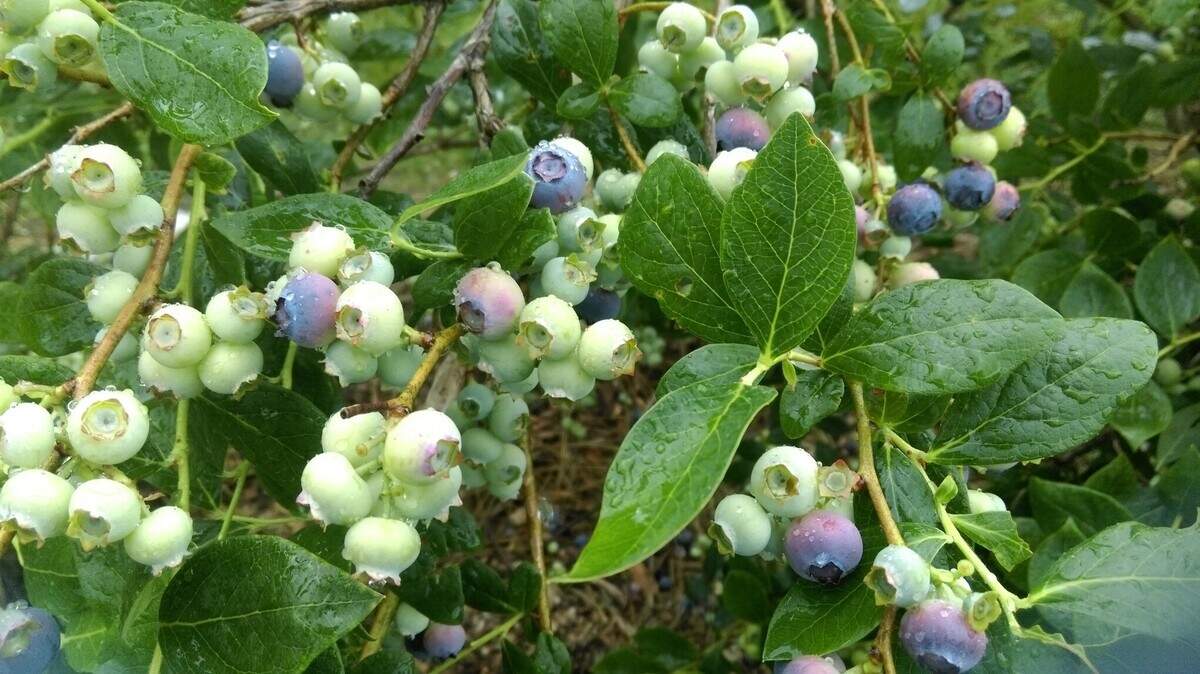
With the onset of the warmer season, one fruiting shrub that is often sought yet rarely achieved successfully in the Kansas City area may once again be finding its way onto the wish list of prospective gardeners.
Blueberries — delicious and bursting with antioxidants and abundant fruit, easy to harvest and aesthetically pleasing — have much to offer the home gardener. However, they aren’t native to this area, which presents unique problems when it comes to the very soil and water they grow in. So what does it take to grow blueberries successfully here?
As many seasoned gardeners are aware, achieving the correct soil pH for blueberries is essential, as they are very sensitive to alkaline conditions hindering their nutrient uptake. An acidic soil with a pH of 4.5-5.2 is ideal. Unfortunately, our local soil averages a pH of 7.0-8.0, with an abundance of limestone contributing to its neutral alkalinity.
This is where soil isolation and soil amending become necessary. In the case of soil isolation, the ground itself is kept separated from its surroundings with raised beds, planters, large pots or even creative in-ground barriers. With soil amending, many of your typical garden fertilizers are used to adjust pH, but this is done with a mindset of ongoing adjusting and monitoring.
Amending soil for a hospitable blueberry pH often involves not only adding sulfur to the ground, a commonly used acidifying agent, but also the utilization of peat moss, an acidic organic matter. Sometimes, gardeners will then take this a bit further and omit local soil from planting holes altogether, only filling with peat moss.
This triple affront to addressing pH problems can be successful, but it is not without caveats. Blueberries, in addition to being pH sensitive, are very moisture sensitive. They will dry out or succumb to root rot quickly. Piling on, the ground water itself within the KC area is alkaline (hearkening back to the limestone in our soil), lending to a soil pH that is never “perfect” forever. Gardeners must take the approach of continual monitoring and improvement of a blueberry soil pH, where it is never “fixed,” but can rather be deemed “OK for now.”
Attention must then also be paid to the basic care components of the plant. Full sun is required for the branches to develop the flower buds that produce fruit. Mulching liberally with an acidic mulch like pine needles, pine bark, or more peat moss will assist with the plant’s rigorous moisture requirements. If you have a new planting, flowers should ideally be removed from the shrub altogether during the first two years of establishment, so that the plant can direct its energy toward establishing rather than producing. Also worth noting: at least two different varieties of plants are necessary for proper pollination.
And finally, when the plants are producing, the shrubs should ideally be covered in some form of mesh netting system to prevent birds and other forms of wildlife from consuming them.
You can learn more about the essentials of growing blueberries, while also highlighting tasty ways to incorporate the antioxidant-packed fruit into your meals, in our ”Brilliant Blueberries” Dig Your Dinner virtual webinar with Anthony Reardon and Chelsea Reinberg from noon to 1 p.m. May 21.
All in all, blueberries can be a very rewarding fruiting plant specimen to have in the garden, but their bounty is earned. Hard work and diligent monitoring will spell success.
Anthony Reardon is a horticulture agent with Kansas State University Research and Extension. Need help? Contact the Johnson County Extension gardening hotline at 913-715-7050 or email garden.help@jocogov.org.