
‘Succession’ is a hit on TV — and in the garden. Here’s how to make the method work
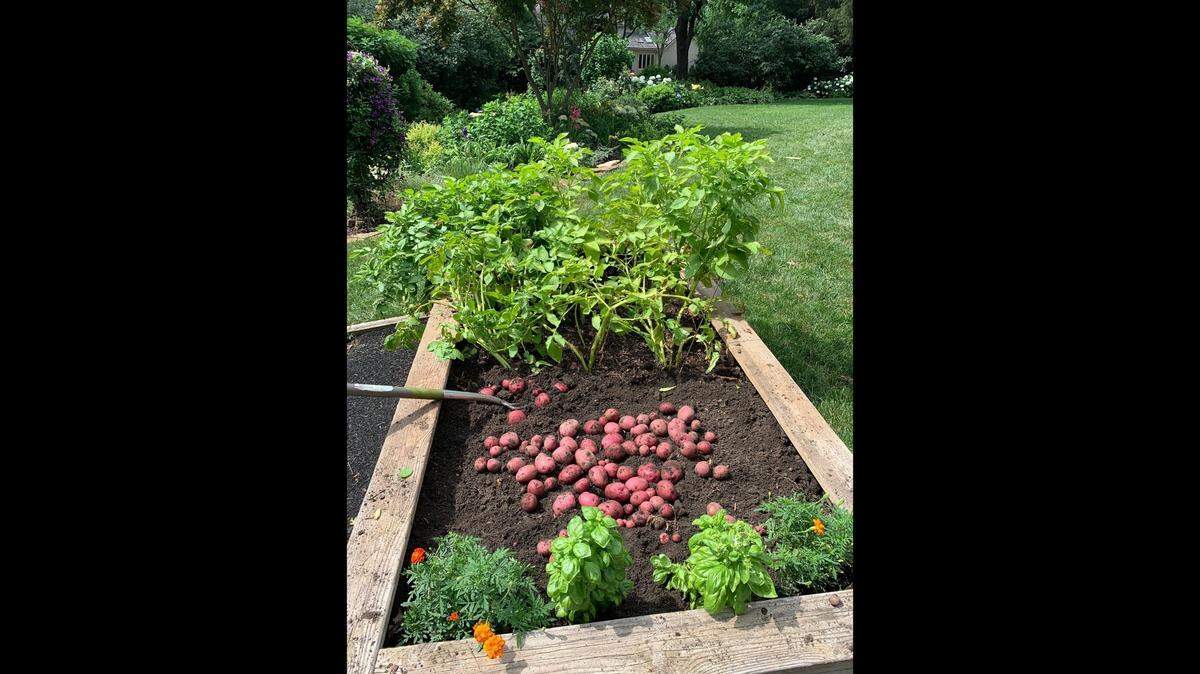
As the warmer part of spring approaches, many gardeners are readying their warm-season vegetable starts, slowly acclimating them to the outdoors and preparing them for transplant. Seeds have been sown, watered and reared. Yet one lingering question may be plaguing a gardener when staring at a garden full of not-quite-harvestable cool-season vegetables: “Did I time my starts right?”
When aiming for maximum garden production, the timing of vegetable starts is crucial. Done correctly, one crop immediately replaces another in the garden, with harvests moving growing plants in and out like a conveyor belt. Done incorrectly, bare soil sits underutilized and exposed to the elements for a prolonged time, or starts are left to continue growing indoors, elongating and losing vigor, as their predecessors take their time vacating their allocated land.
The solution to this conundrum is the gardening technique known as succession planting.
Here, plants are timed to have immediate replacements in the garden upon harvest or when they are no longer producing at full capacity. Succession planting is a holistic approach to constructing a garden’s planting plan for the growing season and beyond.
A draft of a week-to-week blueprint is made using the “days to harvest” for every intended plant variety. Then, the plan outlines exactly when each plant will be physically present in the garden throughout the year. The planting and harvesting of crops are highlighted, emphasizing how these events tie together. A continually producing garden is ultimately achieved, with little to no space or time left not utilized.
Variables, however, will also need to be accounted for. What if it’s raining and muddy for two weeks while you intend to harvest potatoes? What if you’re out of town the week carrots are supposed to be sown, stopping the transplant of your already-overgrown tomato starts? This is where buffer weeks come in handy, offering extra time in a planting plan to address unexpected roadblocks.
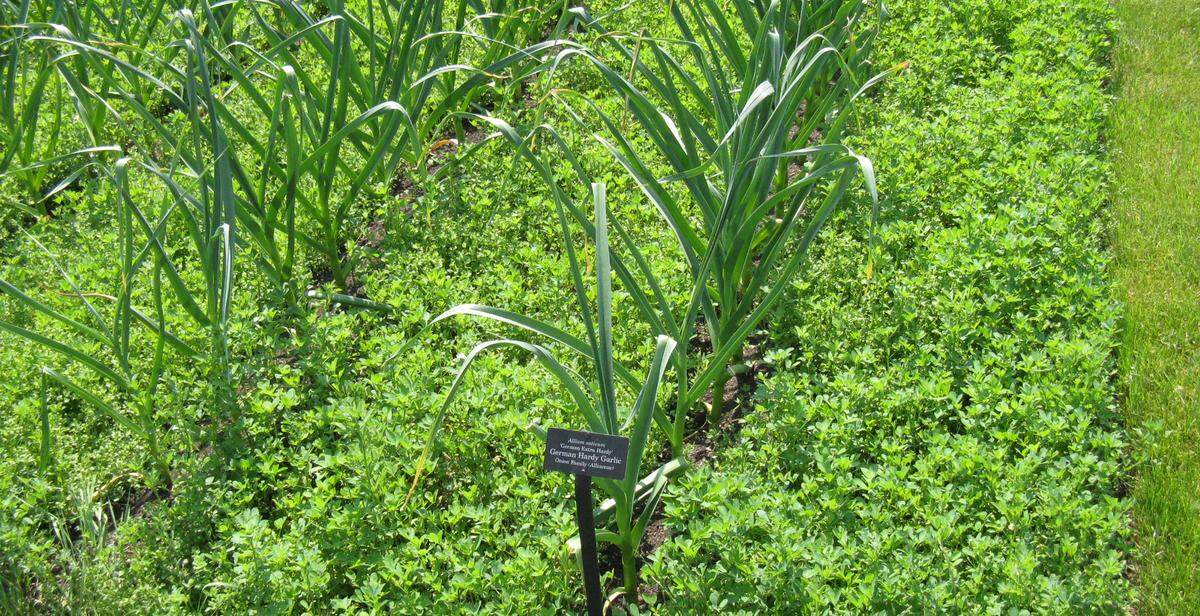
These buffer weeks will also provide an opportunity for another important aspect of high-production gardens: upholding the soil quality. Highly utilized garden soil requires frequent amendments, as continually growing plants deplete nutrients. Remember with these amendments that nitrogen is the primary macronutrient needing to be resupplied, as phosphorus and potassium take time to deplete. Incorporating compost will also assist in optimizing soil structure. If tilling can be avoided during replanting (instead, only dig where the plants go in), this will also help in retaining the quality of soil aggregates.
Succession planning can also be taken a step further with intercropping, where two kinds of plants are grown within the same space to have the succession of plants growing alongside one another. Intercropping can be very beneficial when done correctly. Gardeners should remember, however, that all plants compete against each other for water, light, nutrients and space. As such, intercropped plantings should be done with research and forethought.
Finally, remember that if this is your first time constructing a succession plan, it will act more as a guide in its first years of being finessed. Be sure to keep a gardening journal, noting not only how plants perform but also challenges in getting them to harvest and those unexpected “roadblocks” that can perhaps be a little more expected next time, leading to a successful and reusable succession plan that works for you.
Anthony Reardon is a horticulture agent with Kansas State University Research and Extension. Need help? Contact the Johnson County Extension gardening hotline at 913-715-7050 or email garden.help@jocogov.org.
This story was originally published May 2, 2025 at 6:00 AM.