
The cover crops you put in last autumn have done their job. Here’s what to do next
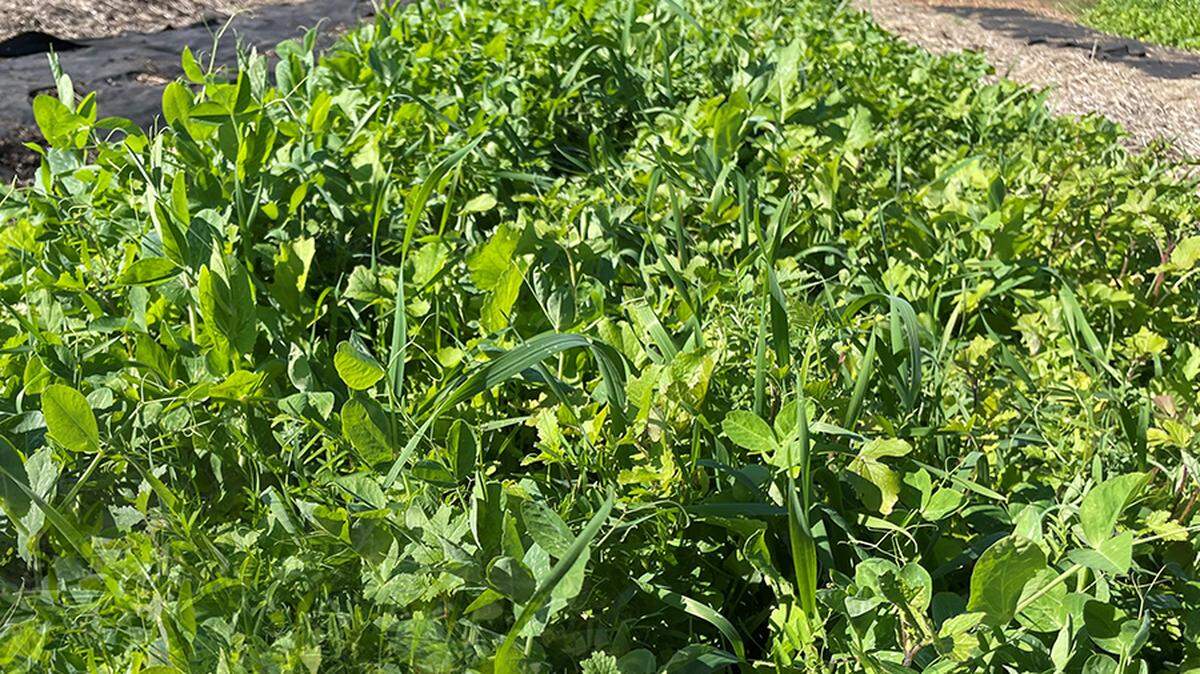
With cool-season vegetable crops going into the ground, many gardeners who ventured into cover cropping last autumn may ask a familiar question: What do I do now?
Their crops have fulfilled their purpose: anchoring the topsoil, retaining soil moisture and biome, and fixing nitrogen into the ground. However, with planting season upon us, it’s time to address the thatchy mat of beneficial crops that should be removed for new planting.
First and foremost, it’s crucial not to delay. While cover crops offer numerous benefits to a vegetable garden, they can go to seed when left unattended, ultimately creating a massive seedbed that will require mitigation efforts throughout the growing season. The risk of this is exceptionally high with grassy cover crops — such as winter rye, annual rye, wheat, barley and oats — as these crops develop deep root systems over the winter, allowing them to use spring moisture and heat quickly. You can prevent this potential issue and maintain control over your garden by acting promptly.
Then, there is the matter of how the benefits of some cover crops are not fully realized until they are incorporated into the soil. With nitrogen fixers specifically — which include hairy vetch, various clovers and other legumes — the majority of nitrogen contributed to the soil takes place when the leafy masses of the plants are, by one method or another, returned to the ground. While some nitrogen is released from their roots while growing, a much more notable amount is made available as a whole plant decomposes.
A few different methods are used to incorporate cover crops, and the ones to choose will largely depend on the crops, the effort required and the methods a gardener is willing to use. Crimping is the process of severing a crop at the base and laying it over to create a decomposing thatch/mulch layer for the garden without disturbing the soil. Mowing provides similar benefits but produces more finely chopped mulch with smaller particles, ultimately leading to quicker breakdown. Tarping smothers the plants and relies on trapped moisture and heat to accelerate degradation.
For the more hands-on approaches, working the soil and tilling remain options for quick turnaround. However, these methods should be used sparingly. Every time a soil profile is disturbed, its aggregates are broken down, its beneficial fungal system is pulverized, and the overall microbiome is left less beneficial than it would be otherwise. Over time, excessive tilling leads to eroded and diminished topsoil, polluted waterways and ultimately less-vigorous crops and harvests.
And don’t forget to consider which crops will take their place. Heavy-feeding crops like broccoli, cauliflower and cabbage thrive in nitrogen-fixed soil. Crops with shallow roots like lettuce, radish, beets and various herbs are great candidates for a garden bed with a thick thatch layer that slowly breaks down and feeds the soil. Cover cropping is most successful when we consider its benefits and pair them with crops that can tap into those benefits the most.
Anthony Reardon is a horticulture agent with Kansas State University Research and Extension. Need help? Contact the Johnson County Extension gardening hotline at 913-715-7050 or email garden.help@jocogov.org.
If you want to learn more about best practices in your lawns, gardens, or yards, come to the Healthy Yards Expo at the Shawnee Civic Center from 9 a.m. to 2 p.m. March 29. Purchase native plants, register for door prizes, and learn from educational speakers and local vendors. Two puppet shows by StoneLion Puppet Theatre are offered for young kids, and a Soil Tunnel Trailer traveling museum is all free.
This story was originally published March 21, 2025 at 5:00 AM.