
Not so fast: Before tackling spring garden tasks, consider wild temperature swings
I don’t know about you, but March is a special month for me. Why? Spring is a magical time when the outdoors comes back to life, and a gardener like me can visualize all the work ahead for the year.
I’m considering which plants I could get in the ground right away, trees and shrubs I’ve seen in a plant catalog, or that one giant ornamental grass that still needs to be divided. Even though we all want to start immediately, it’s important to remember we aren’t out of the cold yet.
The Kansas City area is a very unique place, even in the Midwest. We have negative overnight temperatures one day, and three days later, it’s 60 and sunny. In years past, gardeners in this area have sat in limbo, trying to decide whether to plant or not to plant, because of potential freezing temperatures. This can get frustrating if you are not patient. I want to jump at the first opportunity to put colorful annuals, such as snapdragons and pansies, in the ground. However, not every annual I want will handle the inevitable dip into freezing temps.
Even seeds that I cascaded over my flowerbed are liable to get tricked by the up and down temperatures. If you plan to garden in early March, you need to get some sort of frost blanket. Frost, tiny frozen water droplets, can form on outside surfaces during overnight freezes. A frost blanket protects the tender tissue of the plants by retaining enough heat to stabilize the temperature surrounding the plants it covers.
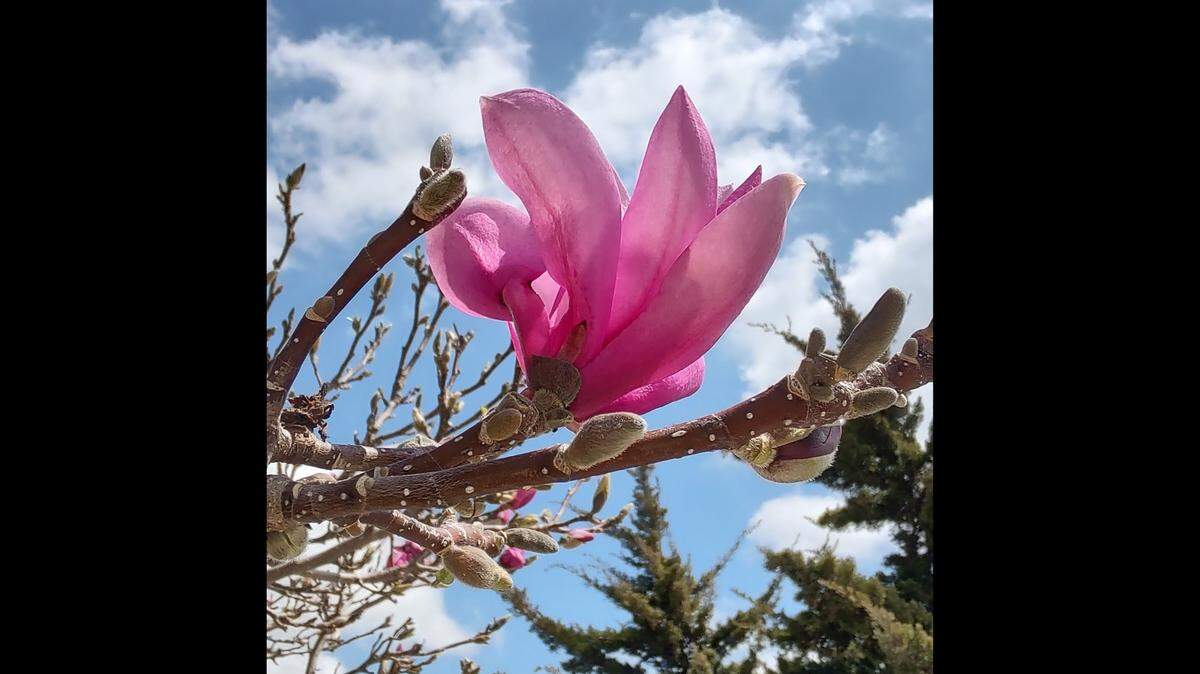
Trees and shrubs that have historically been hardy in this area can also struggle with frost in the early spring. Saucer magnolia trees are notorious for blooming just as temperatures heat up for a short period, only for a hard frost to follow, typically damaging the newly opened flowers.
I know people in the metro area who have never seen their magnolia trees in full bloom because the frost took them out just as they were getting going. But there is hope.
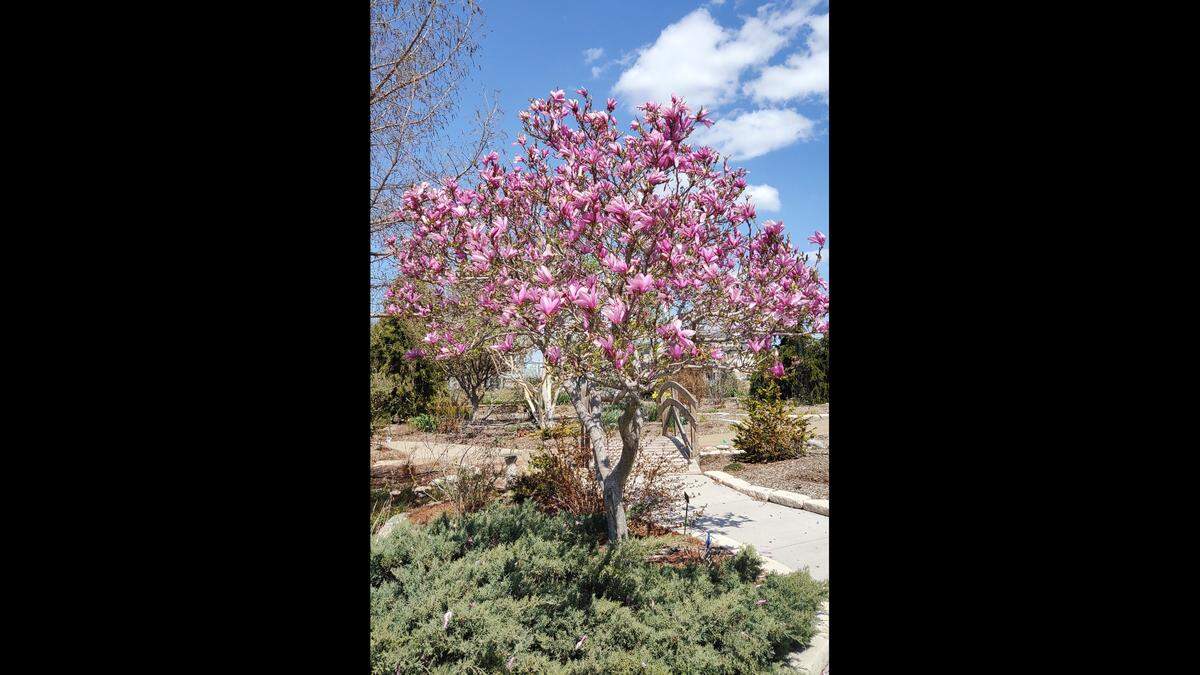
The good people running the John C. Pair Center in Sedgwick County are working hard to get a better product to the consumers. When erratic Kansas City weather happens, plants at the John C. Pair Center also experience these conditions. These plants are test subjects. Data on the best-performing varieties and genetics is made available to suppliers and nurseries in Kansas and surrounding areas. These varieties will be introduced and advertised as able to handle temperature extremes. Adding these selected varieties to your property will add resilience to your yard for years to come.
Dividing perennials is still a safe activity for this early in the season. Hosta, grasses, daylilies, sedums, yarrows and more are right for division in the spring. One great benefit to dividing perennials is spreading beauty to other parts of your garden that might be bare, preventing erosion and providing habitat to wildlife. Also, landscape plants can lose their vigor when they become too large. By dividing them, you will encourage new, vigorous growth from the smaller plants.
As we move through this unpredictable time in the calendar, remember to be patient. Not completing, or rushing into, early spring tasks will not make or break your garden this year.
Before you know it, the daily temperatures will be in the 90s, and your task priorities in the garden will have shifted. However, researching appropriate varieties, and planting for our volatile temperatures, will help your success rates.
If you have questions about what plants might best fight your situation, reach out to our Garden Hotline where our Extension master gardeners are on hand Monday through Friday starting March 1. Call 913-715-7050, or email garden.help@jocogov.org with your questions.
Anthony Reardon is a horticulture agent with Kansas State University Research and Extension. Need help? Contact the Johnson County Extension gardening hotline at 913-715-7050 or email garden.help@jocogov.org.
This story was originally published February 28, 2025 at 6:00 AM.