
Gardeners, are you preparing for kickoff season? Take proactive steps to block pests
With the beginning of the growing season just a few weeks away, gardeners may be preparing for their cool-season gardens in March. The soil is cool, the ground moist, the day length has extended and temperatures are slightly warmer. Plants like kale, carrots, radishes, spinach and lettuce will all be ready to get going soon.
But as vegetable gardeners prepare for their kickoff season, thinking ahead can also be important. The early growing season presents a unique opportunity to gardeners, where proactive pest prevention bests the reactive.
One of the more practical steps to undertake soon is a thorough cleanup of plant debris, weeds and remnant materials from last season. By doing so, gardeners can prevent pathogens that cause many garden diseases before they have a chance to take hold. More importantly, they also remove overwintering sites for numerous garden pests. Removing the debris now removes the hiding spots and egg populations for pests like aphids, flea beetles, cabbage worms, squash bugs, spider mites, thrips and many others.
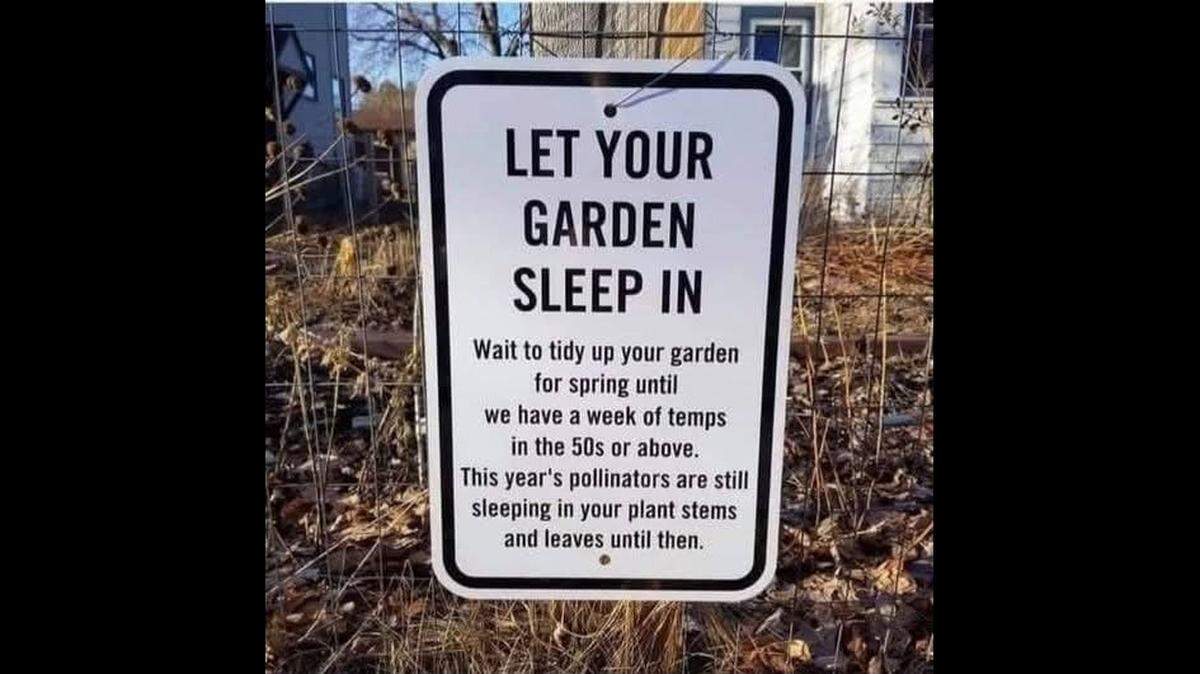
However, it is essential to approach cleanup now with some forethought and care. In wanting the best for our gardens, we also need to provide the best care for our environment so those gardens can continue to thrive in the long term. Being too aggressive with a garden cleanup in late winter can unintentionally harm beneficial insects like native ground-nesting bees.
.JPG "handful-of-weeds-with-glove (1).JPG")
Native bees are pivotal pollinators that often nest in leaf litter, debris and undisturbed soil. To strike a balance in protecting these critters while also proactively protecting your garden, focus on clearing areas where pests have a history of populating. Heavily infested zones from last year should be a first go-to, followed by spaces near perennial crops. At the same time, consider leaving some undisturbed patches of soil, especially if they don’t need to be planted yet.
Additionally, remember that ornamental beds over vegetable gardens are best cleaned up in late spring. As the growing season emerges and temperatures gradually warm, you can steadily transition to an immaculate garden, helping ensure that native bees and other beneficial insects have a chance to emerge and relocate first.
Cleanup aside, don’t forget to walk your beds. Note the spots with poor drainage and heavy compaction, which often foster soil-borne diseases and pests. Consider using tools like sticky traps to help monitor pest activity as temperatures rise. Rotate where you plant particular vegetables, breaking persistent cycles of pests and disease. And consider selecting pest-and-disease-resistant vegetable varieties if facing one persistent problem.
Don’t forget the power of a well-maintained garden, as a healthy plant equals a resilient one. Mulching to suppress weeds, regulating soil temperature and sustaining a healthy soil biome all ultimately contribute to a plant’s ability to fight invaders. And if the plants need extra help, row covers or insect netting can protect them from early pests like cabbage worms or flea beetles. Applying dormant oil sprays can smother overwintering pest eggs for fruit trees or shrubs.
These steps will set a strong foundation for a thriving garden.
Anthony Reardon is a horticulture agent with Kansas State University Research and Extension. Need help? Contact the Johnson County Extension gardening hotline at 913-715-7050 or email garden.help@jocogov.org.
Interested in making your yard more earth-friendly? Come join master gardeners at the free 13th annual Kansas Healthy Yards Expo taking place from 9 a.m. to 2 p.m. March 29 at the Shawnee Civic Centre, 13817 Johnson Drive, Shawnee. Go early for a free tree sapling, buy native plants, and visit with Johnson County K-State Research and Extension master gardeners, Extension master naturalists, nonprofit organizations and local plant societies. For more information on the kid-friendly event, visit johnson.k-state.edu or call 913-715-7000.
This story was originally published February 21, 2025 at 5:00 AM.