
New to veggie gardening? Light, water and other variables will help you pick a spot
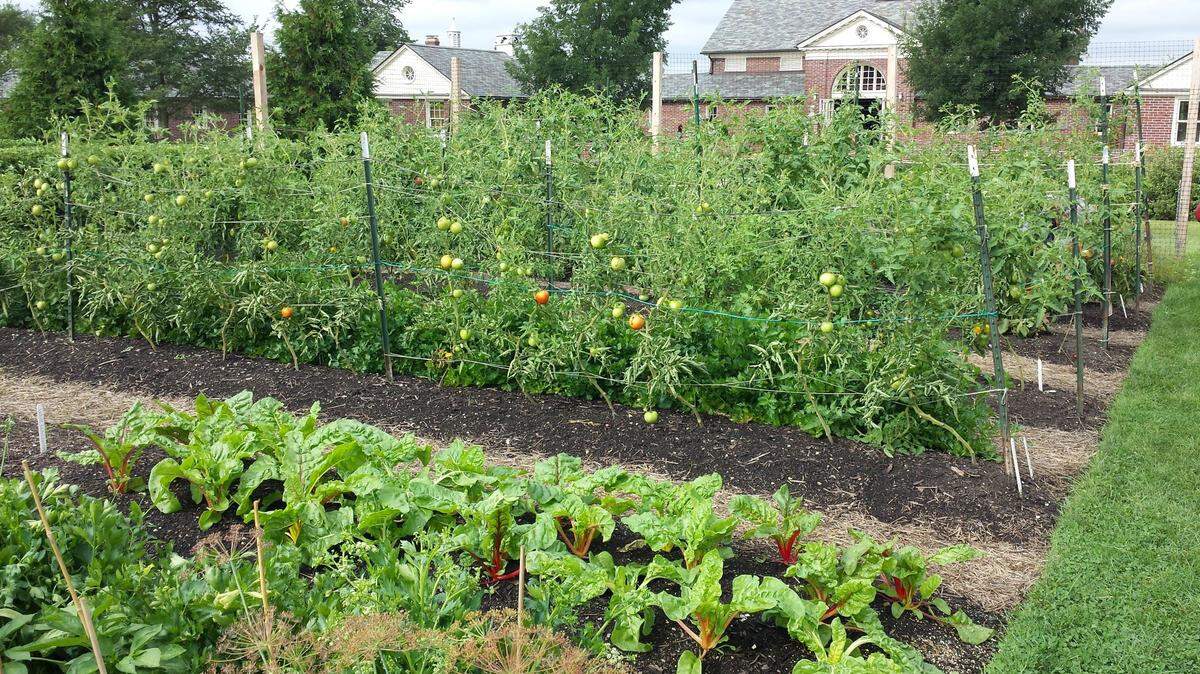
For many people, whether first-time homeowners or those just venturing into the world of plant care, 2024 will be the first year to try growing a vegetable garden. They’ve seen their neighbors do it, they’ve witnessed the numerous benefits that accompany fresh food produced right next to their doorstep and they want in on the fun. This may leave many asking, “Where do I start?”
The first step to establishing a vegetable garden is choosing a location. While this seems simple, consider a few key components. The primary factors that impact plant growth success are light availability, correct water supplementation, soil nutrient availability and environmental exposure.
All vegetables, even cool-season varieties, prefer full sunlight for proper photosynthesis and crop development. This means the vegetable garden must be in a spot that will receive at least six hours of direct sunlight daily. First, account for tree cover and structural shade in your potential garden space. Morning-into-afternoon light, followed by minor shade, will benefit the plants more than morning shade followed by harsh afternoon light and heat.
Ideally, the garden location will be on a level ground area. This will help ensure even moisture throughout the garden as water will not drain toward some plants and away from others.
Determining the composition of a designated garden area’s soil will also give you a good indication as to how often it should be watered. If the ground is sandy or full of pebbles and rocks, water will filter through this soil profile much more quickly than a clay composition, which has densely compacted particles. Use this information to incorporate appropriate organic matter.
Work organic matter into the soil as a sponge for moisture in porous, sandy situations and a sieve for moisture in dense clay situations. Ultimately, this evens out the playing field to the moist-but-not-overly-saturated soil conditions that should be the goal to attain the best vegetable growth. The humus accompanying organic matter will also assist the soil by making its essential nutrients available to the plants.
Nitrogen, phosphorous and potassium are all macro-nutrients required for all plant growth, and their availability in the soil is limited by both their physical presence in the location and the soil pH that may be tying them up, making them unavailable to plants. The best way to know your pH and amend these components is to conduct a soil test through your local extension office.
Aside from soil, water and light, exposure is another primary factor that can impact success in a vegetable garden. Aim to have your garden somewhere free of intense wind or humidity. Appropriately placed and protected, your veggies will thank you.
Anthony Reardon is a horticulture agent with Kansas State University Research and Extension. Need help? Contact the Johnson County Extension gardening hotline at 913-715-7050 or email garden.help@jocogov.org.