
With careful watering, perfect temps and a lot of sun, herbs can thrive in containers
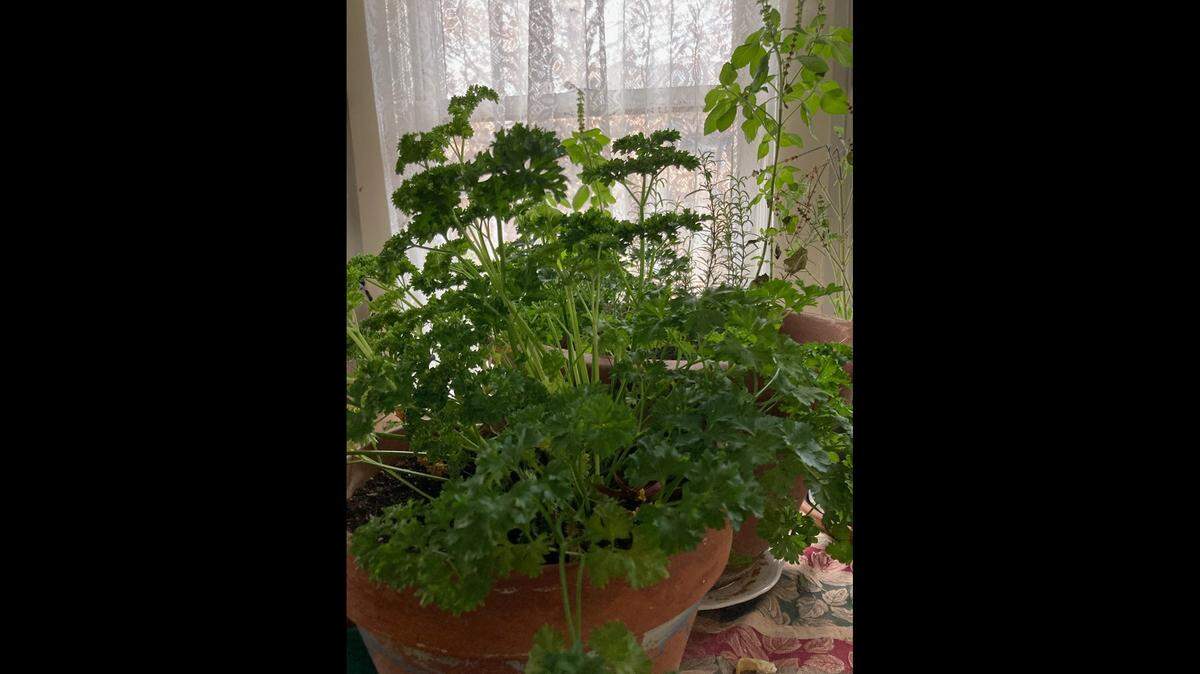
The appeal of growing herbs indoors is often strong for plant-happy apartment dwellers and culinary enthusiasts. Garden space is limited or non-existent in an urban setting, so the desire for windowsill access to these fresh, tasty, nutritious recipe modifiers and aroma generators is high. Those who grow herbs should consider a few tips and tricks to help ensure success.
Two important aspects to consider when growing herbs are that they are each unique, and we don’t consume the same part of each plant. As such, the conditions required to grow every herb type will vary by type of plant and the plant part (such as root, seed or leaf) being encouraged. Light, nutrients, soil media, temperature range, moisture and even humidity needs will differ from one plant to another, and no two plants should necessarily be treated exactly alike.
Nevertheless, as with most edible plants, herbs prefer full sunlight. A windowsill that receives abundant sunshine and six hours of direct light is preferable. Remember that the entire plant needs sun exposure. Turn the plants frequently so that all leaves can have exposure to the sun. This will prevent thinning and spindly plants.
Room temperatures of up to 70 degrees in the day and down to 55 degrees at night will be hospitable to a wide variety of herbs. Most herbs also prefer a relatively humid yet ventilated environment, meaning bundling them together in an area where the air circulates will be beneficial.
Learning whether the herbs being worked with are annuals, perennials or biennials is one of the more helpful steps in the initial growing of the plants. If they’re annuals, the plants will have a much higher rate of success if grown from seed. Cultivating a plant true to its parent will be better for perennials through vegetative propagation methods. And for biennials, you may find the care process tedious and the second-year growth spindly enough to treat them as annuals, replanting every year.
For larger, leafier herbs like basil, cilantro, and parsley, it may be easier to harvest the whole plant at 3-6 inches of height, reseeding them afterward instead of allowing the plants to grow to full size.
As with all potted plants, adequate drainage (with drainage holes) will be necessary to maintain proper soil moisture. Since the herbs are in a limited growing space and are not being grown to be extra-large plants, fertilize sparingly with a low-range water-soluble fertilizer every two weeks. Herbs fertilized too frequently will likely lose their appealing aroma or taste.
Also, not all herbs are suited for containerized growing. Some will grow too large to be outside of the ground, and some will have too fleshy of a root system to be potted. Regardless, you can enjoy many varieties of herbs.
Anthony Reardon is a horticulture agent with Kansas State University Research and Extension. Need help? Contact the Johnson County Extension gardening hotline at 913-715-7050 or email garden.help@jocogov.org.