
What to do with lawn full of leaves? Before raking and bagging, consider these methods
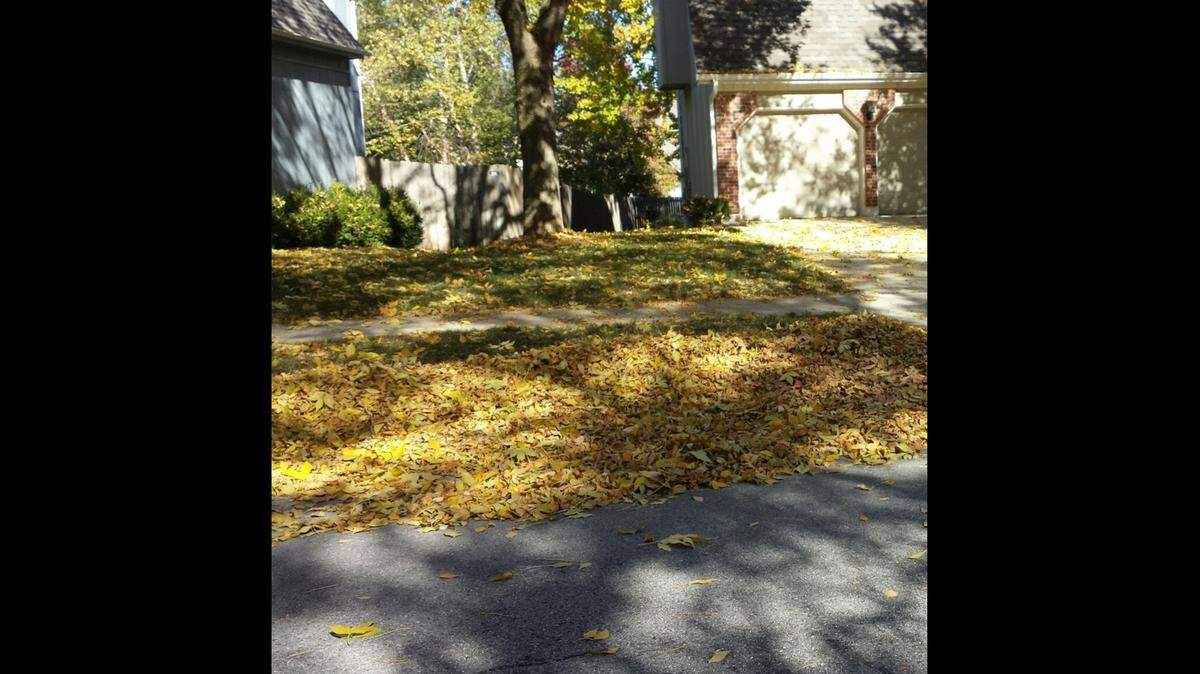
The annual ritual of trees shedding leaves has been underway for several weeks. The changing colors and dropping leaves are signs that fall is upon us, and winter is not far behind. While most enjoy the changing seasons, fallen leaves create another task on the chore list. The recent autumnal breezes have shaken down many leaves, so here are tips for handling them.
Mulch mow
Leaves can be chopped with the mower, turned into mulch-like material, and remain to decompose naturally into the soil. This benefits the lawn and soil nutrients, saves you time, and avoids time-consuming raking and bagging.
Mulch mowing is a series of frequent mows that filter shredded leaves back into the grass. Continue mulch mowing until reaching the point that leaves are covering the turf. Too many leaves can kill grass. Mulch mowing can incorporate about six inches of leaves back into the soil, after which the leaves must be removed to prevent shading and smothering the lawn over winter.
The simplest way to collect leaf mulch is with the mower bagging attachment. The mower chops the leaves into a handy carrying bag to be deposited around trees, shrubs and gardens to help conserve moisture and control weed growth. Come spring, the mulching task will be complete, or maybe just a touch-up with a shallow layer of your favorite mulch for that fresh, finished look.
Compost
Leaves can also be composted with minimal effort. Fallen leaves added to the compost pile will break down by spring or next fall and can be used to enrich garden soil. A word of caution about composting leaves: They are dry with few existing nutrients to feed the pile. When you add leaves to the pile, wet the dry leaves to accelerate the composting process. Throw in a little garden fertilizer, and the time it takes to break down into rich soil amendments will be considerably sped up.
Be kind to our water
Avoid the urge to clear your yard or get out of gathering up the leaves by blowing or sweeping them out into the street. Letting nature take care of the leaves may seem like a good idea, but this can cause lasting, substantial problems downstream.
Leaves clog storm drain intakes, and cause street flooding and ice-over during winter. An excess of leaves that move through the drains also wreak havoc in streams, overloading the water with organic matter. It upsets the stream’s ecosystem as it breaks down, leading to spring algae blooms and fish kills. It then takes more resources to purify our drinking water during the treatment process.
Leave the leaves
As an alternative, instead of chopping, shredding, composting or bagging, gently blow or rake the leaves and pile the debris loosely in your garden beds and around your trees and shrubs.
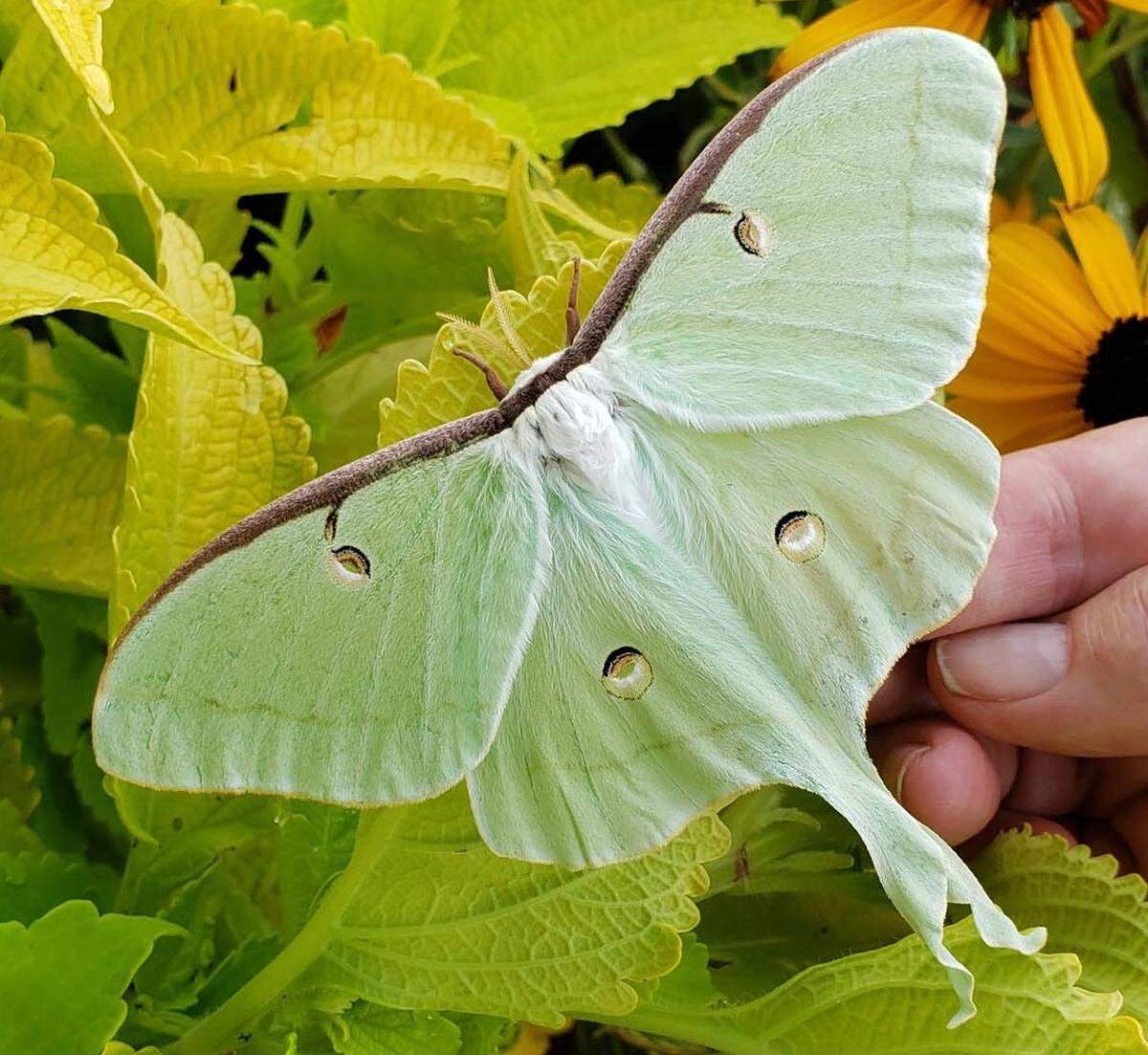
This helps your trees, shrubs and soil health. It also provides protective resting locations for the next generation of memorable insects like American Bumble Bees, fireflies, butterflies like Swallowtails, Fritillary and Red-Banded Hairstreaks, as well as Luna moths, woolly bear caterpillars and other pollinators. Leaves that have not been shredded provide the most benefit here. Thick leaf layers left on the grass will kill it, but on soil, they can suppress weeds, retain moisture, and boost nutrients.
With some extra thought and planning, leaves can be returned to our yards instead of the landfill to build better soil and help protect critical habitats for many beneficial creatures.
Dennis Patton is a horticulture agent with Kansas State University Research and Extension. Need help? Contact the Johnson County Extension gardening hotline at 913-715-7050 or email garden.help@jocogov.org.