
It’s nutritious and easy to grow. Get started soon to reap benefits of this superfood
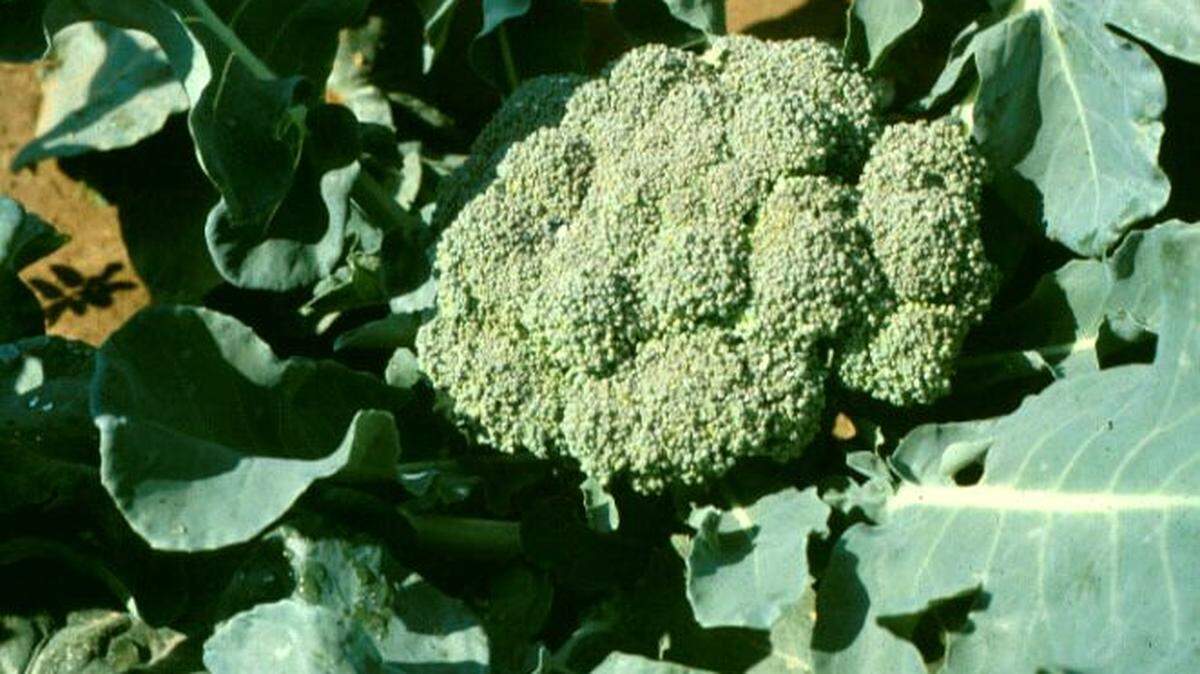
Broccoli has long been known as a superfood for its health benefits. With only 27 calories per serving, broccoli contains antioxidants, fiber, vitamins C and K, iron and potassium. As a bonus, it’s tasty. Freshly harvested broccoli from the garden has the optimal taste.
Broccoli is easy to grow in a traditional garden or a container. It’s best to learn a few keys to its success.
Planting at the correct time is a must, as broccoli prefers to grow in cool spring weather. The best planting time is from mid to late March. Early April is acceptable but the longer the cool weather, the more productive the harvest.
Since the plant has a short season to grow, get a head start with transplants. Transplants are small plants ready to plant and get growing. Transplants will be widely available at garden centers at the appropriate planting time. Planting too late in the season is one of the main reasons for crop failure.
Broccoli is not fussy about growing and thrives in most soil types. It needs a half day of sunlight and consistent moisture. Transplants should be set in the garden 12 to 18 inches apart.
Container-grown broccoli is easy. One plant will need about two to three gallons of soil mass. Larger pots can accommodate up to three plants. When planting in a container, the spacing between plants can be reduced to 8 to 10 inches apart. Be sure the container has adequate drainage and a high-quality potting mix. Container-grown broccoli will produce slightly smaller heads.
The other key to success with broccoli is proper fertilization. Underfed plants may fail. The small transplants must quickly grow into large plants. Healthy plants can be a couple of feet across, and the leaves can be the size of a football. Nitrogen is important and the first number on the bag of fertilizer. But it takes many nutrients to push growth. It would be hard to over-fertilize this plant.
Garden-planted broccoli should be fertilized at planting time with a couple of tablespoons per plant worked into the soil in a one to two-foot circle of the plant. This application should be repeated every couple of weeks at half rate. Water into the soil and be careful when cultivating around the plants to avoid damaging the expanding roots.
Container-grown plants may need more fertilizer as nutrients quickly move through the pot when watering. Water-soluble fertilizers can be used but require fertilization weekly or at least every two weeks.
Harvest season starts in mid-May with the large edible head. Broccoli will produce side shoots or smaller secondary heads well into June until the heat arrives. Harvest when the heads are tight before they start to loosen up and the yellow flowers show. You may eat immature broccoli flowers.
The best varieties for the Kansas City area require shorter days to mature. Recommended varieties include Diplomat, Green Comet, Gypsy, Imperial, Marathon, Packman and Premium Crop.
Try broccoli, whether you are a seasoned vegetable gardener or new to the hobby. By planting early and feeding heavily, you will soon have this fresh, delicious superfood as part of a nutritious family meal.
Dennis Patton is a horticulture agent with Kansas State University Research and Extension. Have a question for him or other university extension experts? Email them to garden.help@jocogov.org.