
April showers might bring May flowers, but a soggy June? Be observant if July is dry
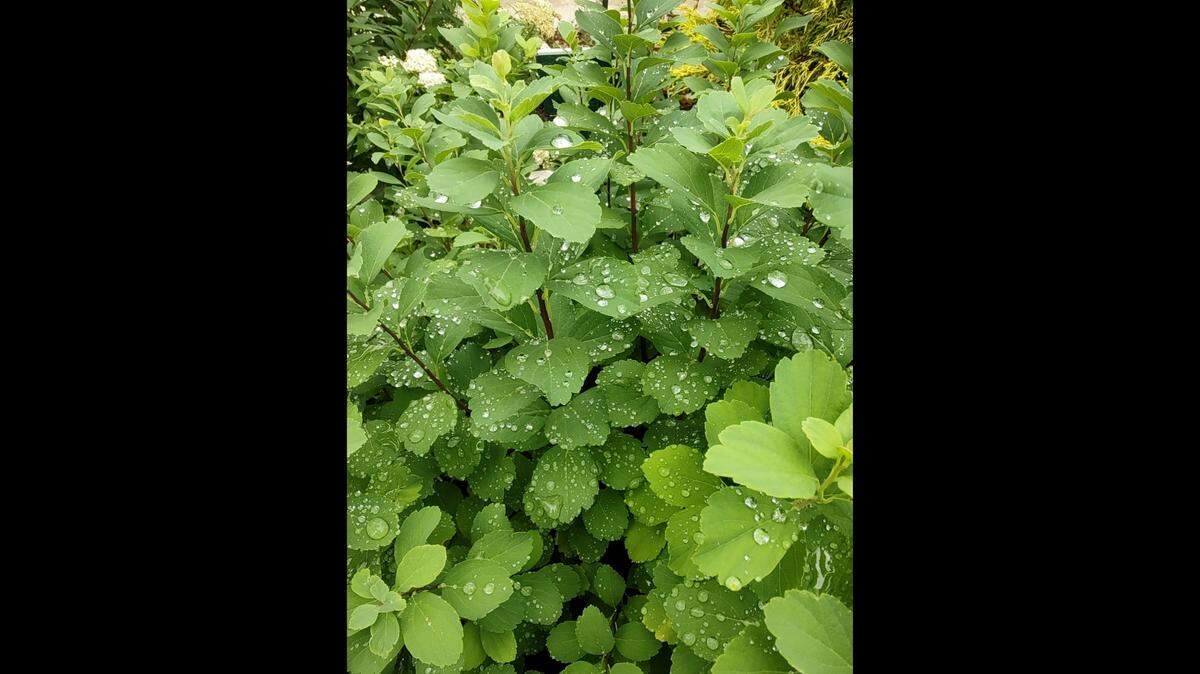
We have all heard the saying “April showers bring May flowers.” The rhyme doesn’t go on to advise us what May and June rains might bring. While precipitation in May and June does bring additional flowers, it can also be a mixed bag for the landscape.
Don’t get me wrong. As a gardener, I appreciate the rain. Rain is far more beneficial to the garden than treated water from the tap or irrigation lines. Rain doesn’t include unnecessary chlorine, minerals and salts. When it falls over a large area it cools the soil and brings a widespread renewal not experienced when you water a small area. It is also more economical than city water. On average, the Kansas City area averages about 40 inches of rain a year.
The problem with the May and June rains in recent years has been the frequency, duration and distribution. It is feast or famine. Above average rainfall arrives in a short period of time, followed by extended periods of below average rainfall. This yin and yang is hard on plants.
While rainfalls in May and June do keep the lawns green and flowers blossoming, they come at a price. Heavy periods of rainfall combined with our poorly draining clay soils can have negative consequences on root systems. These systems support the visible above-ground growth of flowers, lawns, trees and shrubs.
Roots support the plant structurally and operate as avenues for moisture and nutrients. If the roots are not healthy the above-ground growth suffers. The fine root hairs are designed to pick up water and nutrients. When those roots die, this is often undetectable and can limit the plants’ ability to function under stressful conditions. Saturated soils force the plant to develop shallow roots closer to the surface. Under hot and dry temperatures shallower roots make the plant prone to rapid drying and additional stress.
In addition, saturated soils lead to a decreased level of oxygen in the soil. We don’t think about roots requiring oxygen to grow and be healthy. Excess water forces oxygen out of the soil profile. When this happens, our plants drown. They suffocate from lack of oxygen.
May and June rains are usually followed by a hotter and drier phase in July and August. Recent weather history has above average spring rainfall followed by an extended period of below average rainfall. It’s the yin and yang syndrome. The result is increased stress on the plant. The stress might display as wilting on a hot summer day, even with good soil moisture. Or worse, the plant starts to die of thirst as we don’t immediately think about watering. In our minds we just had an abundance of natural rainfall.
What can we do? Not much since we cannot control rainfall. The total annual rainfall amount does not matter significantly either as it is the allocation and timing that is more important. Uneven distribution is a problem that can result in a mild drought with a significant impact.
What we can do is recognize that while rainfall is beneficial, excess can take its toll. When the rain stops, we need to be observant. Our plants may need our additional attention and assistance to successfully ride the rainfall roller coaster.
April, May and June showers are a blessing, but extremes do have consequences.
Dennis Patton is a horticulture agent with Kansas State University Research and Extension. Have a question for him or other university extension experts? Email them to garden.help@jocogov.org.