
Out on a limb after Johnson County storms? Take these steps to protect your trees
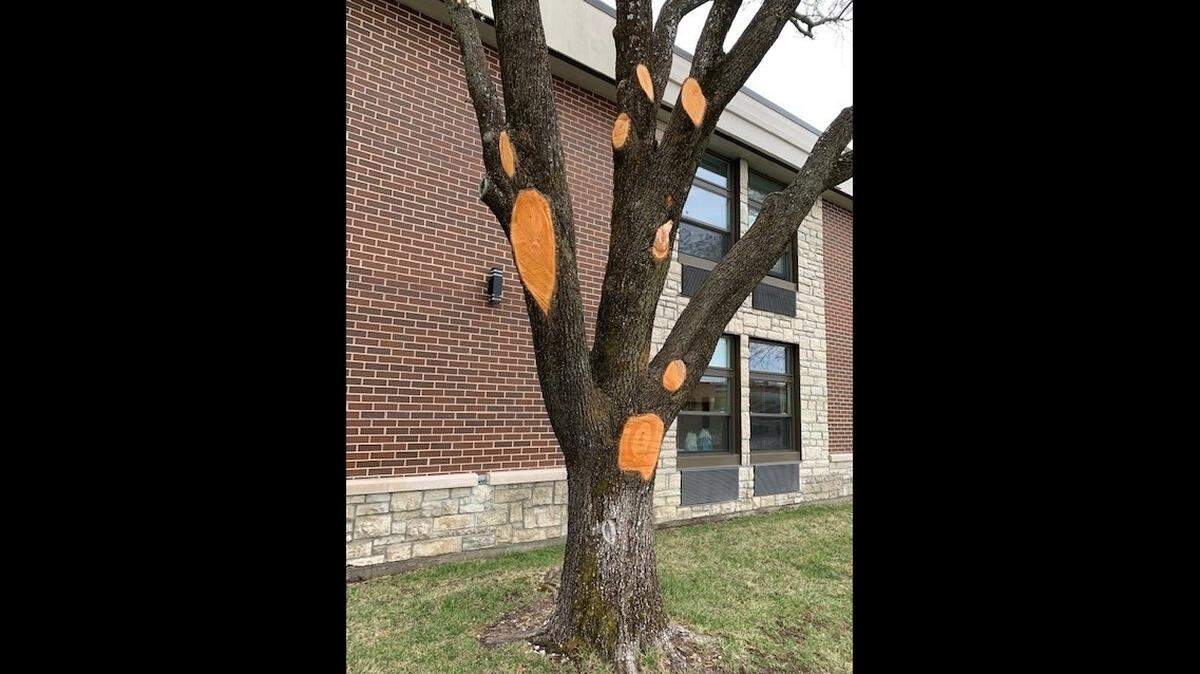
Recent storms left many neighborhoods with tree damage. A storm serves as a reminder of just how quickly the situation with trees can change. Before ever tackling any pruning job, whether the result of a storm or routine maintenance, follow these steps to protect your property and yourself.
Assess the situation
The first step is to inspect the area to ensure there are no power lines or other hazards in proximity. If so, call the utility company. Leave limbs that are near, touching or at risk of contact with overhead power or utility lines to the professionals.
After determining the area is safe, clear all downed limbs from the work area to avoid tripping and injury risks. The second step is to determine if the tree is salvageable or should be removed. Except for a very few cases, many trees will recover after the storm. Trees that have broken, cracked or splintered damage to the main trunk or the structure of the tree may not recover. Not all trees should be saved. Weak, unhealthy or old trees at the end of their lifespan can pose a threat to property. When in doubt, contact a professional arborist or your local Extension office for assistance.
How to make pruning cuts
Remove damaged side branches and support limbs. Rarely does a cracked or split branch recover. It will rot or fail in the next storm.
Be brave and make the cut, remove the damaged limb completely. Prune the limb back to the next lower crotch, branch angle or main trunk. Do not cut mid-limb or leave a stubby branch jutting from the trunk. A clean, smooth cut that removes all jagged or torn wood helps the tree recover.
Once this branch is removed there will be a gap, or the tree can look misshapen. The good news is given a few years, the tree usually fills in with no long-term damage.
The proper way to make a cut on a larger limb involves a three-step process. These steps reduce the weight of the damaged limb and allow a clean cut without ripping the healthy bark below. It helps prevent the heavy limb from kicking up as it starts to fall away, inflicting an additional injury.
The first cut is the all-important undercut. About a foot from where the final cut is to be made, saw into the limb from the underside, only cutting partly into the limb, one third of the wasy. This is the bark relief cut. The second cut will be made on the top side of the branch, about an inch outward from the first cut. The weight of the limb will snap off at the point of the first undercut. Lastly, make your final cut near the crotch, following the ridge of bark called the branch collar. Avoid cutting too closely into the collar or too far away from the trunk and leaving a stub.
Remember to be safe — wear personal protective equipment that includes safety glasses, hearing protection, hard hat and sturdy shoes. Better yet, don’t be afraid to call qualified experts for help. If you need to get on a ladder or the work is overhead with a risk of a branch falling, call a professional. Their bill may seem high, but it will be the best money spent when you prevent life-threatening injuries.
Dennis Patton is a horticulture agent with Kansas State University Research and Extension. Have a question for him or other university extension experts? Email them to garden.help@jocogov.org.