
Weeds are a gardener’s villain. Chopping won’t do the trick, but this could help
When we survey vegetable gardeners, we find that weeds are their number one pest challenge. Weeds deprive developing vegetables of water and nutrients, as well as sunlight, and can quickly turn your bounty into a bust.
There is not a magic wand to wave to stop the growth of weeds. They are opportunistic, invasive and built to survive. That is why they are considered weeds. Organic options are a popular method of control but bring their own set of challenges. Here are a few methods for organic control in your garden.
Many weed seeds require sunlight to germinate. When you prevent any sunlight from ever reaching the seed, you can stop most weeds from growing. Till, turn or disturb the soil as little as possible. Each time the soil is disturbed, thousands of dormant seeds are activated and receive needed sunlight to germinate. This explains why you can work the soil, and a week later, the weeds have returned with a vengeance.
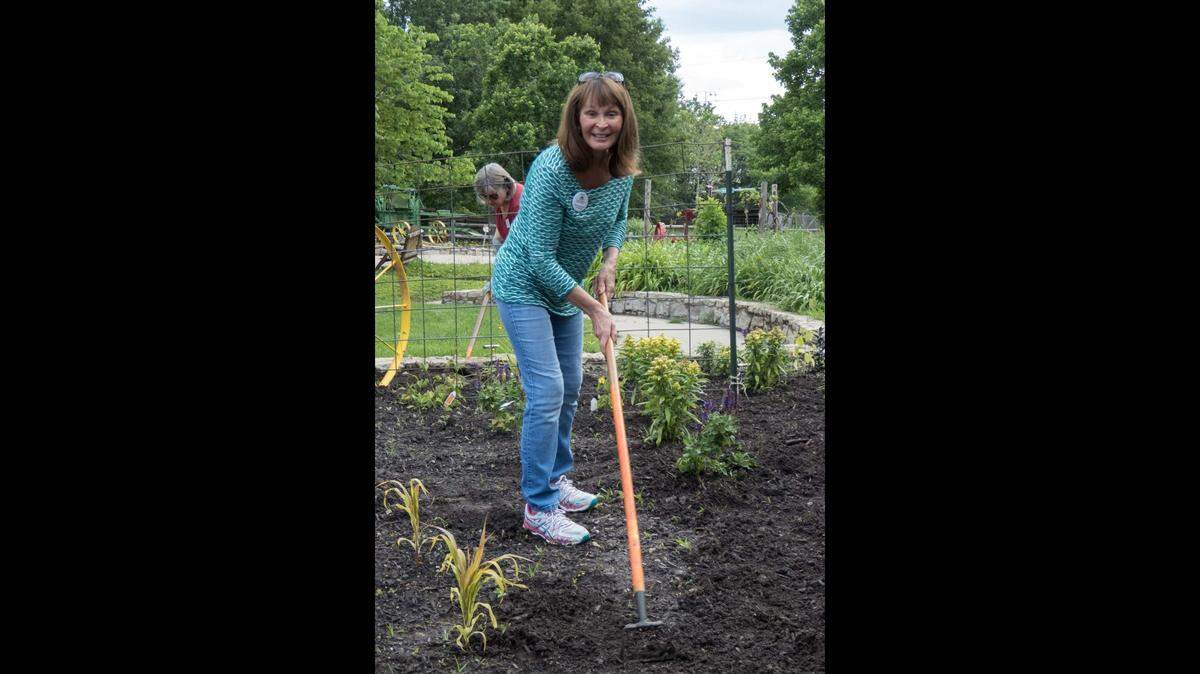
Physical removal of weeds is the best and most effective organic control. The good old-fashioned hoe can be your best tool. Avoid digging deeply to minimize stimulating further weed growth. Instead of chopping or working the soil when hoeing, just skim the sharp hoe blade lightly under the soil, slicing the weed plant from its roots. This skimming motion helps reduce additional germination and creates what is referred to as a dust mulch.
Hoes are seldom sharp when purchased. By sharpening the edge, the hoe will glide smoothly through the soil, severing the weed cleanly.
Mulching bare soil areas is an effective control method. The area should be weed free at the time of mulch application and works best for annual weeds. Perennial weeds will grow right through the mulch. When you block the sunlight needed for germination with the mulch barrier, you curtail weed growth.
Organic mulches for vegetables should be materials that will break down over the summer and can include shredded leaves, straw, and grass clippings. You can also use newspaper or cardboard. Control is best achieved when a 2- to 3-inch layer is applied around the plants and in open areas of the beds.
Where preventative methods have failed or were delayed, organic weed control is more difficult. A few organic herbicides on the market have less than stellar results. Most organic products work best on tender, immature annual weeds, and struggle to control established and perennial weeds.
Organic herbicides include 20% vinegar and mixtures of fatty acids, and work by burning the foliage of tender plants. You should carefully and selectively apply these mixtures around plants and in open areas, while taking care to avoid your vegetables and other wanted vegetation. These products may target the weed and are also capable of causing damage to the foliage of nearby desirable plants.
When used with extreme caution, a flame or a torch can also be an effective organic control. It works best on weeds growing in paths or between the rows. The torch burns off the foliage, which kills the plant. Do not use around organic mulches as they are highly flammable.
Controlling weeds is not an easy task, as, by their nature, they are adaptable and will easily outcompete our tasty vegetables. Organic options are available. That will require timely applications and an understanding of their effectiveness and limits. Remember, often the most successful organic method is to prohibit the weeds from getting a foothold in the first place. Early prevention is the key to success.
Dennis Patton is a horticulture agent with Kansas State University Research and Extension. Have a question for him or other university extension experts? Email them to garden.help@jocogov.org.