
Craving a BLT with your own juicy, homegrown tomato? Start by avoiding how-to myths
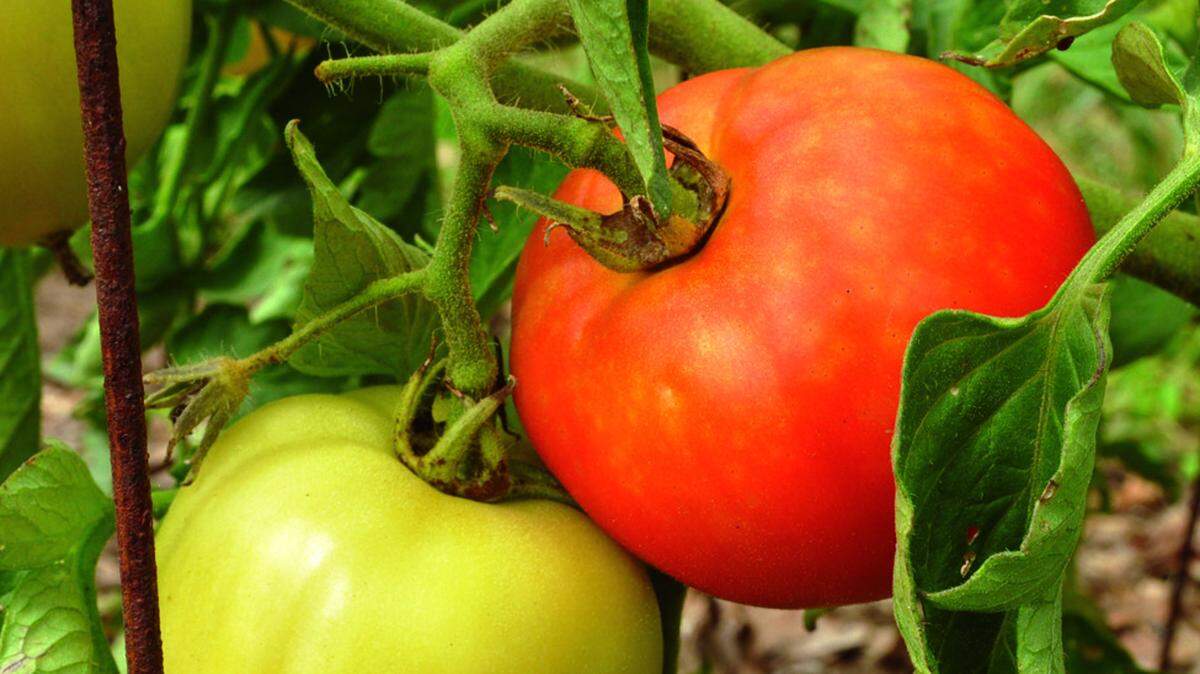
Nothing can compare to the taste of a fresh, juicy tomato. Native to Central and South America, they were domesticated in Mexico and Central America. Although commonplace now, American colonists in the 1700s believed them to be poisonous. Thomas Jefferson is credited for eventually discovering and promoting the usefulness of tomatoes. Since then, they have become a delicious and versatile staple of our daily diet.
Tips and tricks for growing tomatoes are passed down for generations. A quick search on the internet offers multiple suggestions. Do any of these really help or are they just long-held beliefs? Like many myths it can depend. Let’s look at a few of those tomato myths.
Myth or fact? Planting tomatoes deeper will develop stronger plants. This myth is partially true. Tomatoes are one of the few plants that will develop roots along the stem. It is true that planting deeply, or on the tomato plant’s side, will help it develop additional roots to support the plant.
The half-truth is we need to avoid planting overgrown, tall leggy plants. These plants can be stressed in the production process, which will slow development. It is more beneficial to select a short, stocky, nonflowering plant and plant it at the same depth it was growing in the container, or slightly deeper. A leggy plant can be buried on its side or set deeper, with about 4 to 6 inches of the top growth protruding from the soil.
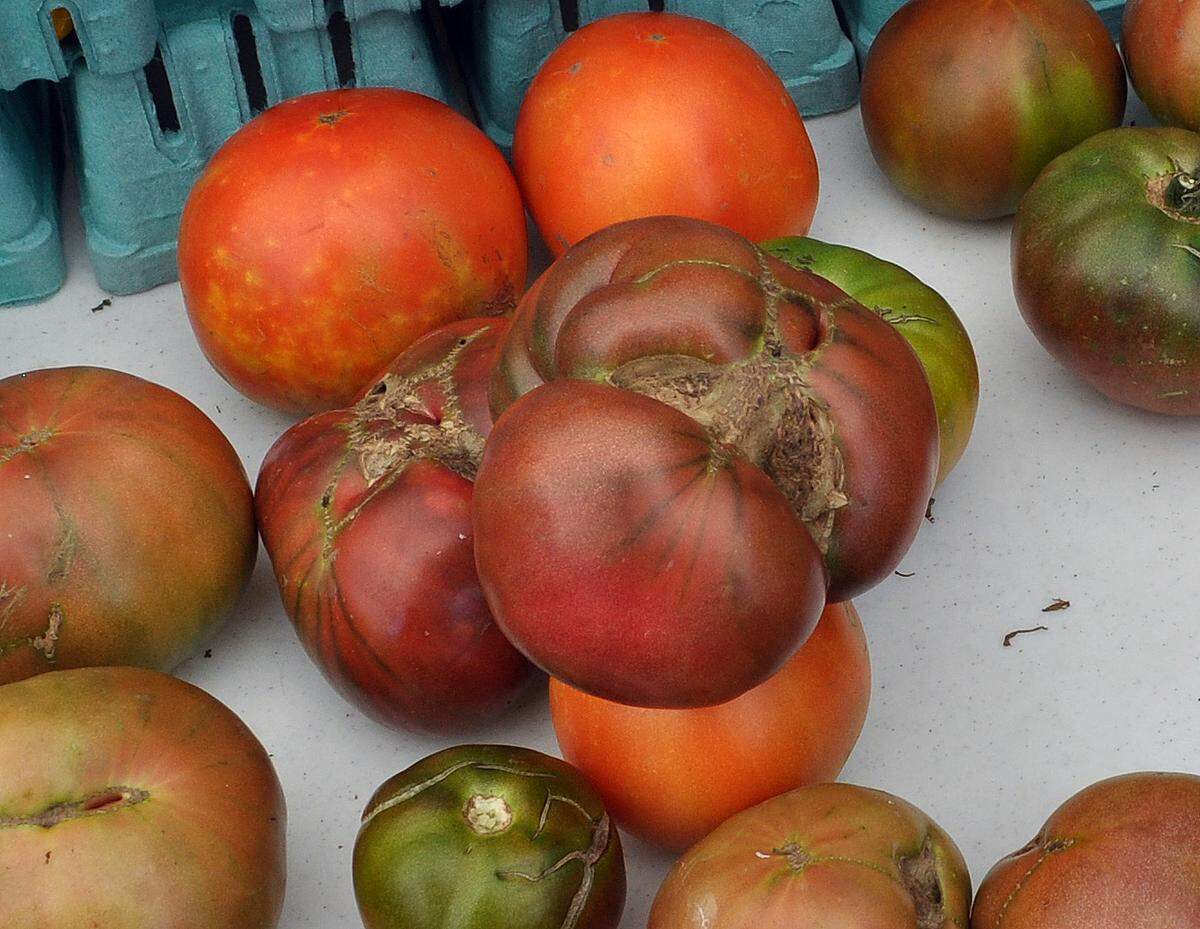
The exception to planting deeper is grafted tomatoes. Planting below the graft will result in the root stock overtaking the desired variety. You should always plant the graft above the soil level.
Myth: Adding a handful of Epsom salts to the planting hole will decrease blossom-end rot. This is false. Adding Epsom salts will have no effect on blossom-end rot and could, in fact, escalate the problem. Blossom-end rot is caused by cool, uneven soil moisture in the spring. Cool temperatures and soils prevent the uptake of calcium, which results in the sunken rotted bottom of the tomato. Epsom salts is magnesium sulfate and contains no calcium.
To further amplify the problem, increased levels of magnesium in the soil can displace any calcium, which makes it more difficult for the roots to pick up and absorb the needed calcium.
Myth: Adding crushed eggshells or antacids to the soil will cure blossom-end rot. Again, not true. At least eggshells contain calcium which is associated with rot. The problem is by the time the eggshells break down, the release of calcium to the plant may take years. There is no immediate effect. As for the antacids, there is not enough calcium in the tablet to make any difference. The truth is our soils naturally have ample levels of calcium. Adding calcium supplement sources won’t fix the problem as the poor uptake is related to environmental conditions.
Myth: For sweeter tasting tomatoes, add sugar to the planting hole. False. Sugar can’t be absorbed by tomato roots. The sweetness of the fruit is predetermined by the plant’s genetics. Also, our taste buds perceive sweetness differently, meaning the flavor of tomato we like is a personal preference.
These myths may sound like miracle solutions for better tomatoes. The bottom line is if it sounds too good to be true, it usually is. All I know is I am eagerly anticipating my first BLT of the summer, and the star will be the freshly picked juicy tomato.
Dennis Patton is a horticulture agent with Kansas State University Research and Extension. Have a question for him or other university extension experts? Email them to garden.help@jocogov.org.
This story was originally published May 6, 2022 at 5:00 AM.