
Proper pruning of fruit trees necessary for a bountiful harvest. Here’s how to do it
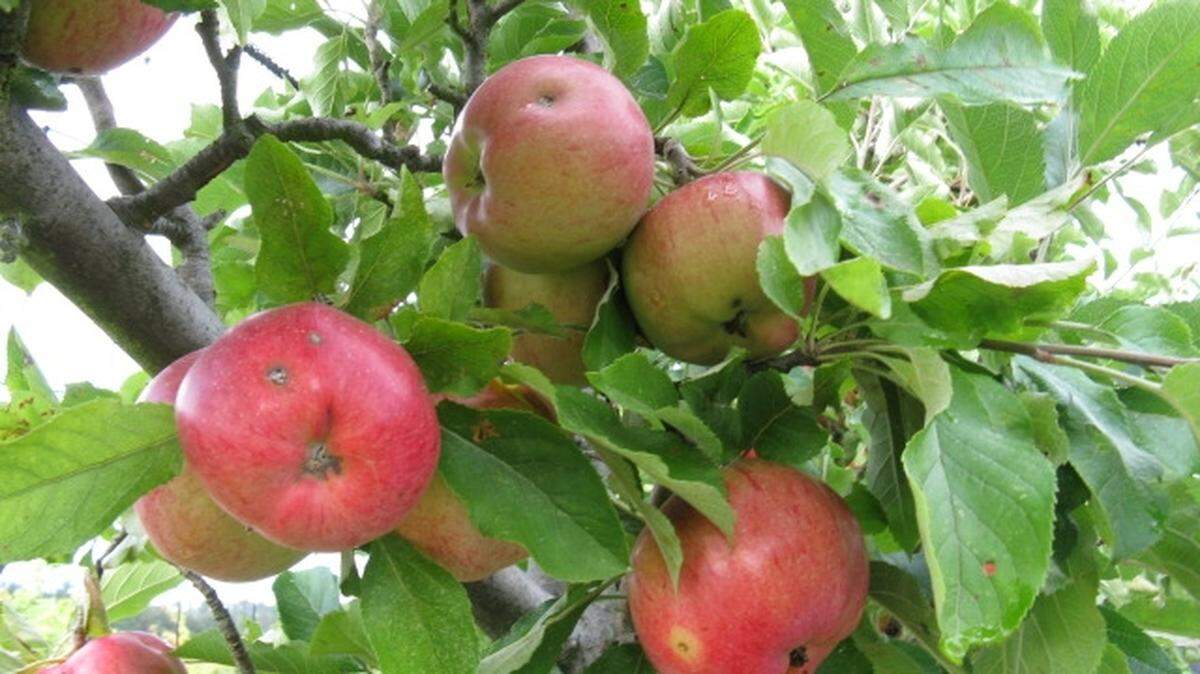
A great satisfaction comes from picking fresh fruit from your own apple, peach or cherry tree. However, successfully growing fruit trees in the Kansas City area can be a challenge. Proper pruning is one of the steps necessary for a bountiful harvest.
The ideal time to prune fruit trees is mid-February through March, as long as the wood isn’t frozen. Pruning can be challenging and intimidating, but with a few simple steps you will be happy with the results come summer.
Start by removing any dead, broken, damaged or diseased branches. Then identify any narrow branch angles in the tree. If the crotch looks like a “V,” this is weak conjunction and likely to snap under the weight of fruit, with strong winds, or heavy ice.
Suckers sap energy from branches that produce fruit. They may originate from the main trunk or major limbs. Suckers are branches that grow straight up and need to be removed.
Rubbing or crossing branches will damage each other. Eliminate crossing limbs as well. Finally, prune any low limbs, which could be a hazard when working around the tree.
Always make a proper pruning cut slightly to the outside of the bark ridge, which is the slightly raised area of bark. Be sure to make a clean cut. Do not leave a stub which can lead to decay and weaken the tree.
Cherries, pears and plums are not difficult trees to prune. A light pruning is all that is necessary. Simply remove any branches recommended above, and you are done.
Apple trees tend to require the most pruning as they can become overgrown. They need additional thinning out for good sunlight to penetrate the tree’s interior.
If not pruned properly, apple trees often develop a biennial fruiting pattern. A heavy set of fruit will appear one year, and the following year a light load. Pruning and thinning of the fruit later in the season can reduce this issue.
The goal is to have an apple about every 6 inches. Creating space between the fruit is not easy. If you have a good fruit set, it is recommended to remove the extra fruit to make room for larger apples and a more uniform yearly crop.
Peach trees need yearly pruning as they set the fruit on branches that are 1 year old. The results of not pruning will produce fruit at the tips of the branches, which weigh the limbs down, causing the limbs to split.
The goal of pruning is to remove no more than 30% of the total wood of the tree, not including deadwood. Under-pruning reduces sunlight penetration, produces smaller fruit, and increases pest problems. Over pruning will stress the tree resulting in sucker growth and weakened growth. After pruning, leave the cuts exposed to seal over with new growth. Pruning paints or sealers are not recommended.
Experience tells me growers are fearful of pruning and procrastinate on this essential task. The result is a tangled mess hard to rein in. Don’t be intimated. Grab the pruning saw and approach pruning one step at a time to see your trees thrive this growing season.
Dennis Patton is a horticulture agent with Kansas State University Research and Extension. Have a question for him or other university extension experts? Email them to garden.help@jocogov.org.
This story was originally published February 25, 2022 at 5:00 AM.