
Want to spice up the garden? Plant this in fall and sow kitchen staple in summer
When you think of garlic, what first comes to mind? Pungent smells or food infused with flavor? Garlic is one of the most used vegetables, seasoning a variety of dishes from around the world. Garlic can be found in whole bulbs, processed in a jar or granulated.
Gilroy, California, is considered the garlic capital of the United States. However, China produces more garlic worldwide. China is the source of most of our garlic supply. But rather than buying it from the store, consider adding garlic in the garden, as it is easy to grow.
As a member of the onion family, hardneck and softneck are the two main types of garlic. Softneck varieties have no central seedstalk and usually store longer after harvesting. Sometimes you will see the tops of the softneck braided. They are less winter-hardy and not as flavorful.
Hardneck varieties have a solid central seedstalk. The more uniform cloves are larger and easier to peel. The hardnecks have variations in color, unique flavor differences and are winter hardy. Hardneck tends to be more adaptable to Midwest climates, but both types can be grown.
Like most vegetables, garlic requires well-drained soils. Garden soil higher in organic matter provides the best growing conditions for the developing bulb.
Plant garlic from late September through mid-November for best yields. Fall planting in warm soils allows for root growth and the establishment of the plant. You will rarely see top growth in the fall. However, as spring weather arrives, growth will develop above ground. A light layer of mulch provides winter protection but is not required.
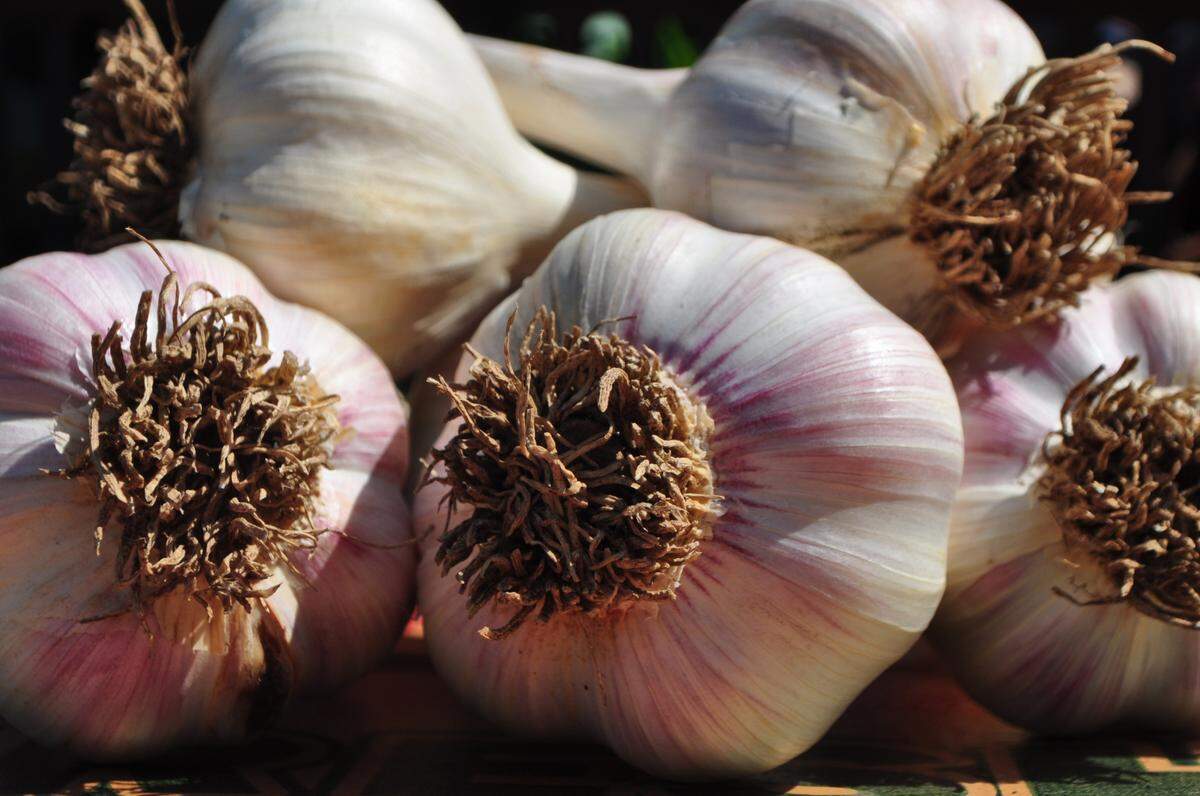
Plant garlic by using the cloves. One clove will develop one bulb the following summer. Break the garlic bulb apart, planting pointy end up about 2 inches deep and 6 inches apart. The larger cloves usually result in larger bulbs to harvest.
Once planted in the fall, the work is done until spring. The best garlic develops strong top growth to feed the developing bulbs. Fertilize at planting as well as once in the spring. Because the roots are shallow, be sure to water regularly. Dry conditions will slow growth and development.
Hardneck garlic develops flowers or a scape. Remove the scapes as they rob energy and flavor from the garlic, resulting in smaller bulbs. Use these flavorful scapes in recipes similar to green onions or scallions.
Garlic is a longer growing vegetable, reaching full size during the cooler parts of spring. As summer heat arrives in late June, the green foliage begins to yellow. This yellowing of the foliage signals the plant is mature and ready for digging.
Dig the garlic from the soil as opposed to pulling the plants. Lift from the ground with a garden fork, remove excess soil, and allow the garlic to thoroughly dry in a cool, dry location for several weeks. Once the neck is dry and papery, remove the tops and store the bulbs around 50 degrees or in the refrigerator vegetable drawer. The bulbs often last into next winter.
If you have never tried growing garlic before, now is the time to consider adding this easy-growing staple to the garden.
Dennis Patton is a horticulture agent with Kansas State University Research and Extension. Have a question for him or other university extension experts? Email them to garden.help@jocogov.org.