
More fescue to the rescue? Study lawn now before overseeding or fertilizing in fall
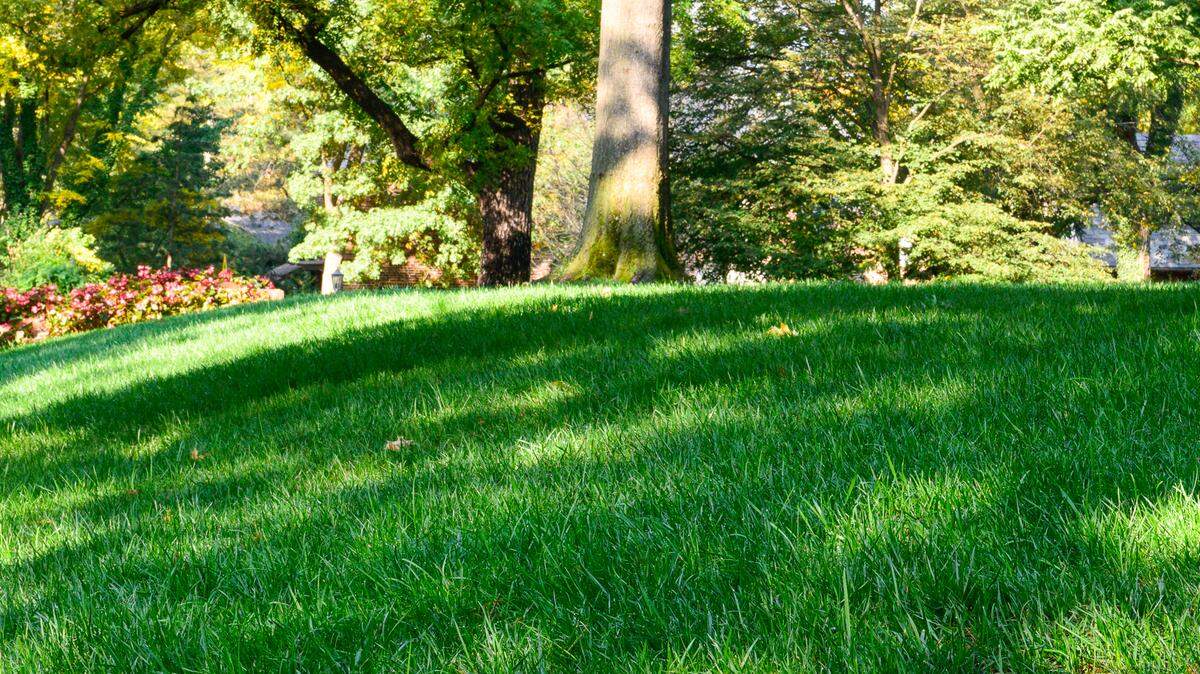
Many people believe overseeding the lawn is an annual practice. The goal of a quality lawn is not to reseed each year, but to maintain a healthy lawn that can recover from summer stress.
Overseeding is only needed when the lawn dies or thins out. A nice stand will not benefit from more seed.
The most common lawns in the Kansas City area are cool-season grasses, like tall fescue, bluegrass or a combination of the two. Cool-season lawns become stressed under the summer heat and drought.
Without supplemental watering, these grasses go dormant during the heat of summer. This gives the lawn the appearance of browning out, only to green back up when fall rains and cooler temperatures arrive.
How do you know if you need to overseed your lawn? Honestly, it is a judgment call. However, several clues can help you make the right decision, leaving you with the option of seeding or relying on cultural practices and favorable fall conditions for repair.
Tall fescue is considered a clump grass, meaning it does not spread. Instead, the plant slowly increases in size. Open areas that develop because of stress and disease will probably need overseeding.
If you see bare areas the size of a teacup or bigger, this is your clue. Thinning results in a clumpy, uneven appearance. The only way to thicken it up is with more seed.
Tall fescue also seems to be more disease prone. Brown patch disease thins out the stand. Compound this thinning with its growth habit and overseeding might be a good decision.
Bluegrass, while less adaptable to our climate, has a significant advantage over tall fescue. Bluegrass has rhizomes or underground runners. From late fall into early spring, bluegrass will send out the rhizomes, establishing new plants.
A dead spot can fill in, requiring no seeding. Small patches, the size of a teacup or even a salad plate, are best left alone, giving the grass time to repair. Speed up recovery with nitrogen fertilizer applications in September and November.
Because of the ability for bluegrass to repair itself, we see more seed mixes of bluegrass tall fescue lawn. As tall fescue thins, the thought is that bluegrass fills in the bare spots, reducing the need to seed. While this sounds great in theory, it may not work until bluegrass becomes the dominant grass.
Before September arrives, survey the lawn. Do you have thin grass, which will thicken up with proper care? Do you have large dead patches?
The goal is not to put down more seed. Your options might be fall fertilization and time for the lawn to recover. Seed areas as needed in September as the earlier, the better for success.
Dennis Patton is a horticulture agent with Kansas State University Research and Extension. Have a question for him or other university extension experts? Email them to garden.help@jocogov.org.