
What is ‘clean produce’? Here’s why natural or organic doesn’t always mean safer
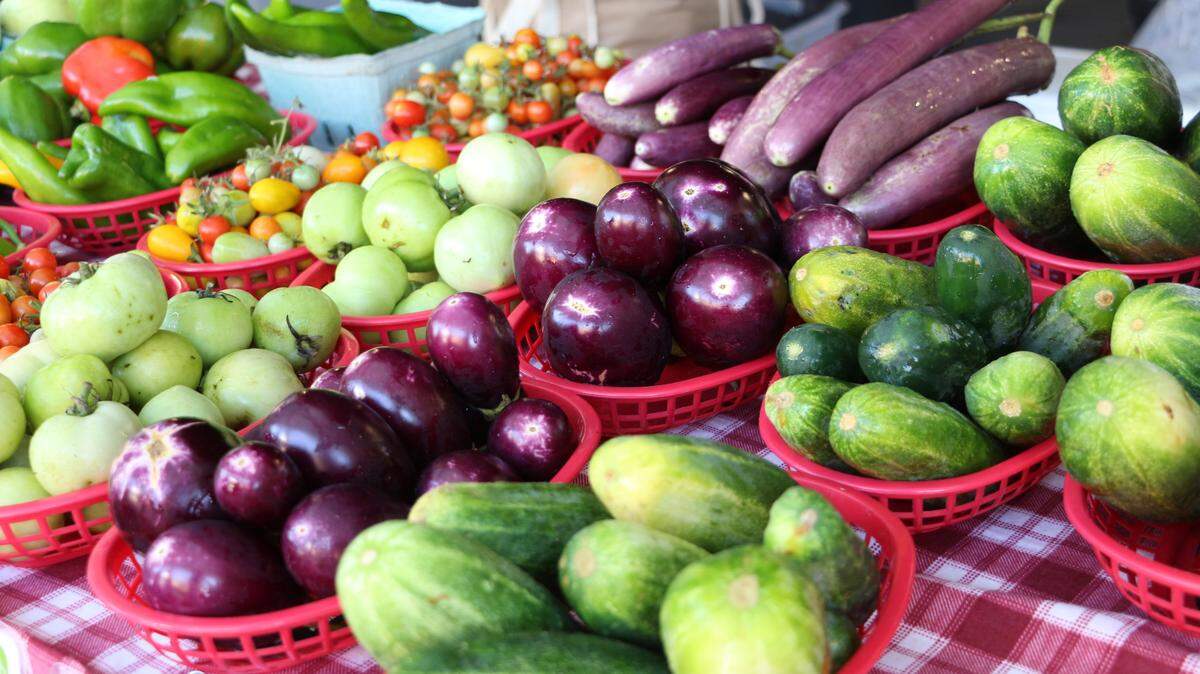
What does the definition of clean mean in terms of produce? Depending on your definition, the meaning can vary.
For many people, clean food implies it was washed prior to eating. Dirt or chemicals on fruits and vegetables makes them less appealing.
Times change, and so has the definition. Clean food may mean eating simply the way nature intended with no additives like sugars, fats or oils. Once refined and processed, fruits and vegetables lose their nutritional value.
Clean food can mean eating only organically grown produce, avoiding food produced with chemical sprays. However, this definition is more problematic than the definition suggests.
It gets sticky when you try to define organically grown. USDA and other agencies have approved the use of organic pesticides on produce. A pesticide can be insecticides, fungicides and herbicides helping to control pests.
Organic means the ingredient designed to control is derived naturally. Typically, the control is made from the extracts of plants or naturally occurring minerals. We think because it is organic, it is safer than chemical pesticides.
Made from long chemical chains, these chemical pesticides are developed to kill a pest. Conventional thinking is because they are not natural, they are more harmful. Chemically treated produce wouldn’t be considered clean, while those organically grown could be.
Some organic and natural pesticides are more dangerous or poisonous than those created in a lab. The potential harm is determined by many factors such as how quickly it breaks down, how it is absorbed, and how it works.
Even though the pesticide is labeled as organic, it still has the same ability to kill the beneficial insects as chemicals. When it comes to organic versus chemical, it is a personal perception.
People think organically grown produce has not been treated with a pesticide. Organic controls are registered pesticides and regulated. Many organically grown foods are sprayed with more control than those sprayed with chemicals. The reason is some organic pesticides have a short residual, requiring retreating and more frequent applications.
Clean food should really be defined as pesticide-free, meaning it has not been treated with any product natural or chemical. Rarely in the markets do you see the verbiage pesticide-free. This is the advantage of growing your own fruits and vegetables as you know what has been applied.
Home gardeners who want to eat clean search for all sorts of natural products to avoid chemicals. They reach for household products such as dish soap, vinegar, and baking soda to avoid the use of pesticides.
Unfortunately, these so-called remedies have not always been tested. Where on the bottle of dish soap is there a recommendation for use on plants? Most say do not consume. If you read the ingredients, there is nothing natural in the bottle. These home remedies should be used with extreme caution no matter what is shared on social media.
Think through your definition of clean to make wise decisions when purchasing or growing produce. Reconsider reaching into the pantry for a solution. Cleaning and pantry items may be suitable for cleaning, but that does not translate to what you eat.
Dennis Patton is a horticulture agent with Kansas State University Research and Extension. Have a question for him or other university extension experts? Email them to garden.help@jocogov.org.
This story was originally published August 6, 2021 at 5:00 AM.