
Starting seeds indoors will help gardeners get through winter. Lighting is the trick
In the dead of winter, gardeners anxiously wait for signs of spring. Social media groups are full of chatter about winter activities before the warm weather arrives. The most popular topic is seed starting.
Growing your own transplants for the garden offers some advantages. Primarily, you select the varieties for your needs and have them available on your schedule. Starting seeds indoors is also a great way to banish the winter blues.
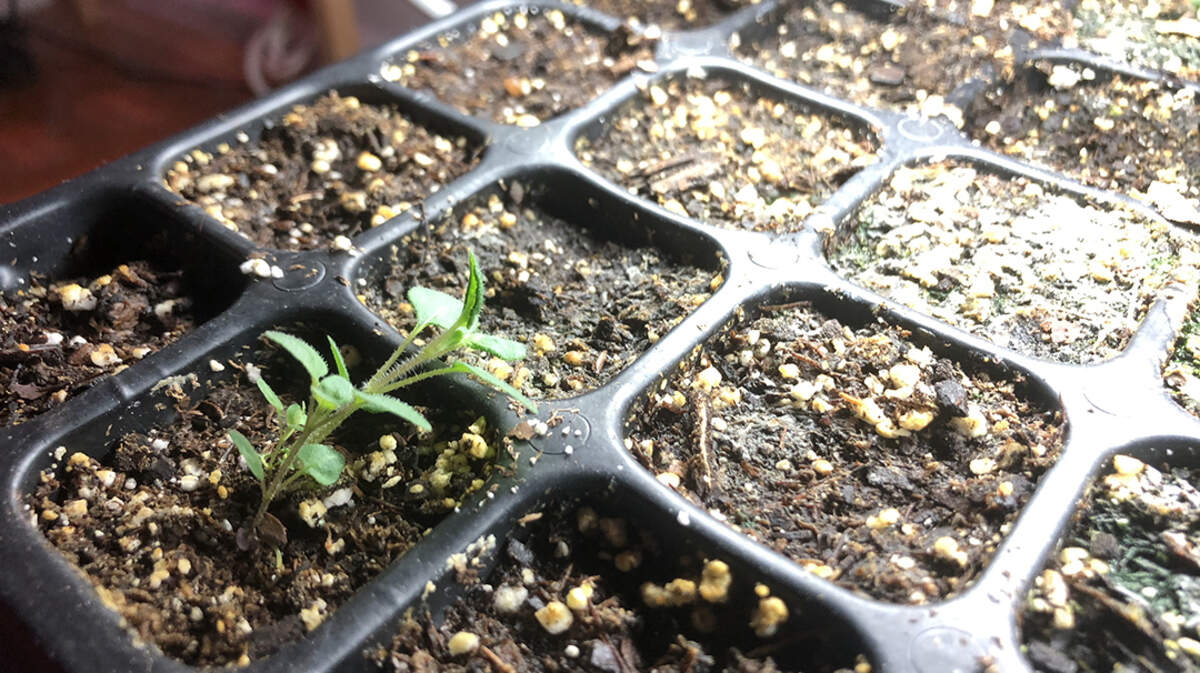
We have all experienced starting plants on a sunny windowsill. The results are usually less than stellar. Plants tend to be leggy, stretching for the sunlight. Even the brightest south or west window can’t provide the intensity and duration of light needed to produce a strong and stocky plant.
Avid seed starters use artificial lighting, which mimics bright sunlight. Gardeners set up lighting systems, often in the basement or garage, to produce a wide range of flower and vegetable transplants. The traditional setup uses relatively inexpensive shop light fixtures and fluorescent tube lights.
Shop lights, or T12 bulbs, are 4 feet in length. When multiple fixtures are hung, they readily provide enough light for several seedling flats and support several hundred plants.
The trick to success is to ensure the lights are close enough to the plant, within a few inches, and on for at least 16 hours per day. When using this method, most plants are ready for the garden in about 8 weeks.
The downside to these bulbs is they also produce heat and are not energy efficiency. New, highly efficient and smaller bulbs, T5s, are available on the market, but the fixtures and bulbs are more expensive.
Many gardeners question the cost for a few weeks of use. Fluorescent lights, no matter the style, are sufficient for transplants.
LEDs, light emitting diodes, are now the rage for starting seeds. LEDs have several advantages for seed starting. They are energy efficient, low heat-producing, and come in a variety of styles. They fit standard fixtures and produce a full spectrum of extremely high-quality light, resulting in a healthy transplant.
The drawback is they can be expensive. But they are long-lasting, having a lifespan two to four times that of fluorescent tubes. Over time, they may be just as cost-effective.
The choices of LED bulbs is overwhelming and confusing, especially when shopping online. You will find various sizes, shapes and light spectrum.
They can be designed to produce a full range of light or programmed to produce more of the blue or red spectrum of light to more closely mimic sunlight. The light spectrum is essential, especially when developing flowers or fruit, but not as important for transplants.
Growing transplants for setting out in the garden is a vegetative phase. Light is important, but mainly it is intensity and duration that is needed more than color spectrum for transplants.
LED lights offer many advantages, but fluorescent shop lights are effective. What is a gardener to do? LED or fluorescent? The answer is simple. Do what makes you happy.
Gardening is a fun activity for many and starting transplants can bring joy during the cold winter months. The bottom line is you cannot go wrong.
Dennis Patton is a horticulture agent with Kansas State University Research and Extension. Have a question for him or other university extension experts? Email them to garden.help@jocogov.org.
This story was originally published January 27, 2021 at 5:00 AM.