
Do your houseplants have the blues? Take these simple steps to cheer them up
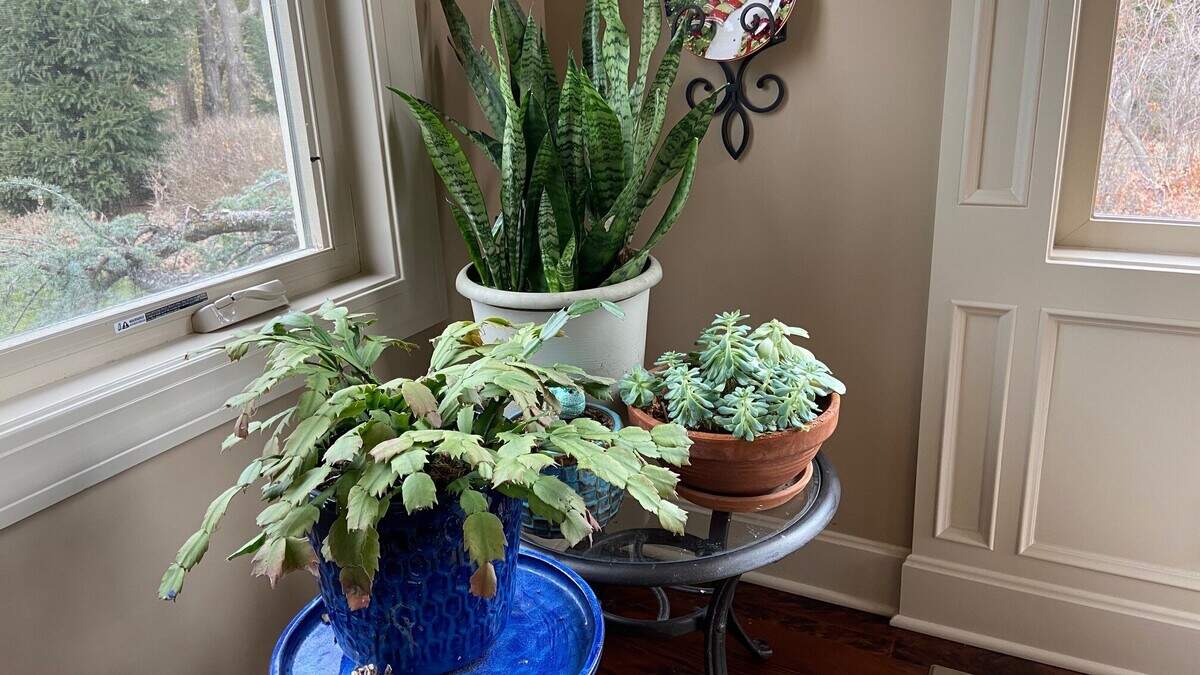
The sales of houseplants are on the rise. One segment of the market is millennials who are discovering the joy of caring for plants. It also seems that everyone is looking to brighten spirits during this pandemic.
For indoor plants, the winter season is harsh. Research suggests the average plant lasts around a year before meeting its demise. Knowing a few tips could help your plant beat these odds.
The lighter, the better
Many houseplants are cultivated in Florida or other tropical locations. They start off outdoors or in sheltered greenhouses under very high light conditions.
The more light that is available, the faster the plant grows and the less expensive the production cost. Your reward is a more affordable plant, but one that is accustomed to high light.
The average home in Kansas City has low light levels. Even a direct south or west window is no match for the high light levels during production. This results in slow, declining growth, often resulting in leaf yellowing. Generally, the plant produces a new leaf and drops the lower, older leaf. The outcome is a leggy, leafless stock.
The new plant looks great for the first six to nine months as it lives on stored food reserves. Once the reserves are depleted, the growth slows, and leaf drop starts.
The trick is to minimize the depletion of energy and help the plant start producing. I don’t think you can give a houseplant too much light. Place the plants close to the sunniest window even if the tag says low light.
A word of caution:Under most windows is the heat vent. Avoid the hot, dry air blowing on the plant as most are tropical and prefer a humid climate. Dry air causes browning of the leaf margins and tips.
Watch the water
Besides low light, the other primary killer of houseplants is overwatering. It is best to let the plants dry out slightly between watering. Add just enough water, so some runs out of the drainage hole.
Every pot must have a drain hole. Never let the plant sit in standing water as it draws the water back into the soil, resulting in root rots.
The amount of water should decrease during the winter months. Even though the home air is drier, the plant processes have slowed due to the winter’s low light levels.
Stop feeding
During the winter months, the goal is to keep the plant alive, not necessarily expect it to flourish. Fertilization during the low light of winter forces growth, using up the valuable stored food. This will culminate in leaf drop or declining growth.
Stop fertilizing around September and withhold additional fertilization until March, when increased length and intensity of sunlight is available.
Even with the best intentions, people can bring an early demise to their houseplant. During the winter, you cannot go wrong with more sunlight, less water and no fertilizer. Following these tips, your plant just might beat the odds and bring you joy year after year.
Dennis Patton is a horticulture agent with Kansas State University Research and Extension. Have a question for him or other university extension experts? Email them to garden.help@jocogov.org.
This story was originally published December 21, 2020 at 5:00 AM.