
What did and didn’t work in your garden? Take notes now, long before spring arrives
As the growing season comes to an end in Kansas City, I am taking stock this fall of what was a hit or a miss in the garden. This helps me remember what worked well and what I do not want to repeat in 2021. Here are my thoughts and recommendations for the year that I discovered from my time in the garden.
Best annual bed combination
Our Extension Master Gardeners created an annual planting of heliotrope and euphorbia. It was a stunning combination of purple and white, fitting for our affiliation to Kansas State University.
Heliotrope produces clusters of small purple blooms and gives off a light vanilla scent during the cool of the fall. The feathery white flowers of euphorbia mixed with the purple flowers really made the combination pop.
Euphorbia is suited for full sun and is heat tolerant. This combination works well in a container or a larger bed.
Best new garden addition
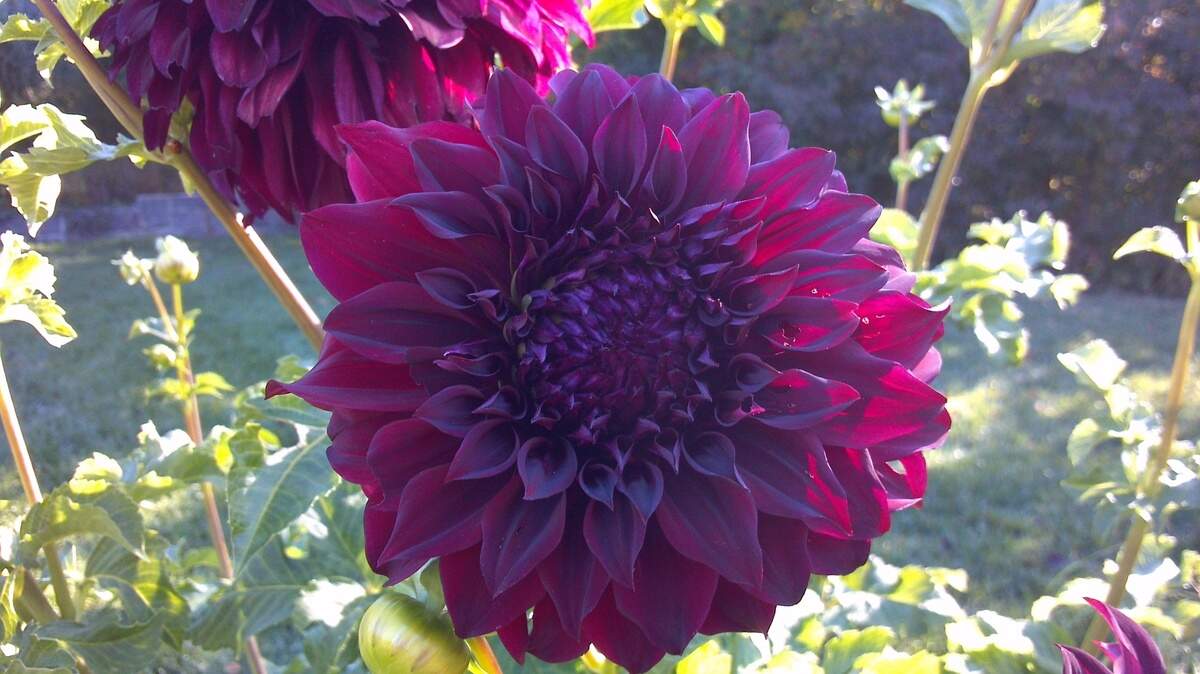
I have always marveled at the dinner plate-sized dahlias. How can something grow that big and be so beautiful? It has been years since I grew them. Thanks to the suggestion of an Extension Master Gardener volunteer, dahlias graced my own garden and our demonstration gardens.
Dahlias are a tender tuber planted after the danger of frost. I must admit, they do need a little more care than typical annuals or perennials. The plants are brittle and must be caged, staked or supported.
Removing side buds is suggested to achieve the larger-than-life flowers. Dahlias make excellent cut flowers, which I took advantage of throughout my home. The one drawback is the bloom time arrives later in the growing season.
Best shrub of the year
It is difficult to narrow down to just one star shrub for the landscape. However, this year it was easy. Zinfin Doll panicle hydrangea stood out from the other shrubs in the garden.
Panicle hydrangeas are one of the easiest groups of plants to grow. Since they flower on new wood, pruning in the early spring is best. Then sit back and wait for the floral show to begin.
I like Zinfin Doll because it starts to flower in mid-July and is still shining after the first frost. Large, white cone-shaped flowers cover the plant.
As they age and with cooler temperatures, the white changes to a pink blush providing a new look. With proper pruning and even moisture, the plant tops out at around 3 feet.
Not to repeat again
I include tropical milkweed in my garden as it is the first choice of monarchs. Tropical milkweed is a tall, lanky plant, serving a purpose but not prized for form. The foliage is devoured by the munching monarchs, leaving behind a straggly plant.
My mistake was including it in mixed containers on the patio. I enjoyed seeing the monarch larvae, but my containers lacked that overall cohesive pleasing effect.
The milkweed looked out of place as it does not play nice with other plants. Tropical milkweed will make a return but not in a mixed container.
Taking stock of what did or didn’t work helps in garden planning. Making a few notes now will keep your memory fresh as the gardening urge starts up again come spring.
Dennis Patton is a horticulture agent with Kansas State University Research and Extension. Have a question for him or other university extension experts? Email them to garden.help@jocogov.org.