
From showy to inconspicuous, this variety of hydrangea is a summer show-stopper
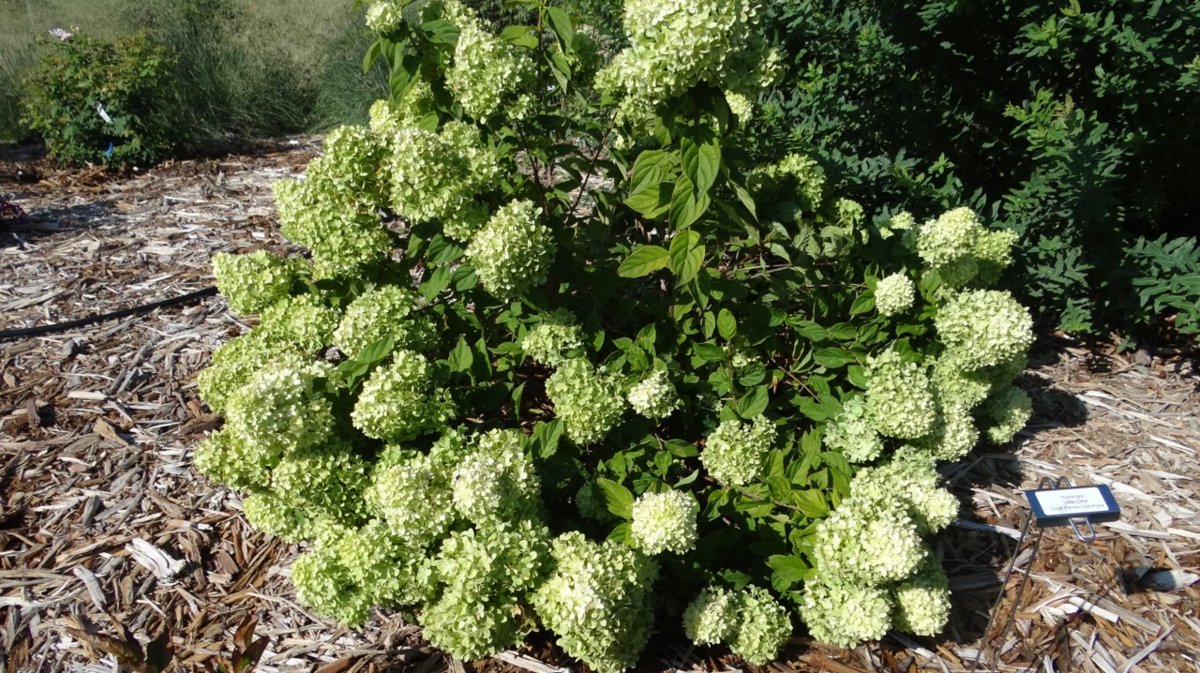
Being a horticulturist, it should not come as a surprise that I like flowers. Spring and early summer bring a beautiful swath of bloom color. Then the summer heat arrives and the flower power weans.
There are a few plants that put on a summer show despite the hot weather. Hydrangea paniculate, or panicle hydrangeas, is one of the stars from late July and into the fall.
Panicle hydrangeas are one of five species of hydrangea that grow in the Kansas City area. They are unique because of their summer flowering. Panicle hydrangeas light up the landscape in our area with traditional white flowers, often fading to soft pink. White flowers may not be your cup of tea, but white stands out in the garden more than just about any flower color.
Unlike their fussy cousin’s Hydrangea macrophylla, the bigleaf hydrangea that blooms pink or blue, this species is quite easy to grow. The plant does best in full to part-sun locations. Big flowers occur as a result of abundant spring and summer sunshine. Shady sites result in smaller flowers and weaker stems.
Of all the hydrangea species, these are the most drought tolerant. The best flowers and strongest plants happen with ample moisture. Plants stressed by drought may not bloom, or the show is less spectacular. They loved all the spring rains in the Kansas City area this year, and as a result, the robust plants are producing loads of big flowers.
If given ample sunshine and water, you can depend on panicle hydrangeas for prolific flowering as they bloom on new wood. There are no worries of winter-killed flower buds with this species.
Prune this plant each spring as buds start to grow. When left unpruned, many varieties can reach 6 feet or more in height. These larger, less pruned plants still produce flowers, but each flower head is smaller, about the size of a baseball or softball.
I suggest pruning the plant harder by cutting the entire bush back to a couple of feet from the ground. This results in strong branching with a cone-shaped flower head. Under proper conditions, these flower heads can be the size of a football.
Besides the shrub form, panicle hydrangeas are grown as standards. A standard is a small tree form about 6 feet tall. The standards add interest and fit into many compact spots in the landscape.
The original panicle hydrangea was a variety called Pee Wee. It can still be found on the market, but newer varieties have sturdier stems and improved flowering. The variety Limelight started the panicle revolution. There are varieties on the market ranging in height from a few feet to 6 feet or more.
Some of my favorite varieties include Quick Fire, flowering about a month ahead of other varieties. Tardiva, Pinky Winky, Zinfen Doll, Vanilla Strawberry are a few of the charming larger plants. Shorter varieties include Little Quick Fire, Little Lime, Little Lamb and Bobo topping out at 2 feet.
Flower heads can either be full of showy sterile flowers and less conspicuous fertile flowers. The fertile flowers are a favorite of native pollinators. Be on the lookout in the coming weeks as this plant comes into bloom. You will want to make room in your garden for this summer showstopper.
Dennis Patton is a horticulture agent with Kansas State University Research and Extension. Have a question for him or other university extension experts? Email them to garden.help@jocogov.org.