
Cool, wet May made for unhappy tomato plants. Take steps to help them bear fruit
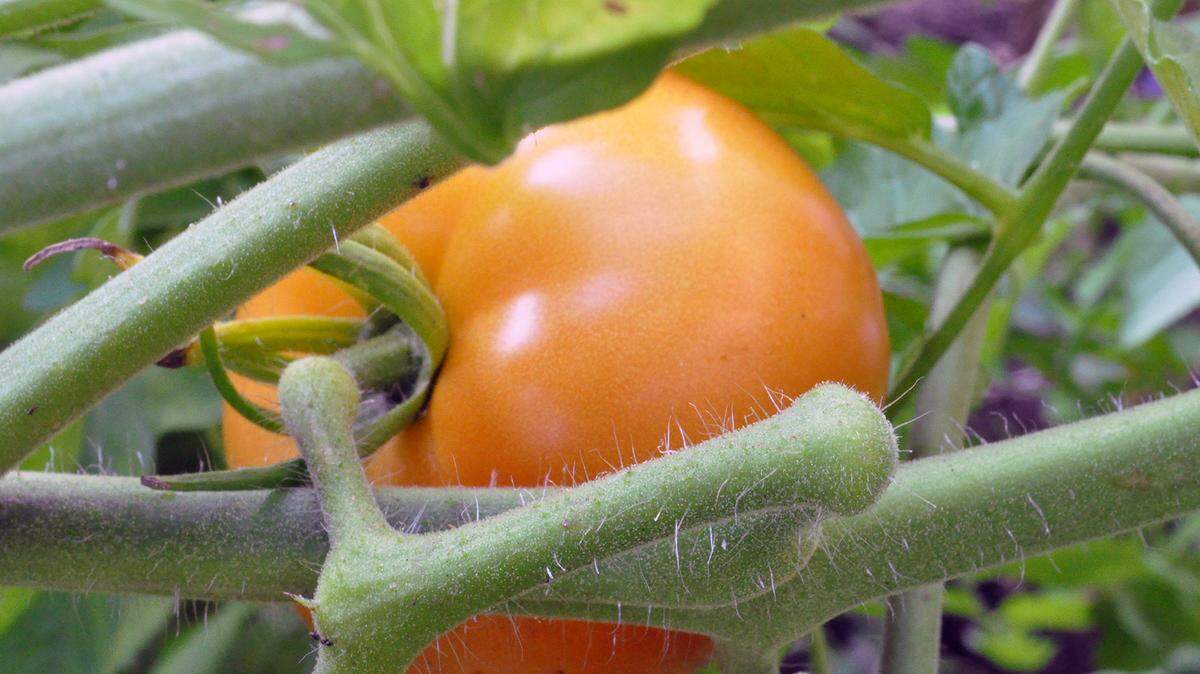
Picking the first red ripe tomato of the season is an event worth celebrating. The fresh home-grown taste can not be beaten. Add a little salt or a strip of bacon and it tastes like summer. Unfortunately, the growing conditions this year have been a challenge to us all.
The ideal time to plant tomatoes is around Mother’s Day as the soils have warmed for quick establishment. This year May proved to be wet and cool. Under cool soil conditions, our warm-loving tomatoes labored to develop a robust root system to support plant growth for the rest of the season.
Then June arrived and so did the heat. Tomato plants lacked ample roots because of the cool May temperatures and the plants struggled to cope. Limited root development left the plants frail, producing fewer flowers and fruit set. Ideally, the early June fruit set would produce the first ripe tomato around July 4.
May rains also provided the perfect conditions for the development of leaf disease. Septoria leaf spot is common, resulting in black spots and yellowing of the lower foliage.
Septoria damage reduces healthy foliage, which reduces the plant’s ability to produce energy to support the growing vine and developing fruit. Once Septoria sets in, control is difficult.
Cultural practices such as removing the lower foliage, mulching, increasing air movement and avoiding overhead watering may help suppress this disease. If these practices don’t offer improvement, fungicide treatments may be required.
Chlorothalonil, sometimes sold as Daconil, is the fungicide of choice. There is not a good organic fungicide option available.
June and July temperatures are also taking a toll on the growth. Tomatoes flower throughout the summer, providing fruit up until the first frost.
Tomato plants typically go through a process of flowering, waiting about a month for the fruit to ripen and then consuming. Really, it is not that simple when weather patterns do not cooperate. Tomatoes have specific requirements for pollination.
Tomatoes do not properly pollinate when the daytime temperatures hover around 95 degrees or when nighttime temps are 75 degrees or above. The problem is under extreme heat, the tomato plant produces less pollen. Hot winds quickly dry the pollen grain. By the time it reaches the flower, it is no longer viable to complete the fertilization process. The result is no fruit set.
I know this is upsetting news about our favorite garden vegetable. Like farmers, hobbyist backyard gardeners must also endure the wrath of Mother Nature. So, what can we do to increase the yield this season?
No matter the potential outcome, continue to provide proper care. Timely watering is essential. Uneven moisture places additional stress on the plant. Deeply soak the root system once to twice a week.
Reduce disease spread by watering at the base of the plant. If you must overhead water, do so in the morning to allow enough time for the foliage to dry before sunset.
Mulch with straw or a thin layer of wood chips to cool the soil under summer conditions. This also conserves moisture and reduces disease spread. Treat for the foliar diseases. Lastly, say a little prayer that all the hard work will pay off.
To all those new gardeners, don’t give up. While discouraging, these challenges are part of the joy of gardening as each fruit that is harvested is a moment to be celebrated.
Dennis Patton is a horticulture agent with Kansas State University Research and Extension. Have a question for him or other university extension experts? Email them to garden.help@jocogov.org.