
From apples to berries, enjoy the fruits of your labor by pruning trees and bushes
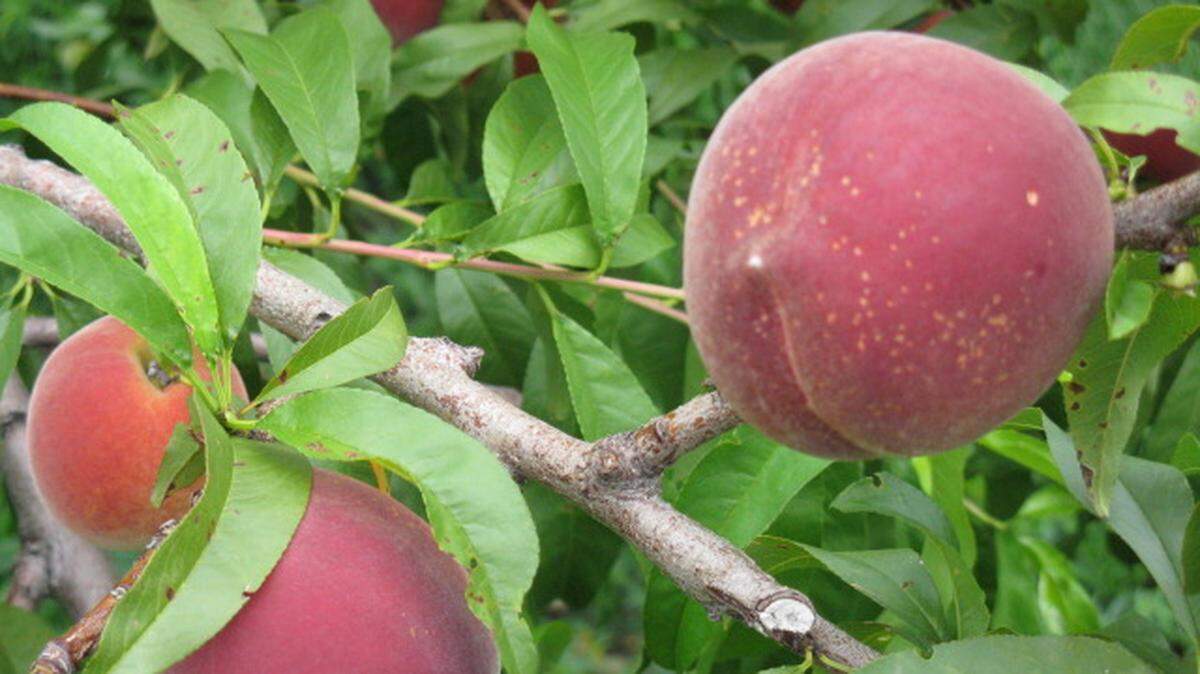
There is a resurgence among homeowners to grow fresh fruit in suburban backyards, in addition to vegetable gardening. The sale of apples, peaches, pears and other fruit trees are on the rise, as well as the renewed interest in the small fruits like strawberries, raspberries, blackberries and blueberries.
It is challenging to grow fruit in the Kansas City area. Fruit plantings require care throughout the growing season and for the lifetime of the plant. If proper care is not given, the tree and berry plants become overgrown, increasing disease and insect problems. The decline leads to reduced yields or death of the plants.
Yearly pruning is required for all fruit trees and small fruits before the plants break dormancy. Late winter is the best time to care for fruit trees.
Pruning removes excess wood from the trees, allowing sunlight to penetrate into the plant. The additional sunlight is key to developing the size and flavor in the fruit. Small fruits like blackberries and raspberries are sometimes full of deadwood due to their fruiting habit. Strawberry plantings are seldom thinned by home gardeners, which lead to overcrowding, decline and little fruit.
The lack of pruning results in an overgrown tree and poor fruit production. Start by removing any dead, broken or crossing branches growing toward the center of the tree. This step alone will improve the health and allow the sunlight to penetrate. Do not prune more than one-third of the healthy wood from a tree in any one year. Heavy pruning can stress the plant, causing it to die or produce sucker growth that must be removed.
The next pruning cuts open up the tree for more light by removing small, competing branches in the tree. Learning to prune takes a little practice. There are many reference guides online to help teach and illustrate the art of pruning. Each tree species has slightly different requirements for the best growth.
Bramble, raspberry and blackberry pruning starts by removing the old fruiting canes that are dead. During the winter months, this might be the extent of pruning. The live canes have set flower buds to produce this year’s crop. Much of the pruning for improved yields is done during the growing season.
Strawberries emerge from dormancy and flower mid to late spring to produce the berries for harvest. Renovate strawberry beds after fruiting to renew the bed for the following year. Unfortunately, strawberry plantings are short lived, lasting maybe less than five years. At that point, it is best to replant with healthy new plants.
Be brave and take advantage of warm winter days to start the pruning process. You will only learn by doing and putting it off will only hurt your investment. The more overgrown the trees and plantings become, the more difficult it will be to tackle the process. Proper pruning is one of the best ways to help ensure you can enjoy the fruits of labor.
Dennis Patton is a horticulture agent with Kansas State University Research and Extension. Have a question for him or other university extension experts? Email them to garden.help@jocogov.org.